 Malaysia
 Singapore
 Thailand

Sashimi is just sashimi right? Wrong. You never really know how many different animals can be eaten raw until you’ve truly explored the rabbit hole that is the sashimi realm.
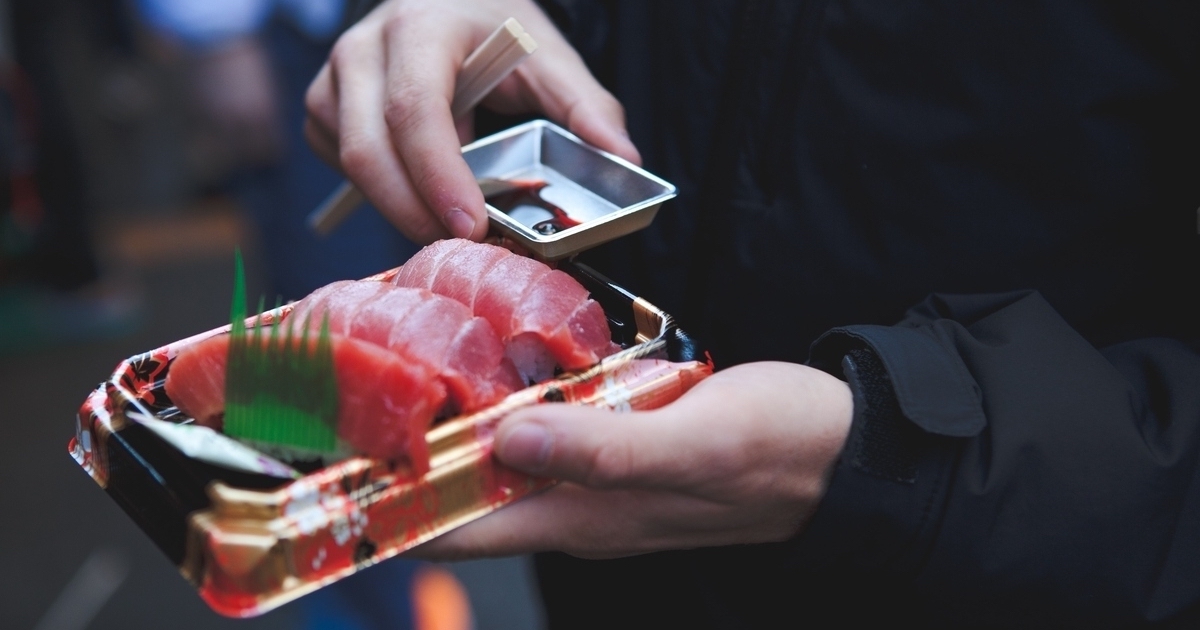
Just like steaks, there is similarly a myriad of cuts when it comes to sashimi, even within the same fish. So sit tight through this listicle of 9 cuts of tuna sashimi—you’re going to need it for your next omakase trip.
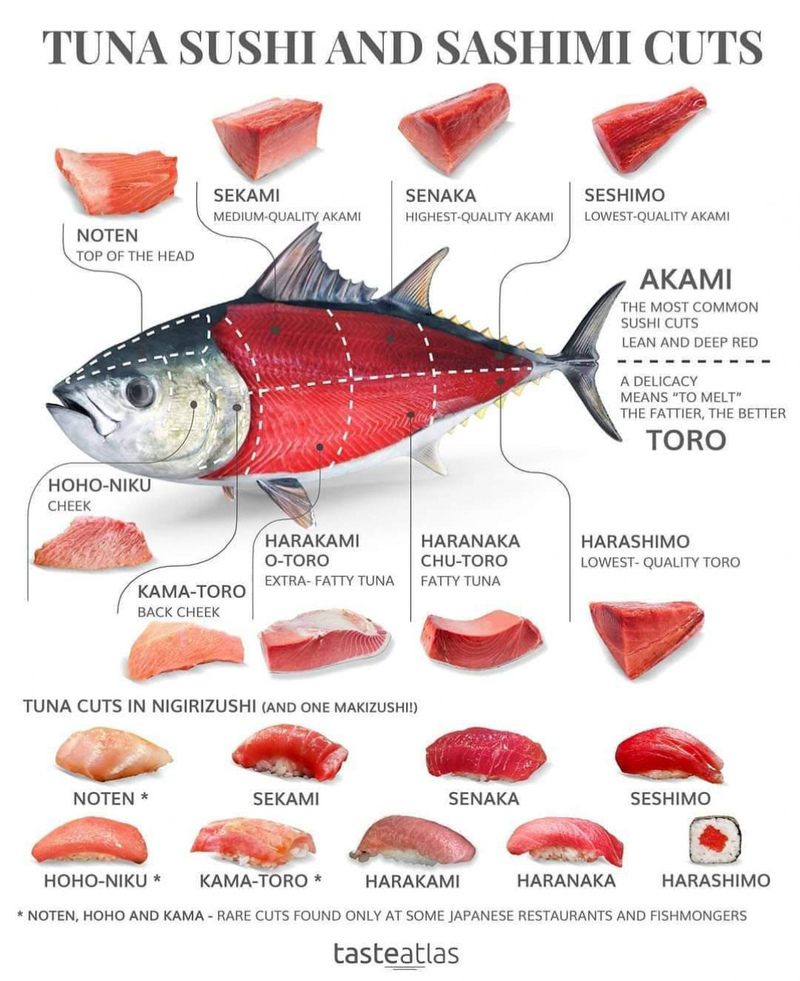
1. Noten (Top of the head)
What it is:
Let’s start from the head, shall we? Noten is the light pink cut just above the tuna’s head and is considered a very rare cut found only in selected restaurants.
What makes it unique:
It’s rare because only about 200g of it is found in each fish. It tastes similar to chu-toro (medium fatty tuna) in taste, except that it contains more tendons.
2. Hoho-Niku (Cheek)
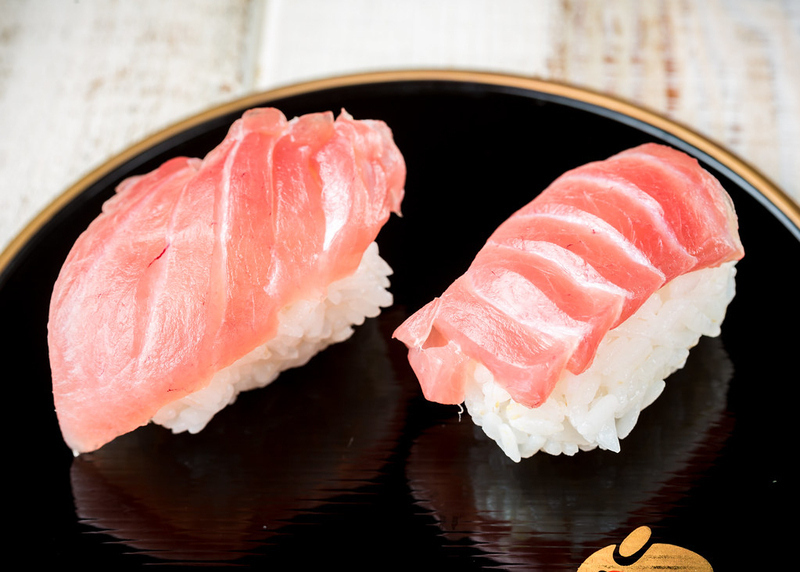
What it is:
Most meat eaters will know that the cheeks are probably one of the best, most marbled parts of an animal. And that’s exactly what hoho-niku is.
What makes it unique:
Aside from being eaten as sashimi, the hoho-niku cut is often rolled and served in gunkan form.
3. Kama-toro (Back cheek)
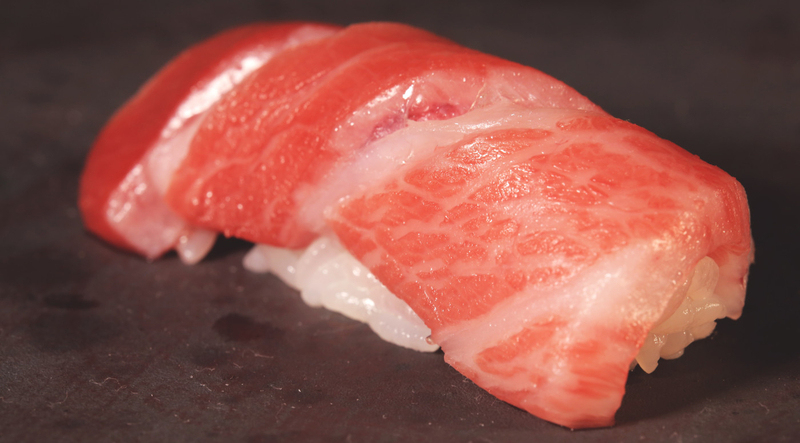
What it is:
Kama-taro is the first to be mentioned of the toro group—the tuna’s fatty region, translating to “to melt”—and refers to the back cheek of the tuna, located near the aforementioned hoho-niku.
What makes it unique:
There are no veins in the kama-toro cut, making the meat soft and highly marbled. It is said to possess an unparalleled balance of fat and sweetness and is highly coveted for its melt-in-your-mouth qualities.
4. Harakami-otoro (Extra fatty)
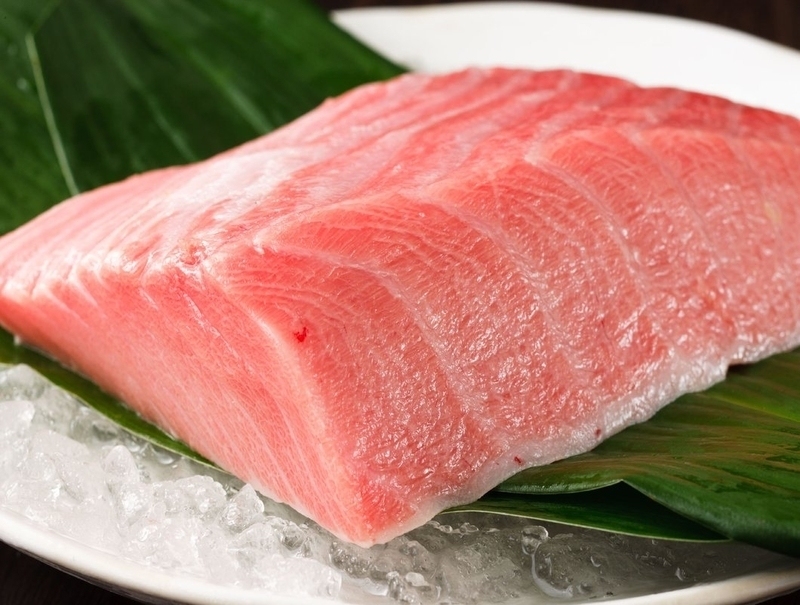
What it is:
The fattier of the two toro cuts, harakami-otoro is located along the tuna’s abdomen near its gills.
What makes it unique:
Highly marbled, harakami-otoro is one of the more popular luxury cuts because of its delicious oily lines and high-fat content.
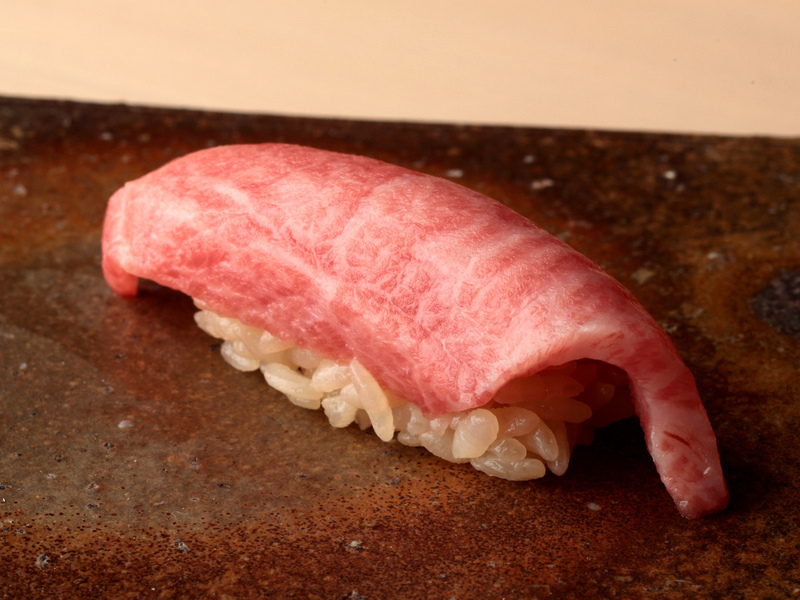
5. Haranaka-chutoro (fatty)

What it is:
Apart from otoro, chutoro is another cut that many sashimi fiends will be well-acquainted with. Haranaka-chutoro is loosely defined as the lower belly area of a tuna.
What makes it unique:
Haranaka-chutoro straddles between both otoro and akami, possessing the perfect blend of fatty and meaty. It’s closest to getting the best of both worlds when it comes to tuna sashimi cuts, making chutoro so inoffensive and palatable to many.
6. Harashimo (least superior toro)
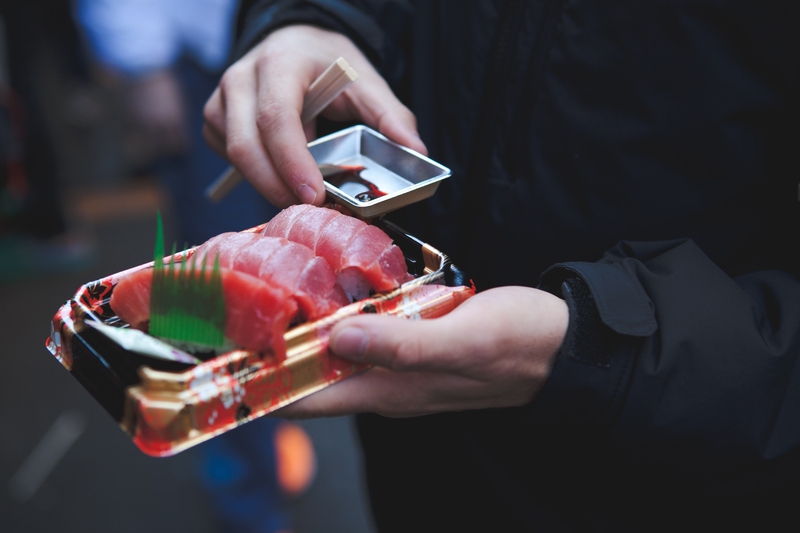
What it is:
Located close to the tuna’s fin, harashimo is considered to be the lowest quality toro. This area is cut from the lower abdomen of the tuna and is only semi-fatty.
What makes it unique:
The harashimo cut is very tendon-heavy and is considered to be of moderate quality, at best.
7. Sekami (medium-quality akami)

What it is:
Moving on to the akami group—the leaner and redder parts of the tuna—sekami is located along the fish’s upper back, behind the head.
What makes it unique:
The epitome of mediocre, sekami yields medium-quality akami tuna because of its average fat content, as well as redness.
8. Senaka (highest-quality akami)
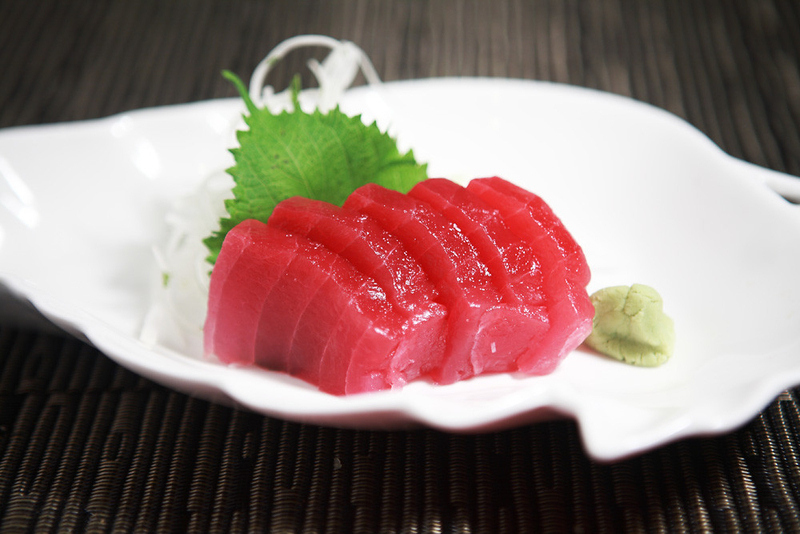
What it is:
Senaka is the middle portion of the tuna’s back, and presents the highest quality of akami out of the three cuts.
What makes it unique:
It is a combination of fatty and fibrous red meat, in other words, somewhat fine-grade but with a smidge of standard-grade meat in the mix.
9. Seshimo (lowest-quality akami)

What it is:
If you’ve ever felt unwanted, think about how the seshimo cut feels. Referred to as the lowest quality of akami, seshimo comes from the fibrous meat found in the tuna’s lower back.
What makes it unique:
What makes it unique is literally how inferior it is. Deep red in colour, seshimo has very little fat content, and many fibres—the exact opposite of what diners typically seek in tuna sashimi. Because of this, seshimo is often rolled and served in a maki or hand roll instead.
Other articles you might like:
Produce explained: 7 cuts of lamb to familiarise yourself with
Vibe while you dine at Zouk’s pop-up omakase by Chef Ryoichi Nakatani