 Malaysia
 Singapore
 Thailand

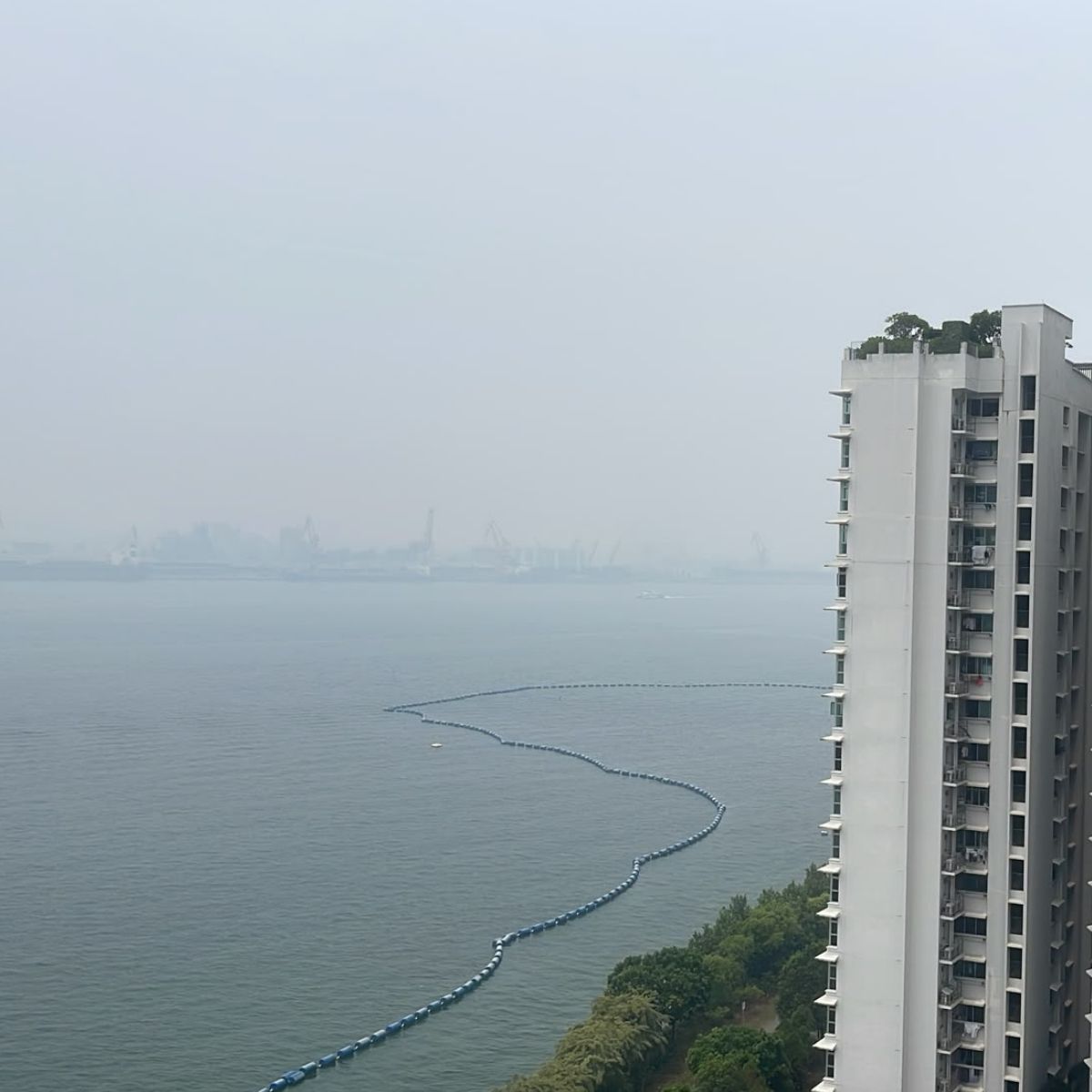
Haze… a yearly affair which plagues us. Knowing how to read Singapore’s Pollutant Standards Index (PSI) can help you to make informed decisions about your day, be it for your daily exercise or outings. However, there’s more to protection against haze than just understanding the PSI; we’ve also included the dos and don’ts, as well as practical ways to haze-proof your home.
1. What PSI stands for, and how you read it
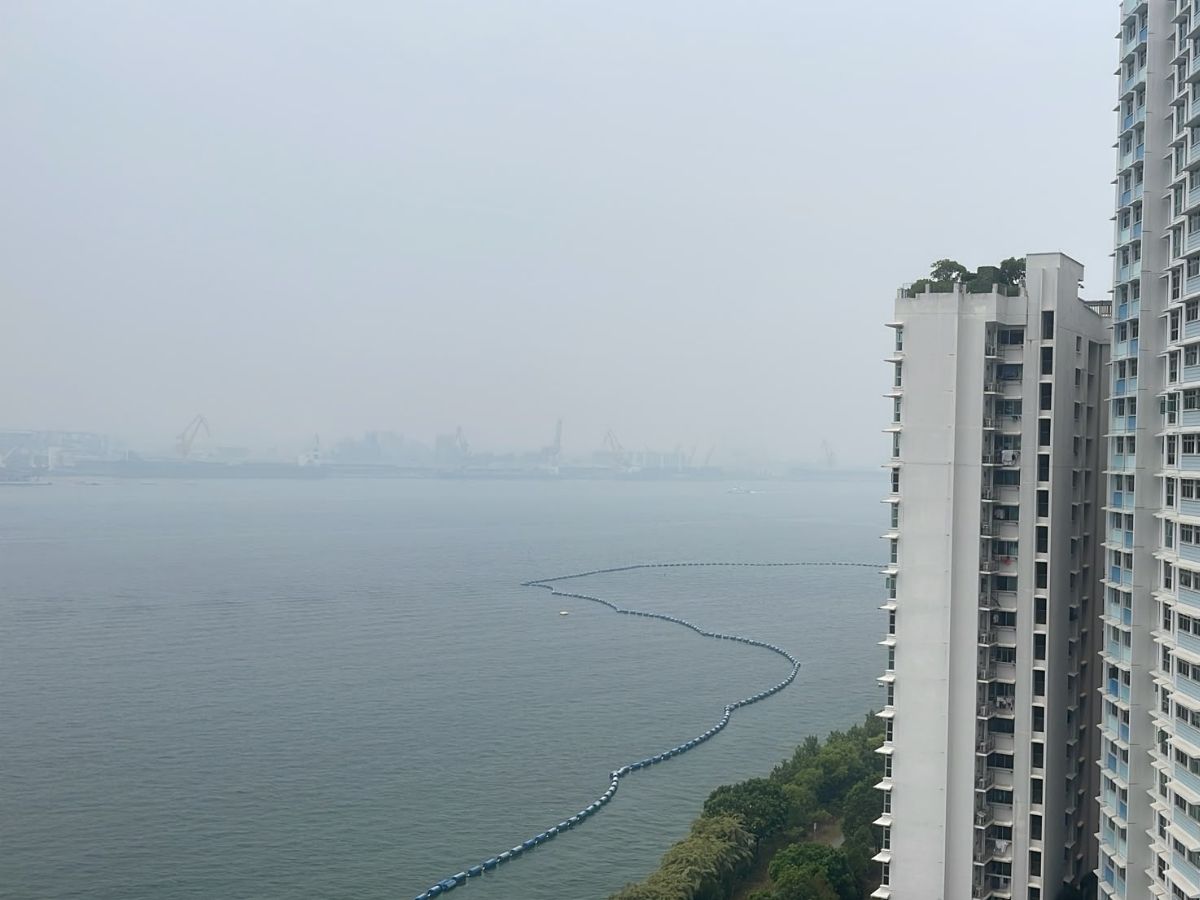
PSI stands for Pollutant Standards Index, and it is a type of air quality index used in Singapore, to indicate the level of air pollutants. It takes into account 6 different air pollutants: sulphur dioxide (SO2), particulate matter (PM10), fine particulate matter (PM2.5), nitrogen dioxide (NO2), carbon monoxide (CO) and ozone (O3). During the haze season, PM2.5 is the most significant pollutant.
The National Environment Agency (NEA) publishes 2 types of readings, with different suitability for your plans. The first is the 24-hour PSI forecast meant for planning next-day activities. The other is the 1-hour PM2.5 reading meant for planning immediate outdoor activities. It is especially imperative for vulnerable persons, including the elderly, pregnant women, children, and persons with chronic lung or heart diseases, to minimise their exposure to unhealthy air.
Difference between 1-hour PM2.5 reading and 24-hour PSI forecast
| Reading | Use this for | What it measures |
| 1-hour PM2.5 reading | Immediate outdoor activities, such as daily runs. | The 1-hour PM2.5 concentration reflects the current air quality, with PM2.5 levels averaged over 1 hour. It is separated into 4 Bands, ranging from normal to very high. |
| 24-hour PSI forecast | Planning next day activities. | The 24-hour PSI forecast reflects the daily average of the aforementioned 6 pollutants.
It ranges from 0 – 50 (good), 51 – 100 (moderate), 101 – 200 (unhealthy), 201 – 300 (very unhealthy) to >300 (hazardous) |
Source: National Environment Agency & HealthHub
1-hour PM2.5 reading guide & actions to take
| Band | PM2.5 concentration | Recommended action | Advice for vulnerable persons |
| Band 1 (Normal) | 0–55 µg/m³ | Continue with normal activities. | N/A |
| Band 2 (Elevated) | 56–150 µg/m³ | Reduce strenuous outdoor activity for the next hour. | Avoid strenuous outdoor activity for the next hour. |
| Band 3 (High) | 151–250 µg/m³ | Avoid strenuous outdoor activity for the next hour. | Avoid all outdoor activity for the next hour. |
| Band 4 (Very High) | ≥251 µg/m³ | Minimise all outdoor activity for the next hour. | Avoid all outdoor activity for the next hour. |
Source: National Environment Agency & HealthHub
24-hour PSI forecast guide & actions to take
| Group | Good (0–50) | Moderate (51–100) | Unhealthy (101–200) | Very Unhealthy (201–300) | Hazardous (>300) |
| Healthy Persons | Normal activities | Normal activities | Reduce prolonged or strenuous outdoor physical exertion | Avoid prolonged or strenuous outdoor physical exertion | Minimise outdoor activity |
| Elderly, Pregnant Women, Children | Normal activities | Normal activities | Minimise prolonged or strenuous outdoor physical exertion | Minimise outdoor activity | Avoid outdoor activity |
| Persons with Chronic Lung Disease, Heart Disease | Normal activities | Normal activities | Avoid prolonged or strenuous outdoor physical exertion | Avoid outdoor activity | Avoid outdoor activity |
Source: National Environment Agency & HealthHub
Note: Prolonged – continuous exposure for several hours; Strenuous – involving a lot of energy or effort; Reduce – do less; Minimise – do as little as possible; Avoid – do not do.
2. Dos and Don’ts during haze season
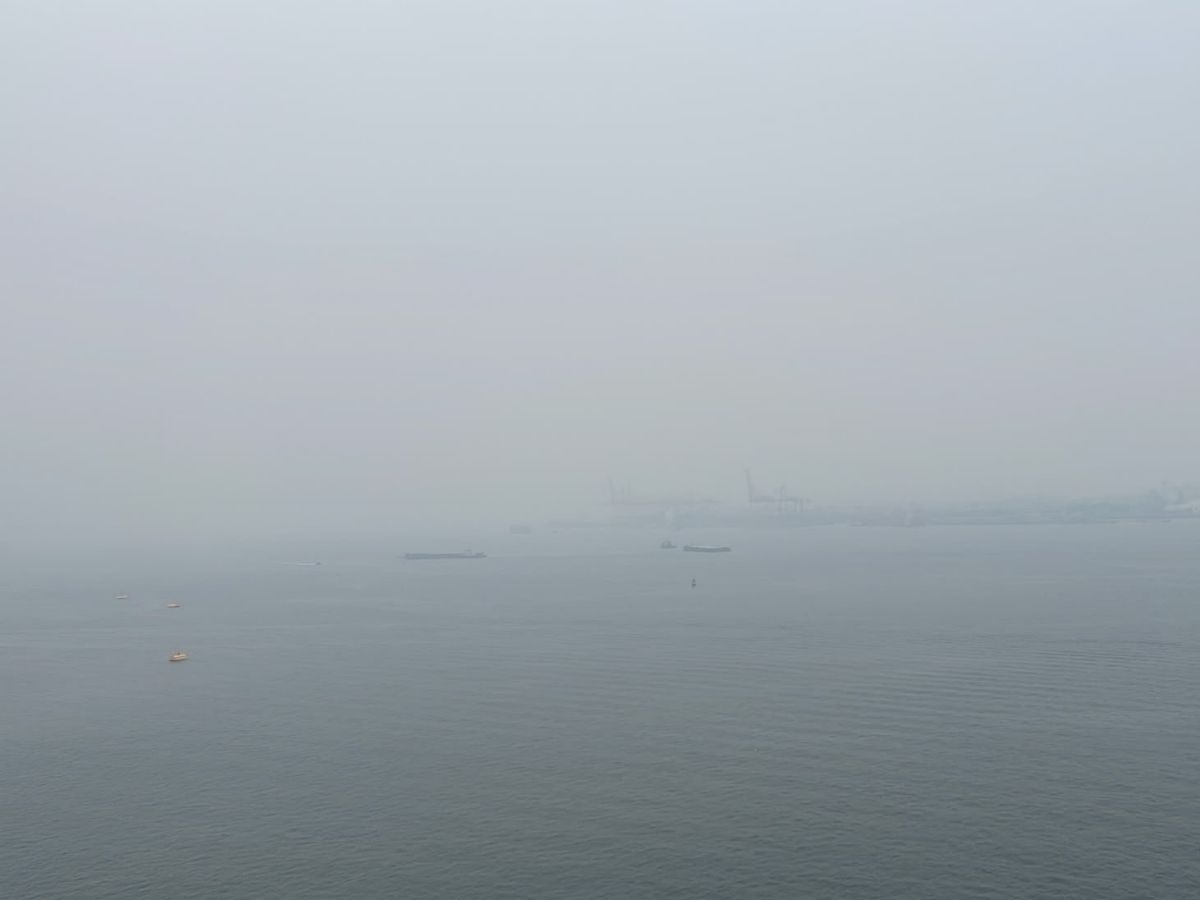
Here is a table of suggested dos and don’ts when haze is in Singapore. Do note that this table is not exhaustive. At the time of writing, the Ministry of Health has activated the Haze Subsidy Scheme (HSS). This allows Singaporeans to seek help with their haze-related medical needs at participating Public Health Preparedness Clinics (PHPCs) and all polyclinics.
| Dos: What you should do | Don’ts: What you should not do |
| Check the latest PSI and PM2.5 readings via NEA’s website or myENV application. | Don’t rely solely on how hazy the sky looks or smells to judge air quality. |
| Drink plenty of water throughout the day to stay hydrated. | Don’t push through strenuous outdoor workouts when air quality is poor. |
| Keep windows and doors closed when outdoor air quality is poor. Use air-conditioning or an air purifier where appropriate. | Don’t leave windows open just because your air-conditioning is switched on. |
| Exercise indoors or reduce outdoor physical activity when health advisories recommend it. | Don’t continue prolonged outdoor exercise when haze levels are unhealthy. |
| Wear a properly fitted N95 mask when recommended by official health advisories. | Don’t assume surgical or cloth masks provide the same protection against fine particles. Follow official guidance based on air quality and individual health needs. |
| Watch for symptoms such as coughing, wheezing or breathing difficulties. | Don’t ignore persistent or worsening symptoms. Seek medical advice when necessary. |
3. N95 masks — should you wear them & where to get them
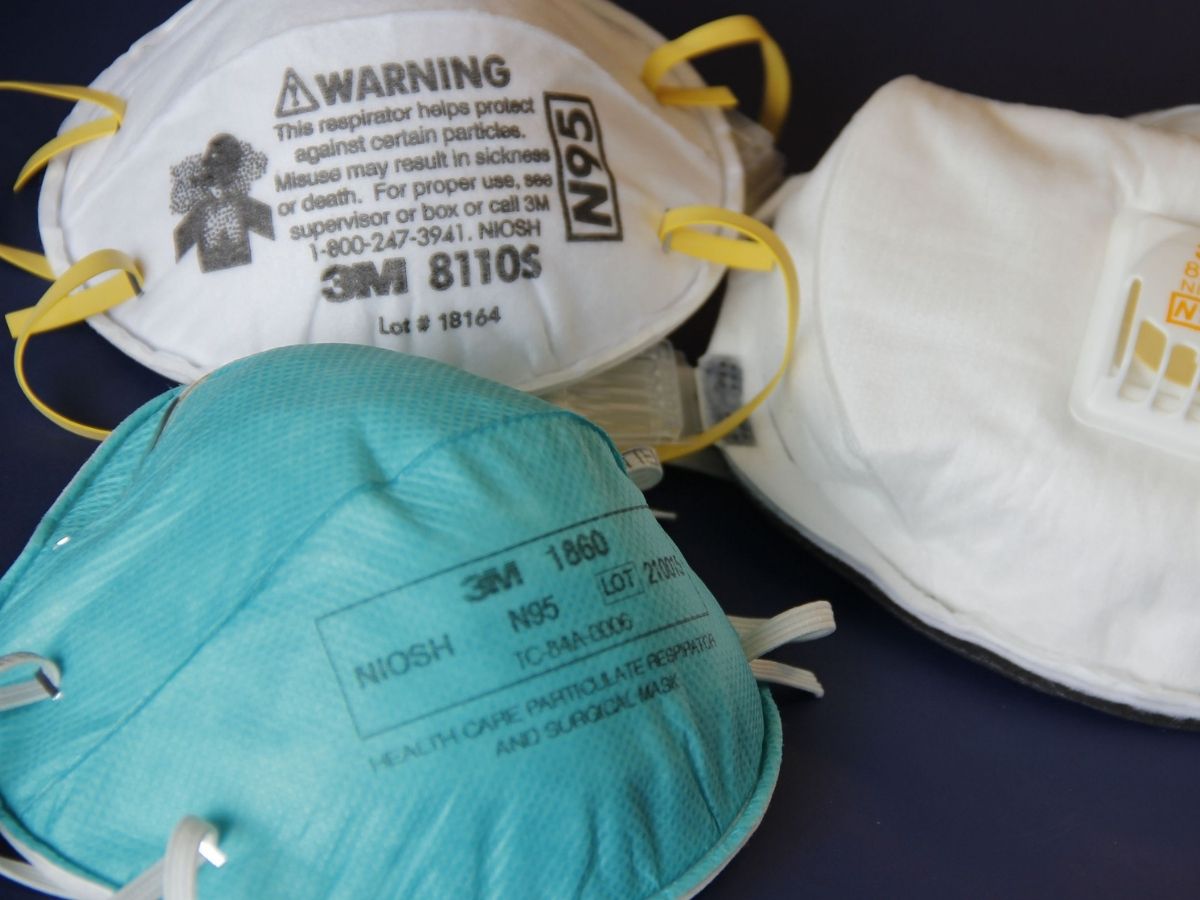
According to NEA, N95 masks are generally unnecessary for short outdoor exposure, such as commuting, or when indoors. However, healthy individuals spending several hours outdoors during Hazardous conditions (PSI>300) may wear one, while vulnerable persons may consider one during Very Unhealthy conditions (PSI>200).
Elderly individuals, pregnant women and those with severe heart or lung conditions should consult a doctor before using an N95 mask. If you feel discomfort while wearing one, take a break. There is also no need to panic-buy masks, as NEA has confirmed sufficient stocks in retail warehouses and government stockpiles. The Government has also set aside masks for vulnerable Singaporeans, with distribution by People’s Association grassroots organisations when PSI exceeds 200. More details are available here.
4. Haze-proofing your home
To reduce haze exposure at home, keep doors and windows closed until outdoor air quality improves. Use an air purifier alongside fans or air-conditioning to improve air circulation, and close your air-conditioner’s outdoor air intake if it draws in unfiltered air. Finally, opt for wet-cleaning methods, such as mopping and wiping surfaces to avoid stirring up dust.
People also read: