 Malaysia
 Singapore
 Thailand

While 27-year-old Mitchell Ong, the owner of Shiok Hokkien Mee, was busy expanding his brand to 9 outlets, he was secretly cooking up something else. Head to Newton Food Centre, and you may spot him behind the wok frying Hokkien mee at his latest premium concept — The Hokkien Mee Club.
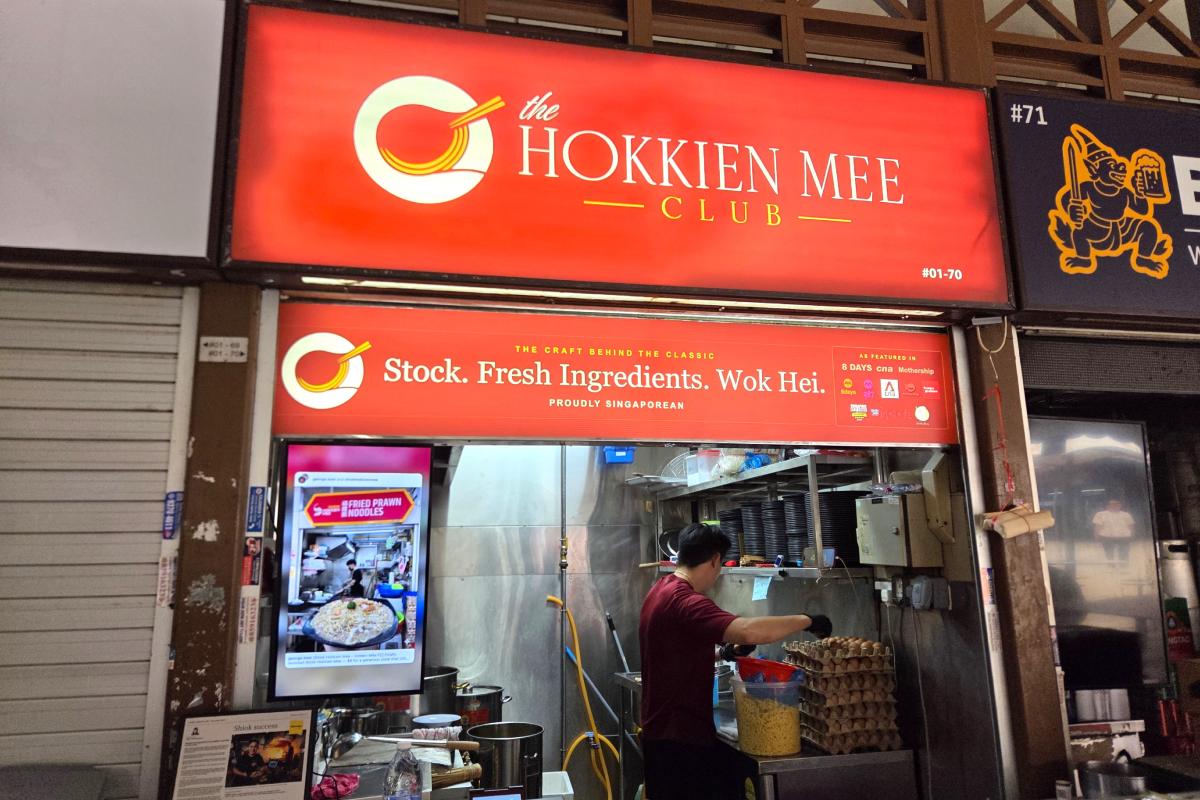
He is working hard towards his goal of earning a Michelin Bib Gourmand award. Well, Mitchell, at the rate you’re going, we sincerely hope all that hard work pays off!
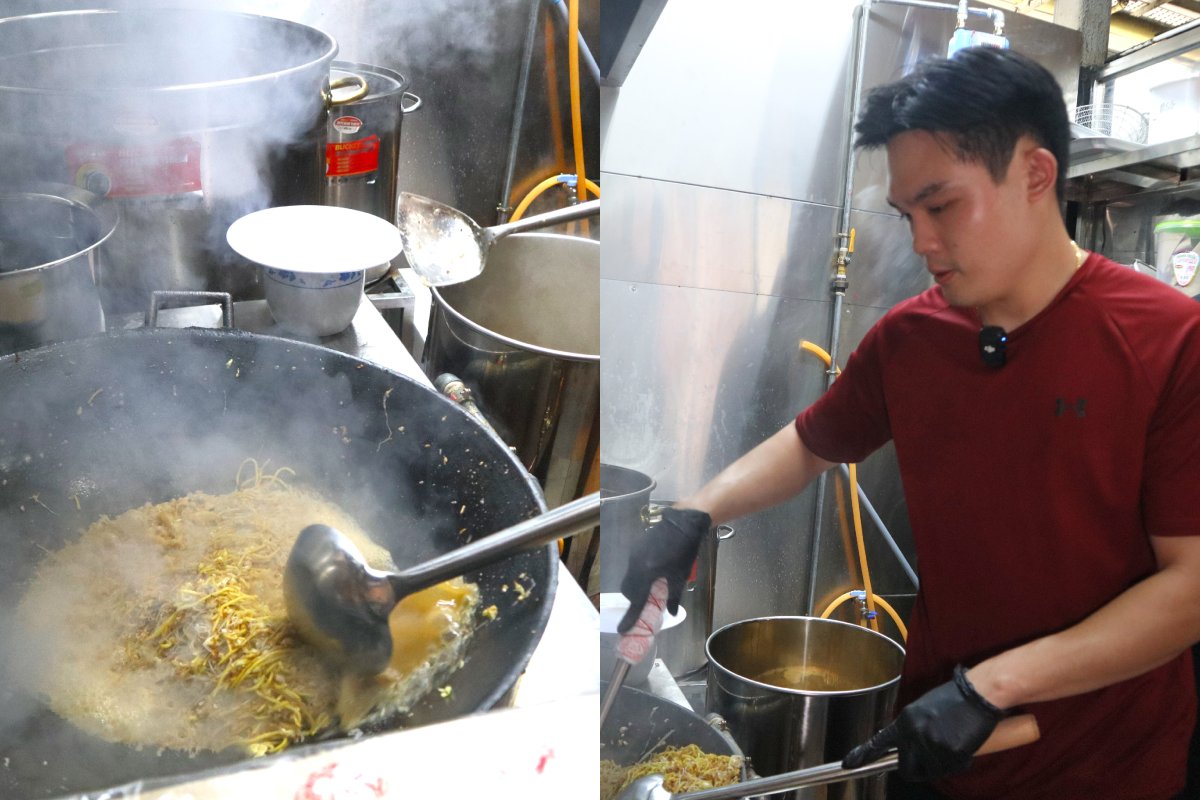
“What’s premium about it?” Some of you may be wondering. For starters, the broth is made with blue swimmer crabs and prawn heads that are slowly simmered for 12 to 13 hours. Those who order the large-sized Hokkien mee can enjoy red leg prawns (ang kar hei), while the smaller options use higher-grade seafood. Of course, using finer ingredients comes with a higher price tag.
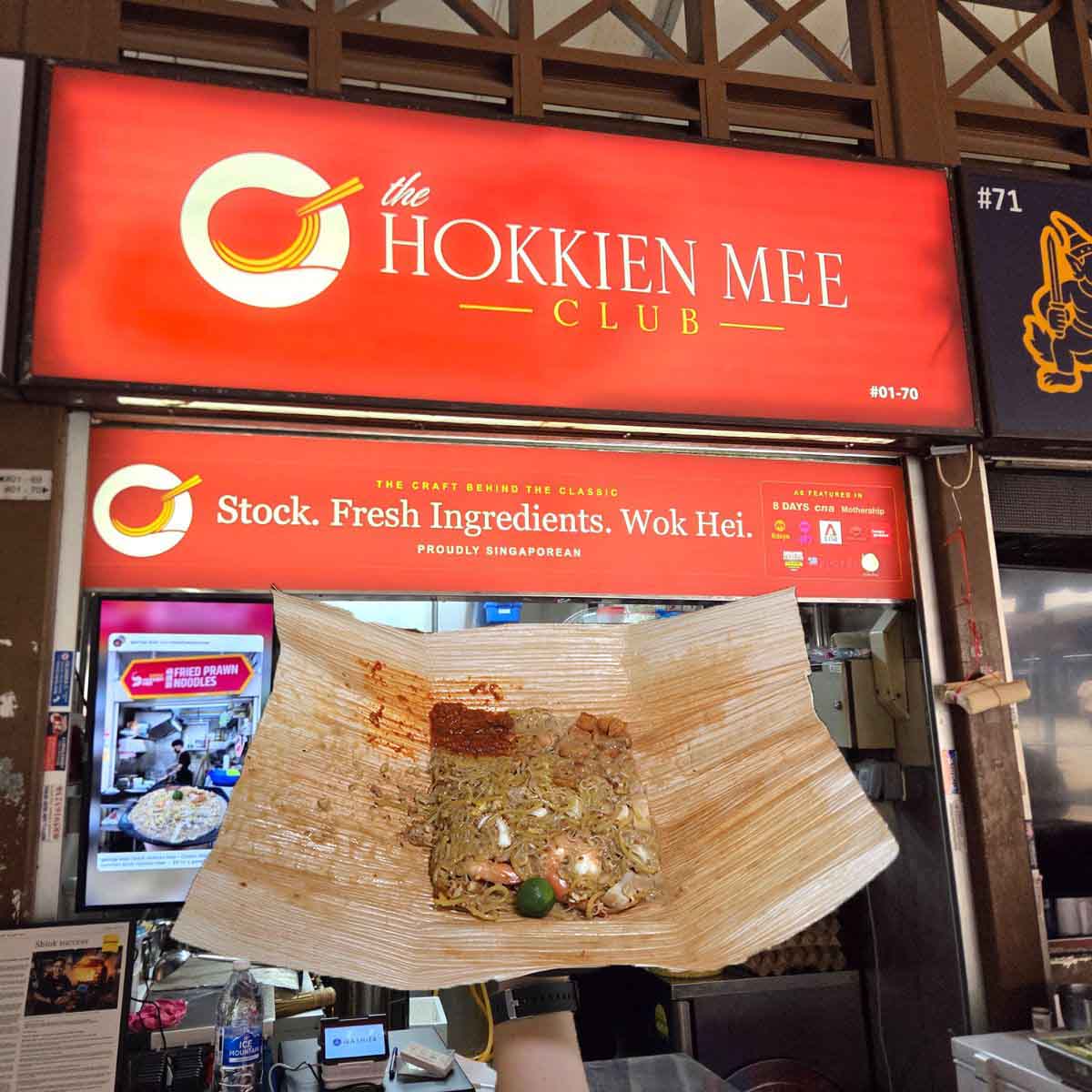
The regular Hokkien Mee comes in 3 sizes — S$6.50 for small, S$10 for medium, and S$15 for large. There’s also the Hokkien Mee with Opeh Leaf, available in 2 sizes — S$9.50 for medium and S$15 for large. We decided to get medium for both options.
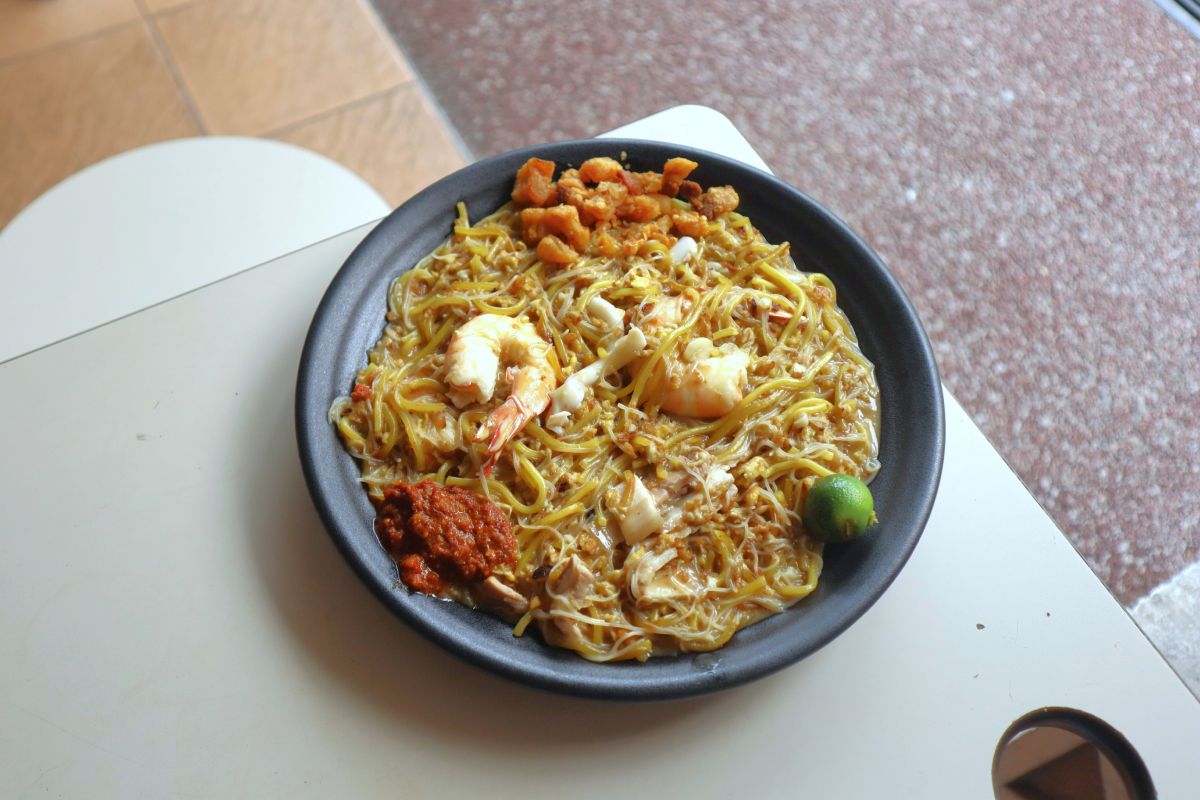
The medium Hokkien Mee came with a generous amount of seafood, larger pork belly chunks, and a cluster of golden-brown pork lard nuggets. When we asked Mitchell about his Hokkien mee style, he replied, “Our style is in the middle, not too wet and not too dry. We also try to reduce the amount of garlic and make the wok hei less prominent to hopefully achieve a well-balanced plate of noodles.”
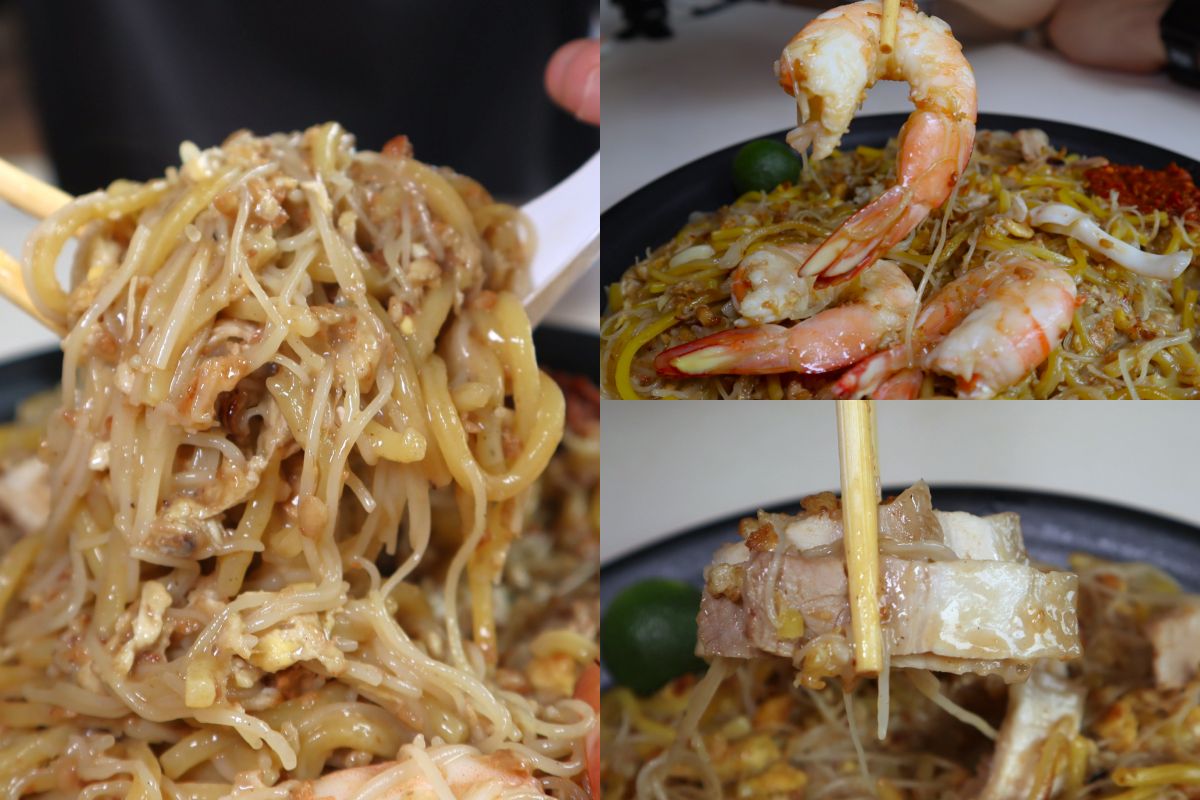
Guess what? Whatever that he had just described to us matched the flavour profile. The smoky wok hei was present, but didn’t dominate the overall flavour. The bee hoon-yellow mee ratio was perfect and had a good bite. There were 4 large prawns that were succulent and cooked just right, and the sotong rings had a great texture. Though the pork belly pieces were slightly bigger, they weren’t tough and melted in my mouth like butter.
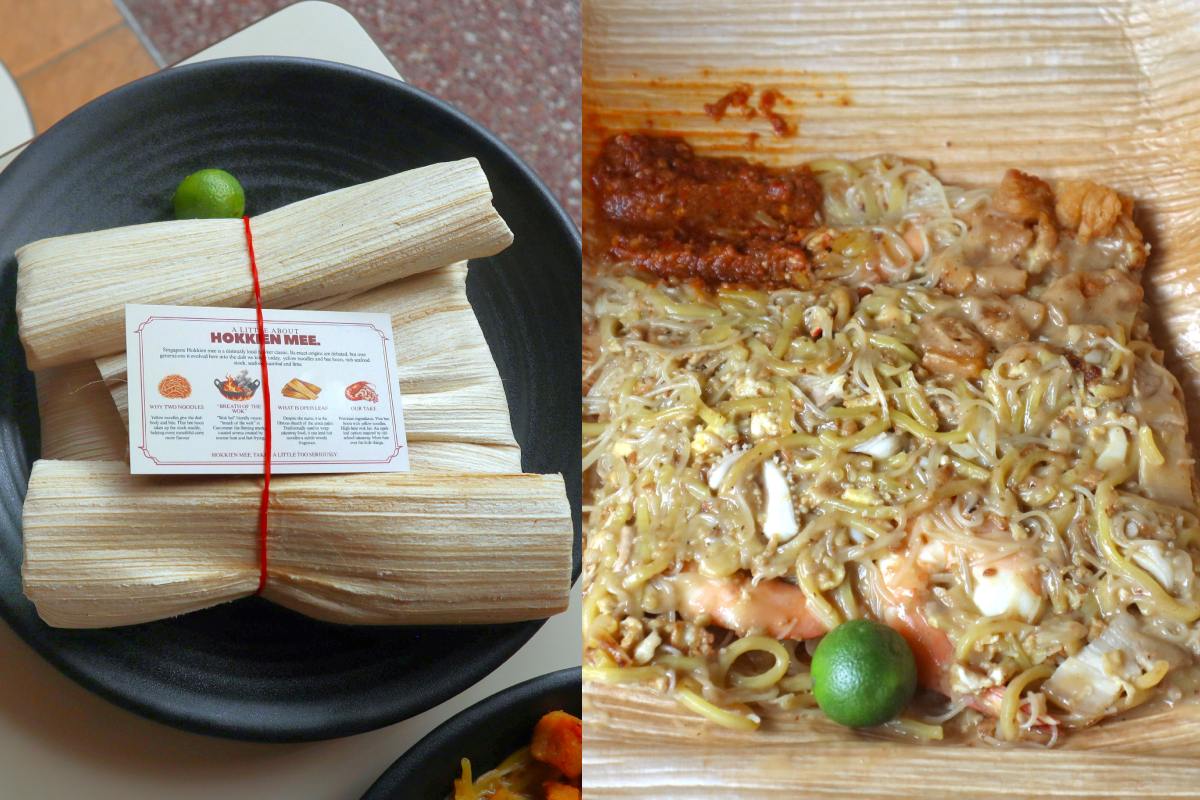
The medium Hokkien Mee with Opeh Leaf was wrapped snugly in the leaf and secured with a rubber band. We were told to let it ‘simmer’ for 5 minutes before we tucked in. Mitchell had shared that he’s trying to bring back the nostalgic flavour. “Opeh leaf gives distinctive woody notes to any dish, but not many Singaporean hawkers are using it” he added.
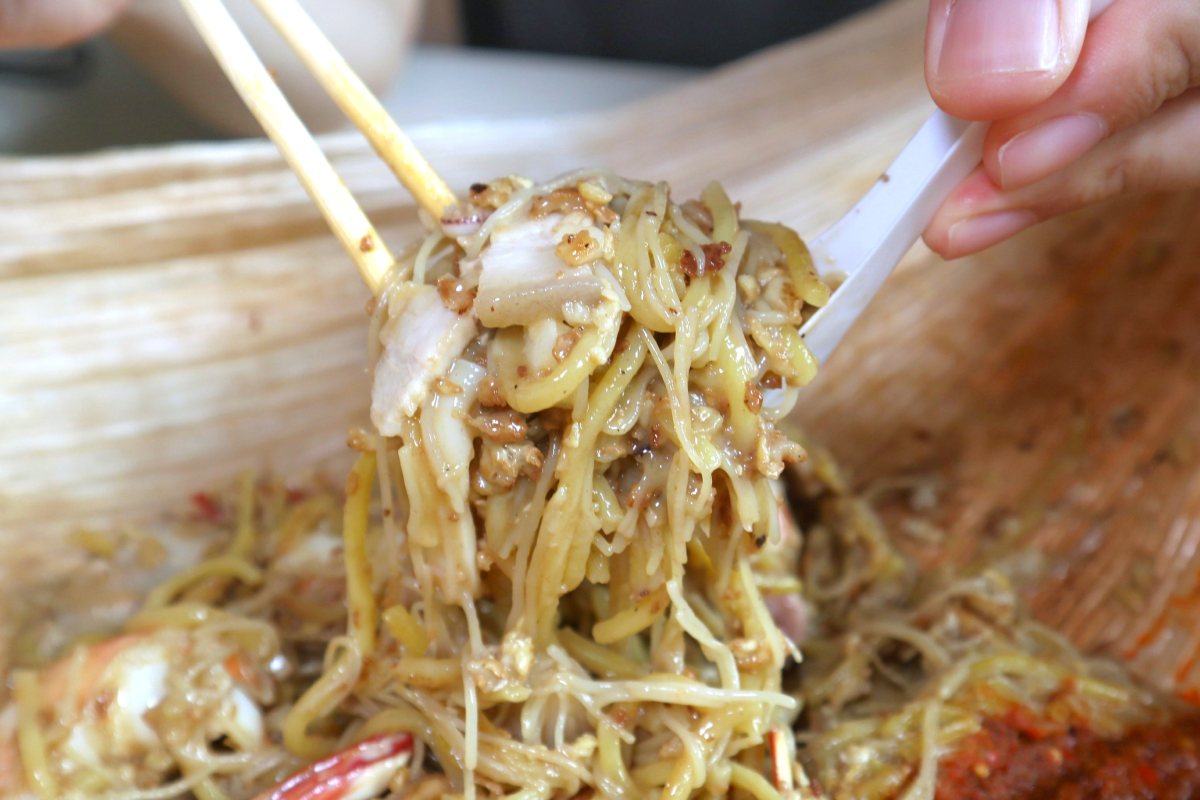
When we finally opened it up, the strands of yellow mee and thin bee hoon were shiny and looked as if they were coated with a creamy-like layer. Maybe it was due to the 5-minute ‘simmering’, but I felt that the noodles absorbed the essence and umami of the seafood broth even more, enhanced by the woody aroma of the opeh leaf. Overall, the flavour was punchier and richer — it was right up my alley!
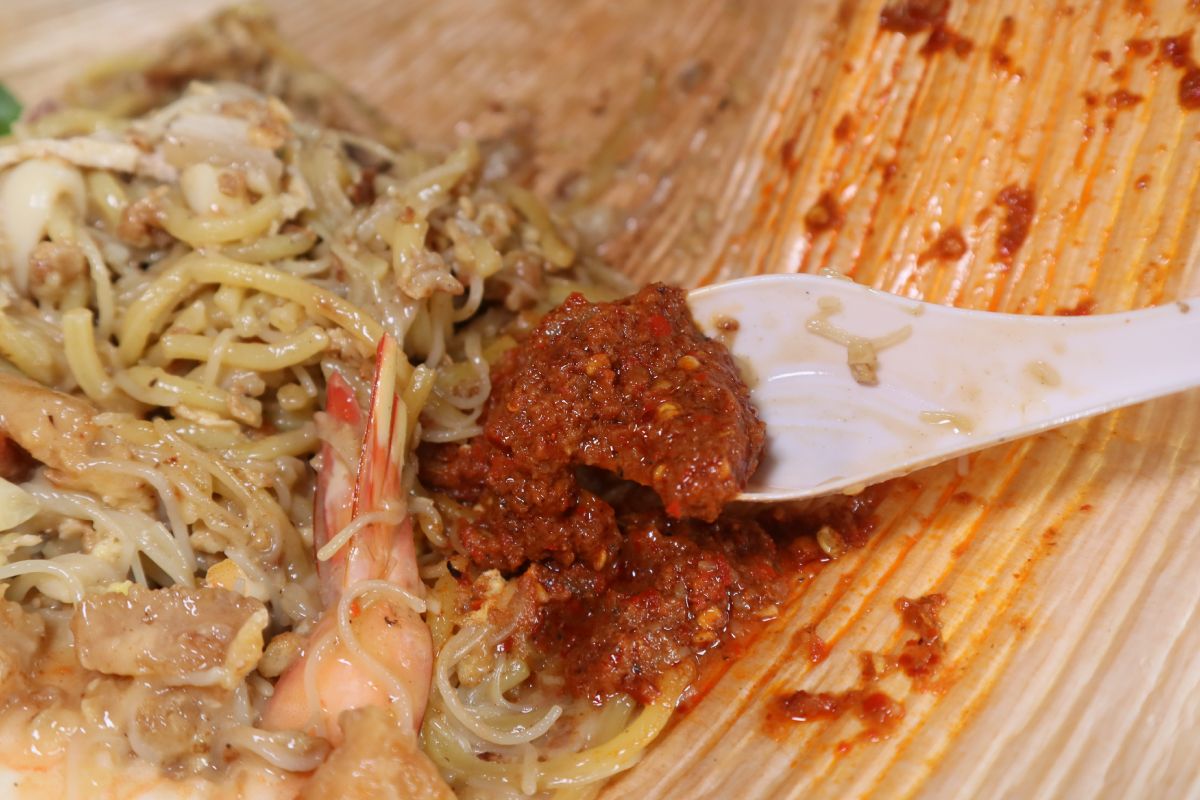
The sambal here is probably one of the most complex versions I’ve ever tried. Beyond packing a serious spice bomb, it was shrimpy, chunky with texture, and had subtle hints of belacan all happening at once. To me, both versions of the Hokkien mee were better than average, but the opeh leaf option stood out more, in my opinion.
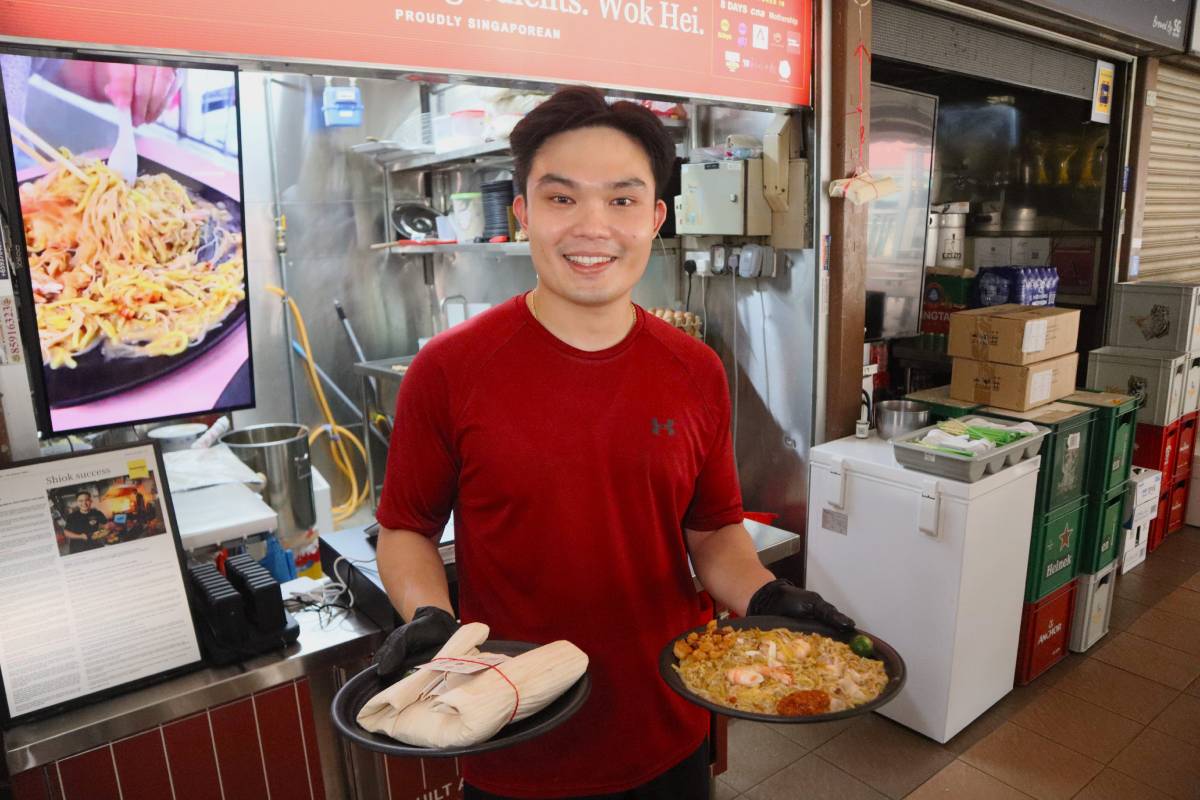
Hokkien mee fans who are searching for somewhere new, why not swing by Newton Food Centre and give it a try? Personally, I’m just glad this place brought in stalls like Hokkien Mee Club to lift the overall food quality.