 Malaysia
 Singapore
 Thailand

In his latest essay, Lee Hsien Loong sets out a clear framework for how Singapore approaches policymaking, relying heavily on microeconomics without becoming overly rigid. He applies this approach across various sectors, including housing, healthcare, and car ownership.
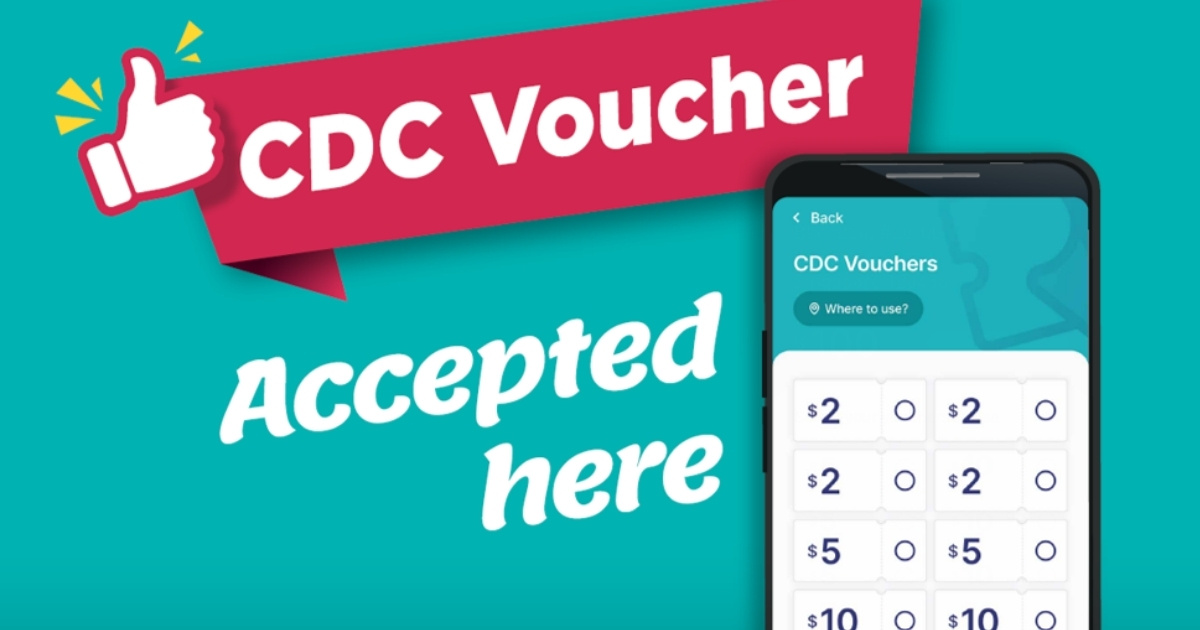
Rather than allocating resources purely through fixed rules, he uses schemes like GST Vouchers, U-Save rebates, and CDC vouchers to illustrate a key principle: the design of support shapes how effective it is.

Lee’s central argument challenges the assumption that cash is always the most effective form of support. He stresses that the way assistance is delivered, whether as cash or vouchers, not only affects autonomy but also influences behaviour.
This preference for targeted assistance also explains why Singapore maintains a single Goods and Services Tax rate instead of adopting multiple tiers for essential goods. While many countries lower taxes on necessities, Lee argues that such systems often benefit higher-income households more, as they tend to spend more overall.
As a PR who does not receive CDC vouchers, I can still see their appeal. These support schemes help buffer rising costs and make everyday life a little easier for those who receive them. Beyond that, there is a more complicated reality that often goes unspoken. From what I’ve observed, some people prefer vouchers because they are harder to misuse within the household.
In situations involving gambling or financial instability, cash assistance does not always reach the person it is intended for. Vouchers, in that sense, provide a layer of protection, even if they come with less flexibility.
It is not a perfect solution, and I imagine the Government would find it difficult to design schemes that are this specific, but it does show how differently households experience support.
At the end of the day, both cash and vouchers make a difference. They may not solve everything, and there are valid criticisms, but they are helpful as prices rise year after year.