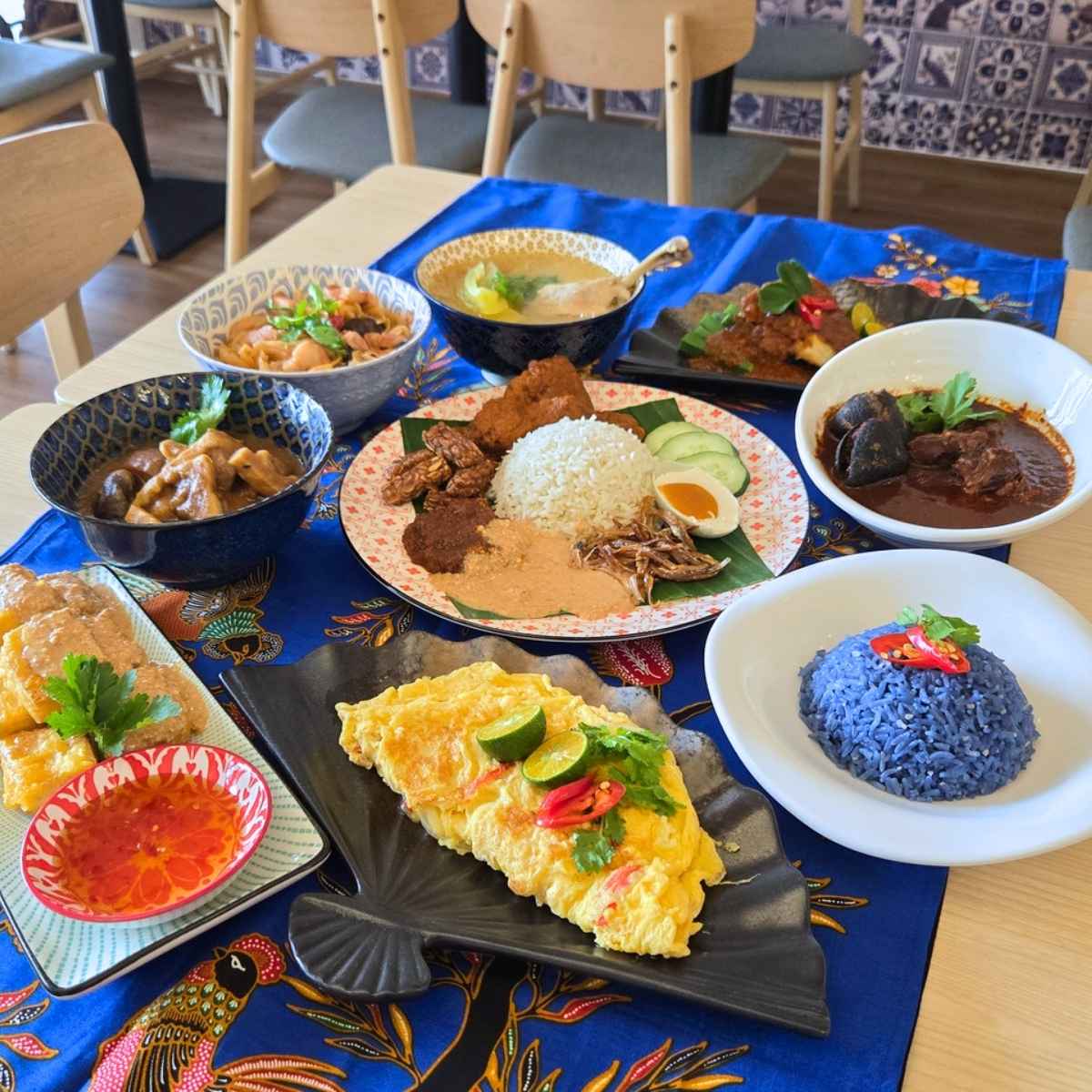
 Malaysia
 Singapore
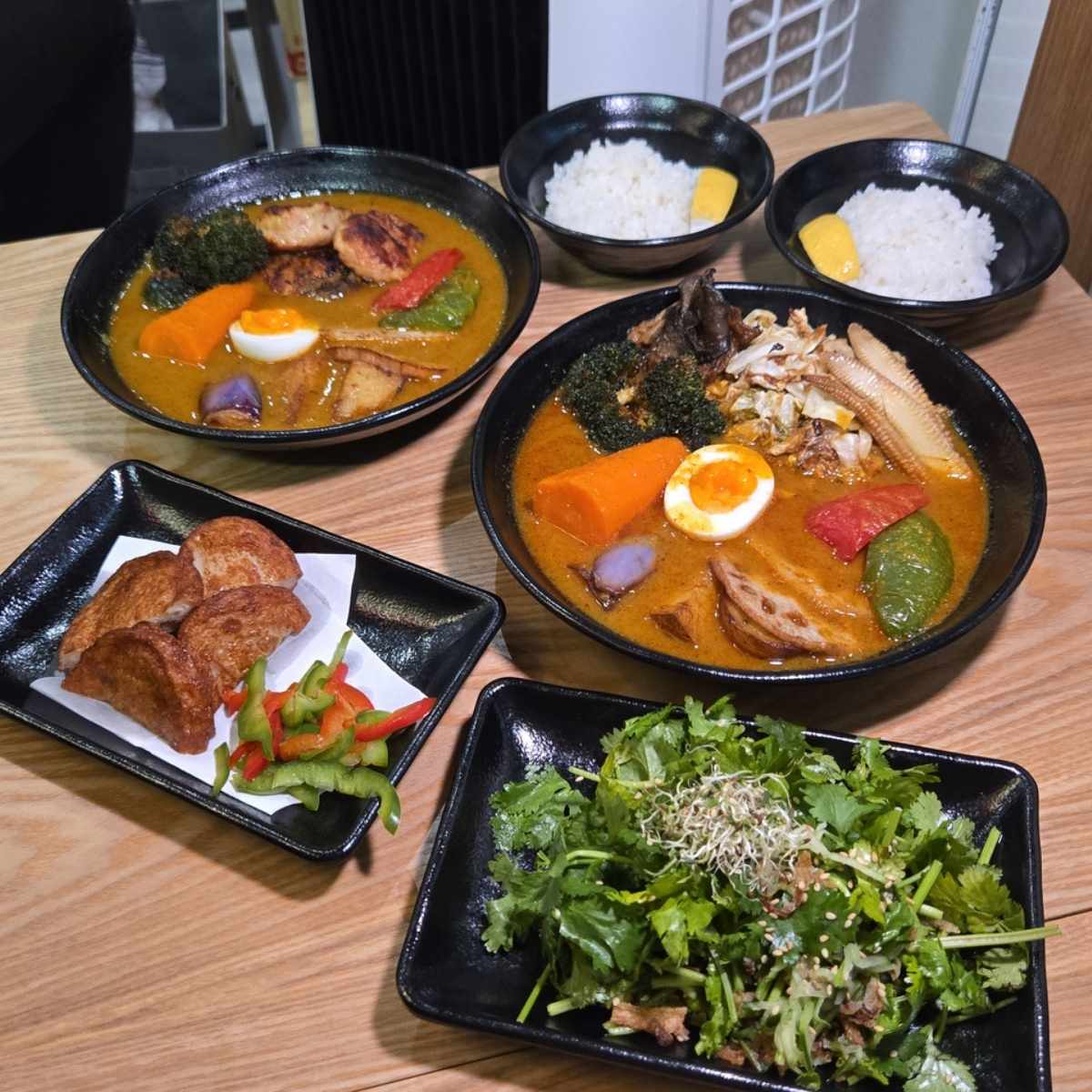
 Thailand

Think back to the last small stay you loved. Maybe it was a six-room shophouse guesthouse in Penang, a family-run ryokan outside Kyoto, or a hillside B&B in Chiang Mai. You booked at midnight, got a confirmation before you put your phone down, checked in without a single form, and the host somehow remembered you asked for a late breakfast. Ten years ago, that level of polish belonged to big chains with big back offices. Now it is turning up in places with four staff and a cat.
The reason is not that small hoteliers suddenly hired armies of receptionists. It is that the software running behind the front desk finally caught up with them. The same category of tools that global chains have used for decades, the property management system, has been rebuilt for independent properties, with platforms such as Prostay.com, a hotel PMS system for modern hospitality designed so a guesthouse owner can manage reservations, payments, housekeeping and guest messages from one screen instead of a paper diary and three notebooks. When the admin runs itself, the host gets to do the part you actually notice: hospitality.
What actually changed behind the front desk
For most of the hotel’s history, size determined service. A 400-room hotel could afford enterprise software, an IT department, and a revenue manager. A B&B had a phone, a wall calendar, and an owner who did everything from breakfast to bookkeeping. Guests felt the difference in small ways: slow replies, double bookings, cash-only payments, and that awkward moment when nobody could find your reservation.
From wall calendar to cloud
The shift came when hotel tech moved to the cloud. Instead of servers in a basement and five-figure licence fees, a small hotel PMS became something you log in to from a laptop or phone, priced as a monthly subscription. That single change rewrote the economics. Suddenly the tools were not just affordable, they were manageable by one person with no technical background.
Modern PMS systems for small hotels typically pull four jobs into one place:
- The room diary. Every booking from every source lands on one calendar, so two guests can never be sold the same bed.
- Channel connections. Availability syncs automatically with booking sites, so the owner doesn’t have to update five websites by hand at 11 pm.
- Payments and invoicing. Cards are charged securely, deposits are tracked, and receipts are sent automatically.
- Guest messaging. Confirmations, directions, and check-in details go out on time, every time, without anyone having to type them.
None of this is glamorous. All of it is why your booking now feels effortless.
The signs you have probably noticed as a guest
You do not need to see the software to feel it. The next time a small property impresses you, chances are one of these was quietly at work:
- An instant, accurate confirmation at 1 am, because the booking engine and calendar are the same system.
- A message two days before arrival with directions, door codes or ferry times, sent automatically.
- Online check-in that means your key, or key code, is ready when you walk in sweaty from the airport.
- The host greets you by name and already knows about your allergy or anniversary because notes travel with your booking.
- A card payment that just works, in your currency, without the dreaded ATM run.
That last-minute room you grabbed in Johor on a Friday night? Almost certainly released by software that noticed a cancellation and pushed the room back online within seconds.
Why small stays waited so long
If the technology is so useful, why did it take until now? Mostly money and fear. Traditional hotel software price structures were built for chains: installation fees, per-room charges, training costs and contracts that assumed a full-time IT person. For a ten-room property, the maths never worked. Owners also worried, fairly, that a clunky system would slow them down during the breakfast rush.
Cloud subscriptions dismantled both objections. Entry pricing for a PMS for small hotels now often sits below what a property spends on coffee beans in a month, and onboarding takes days rather than weeks. At the same time, dedicated bed and breakfast booking software emerged for the truly tiny operators, focusing on direct bookings and simple calendars rather than corporate reporting nobody reads.
There is a competitive push too. Once travellers experienced instant confirmations and smooth check-ins at one guesthouse, they began to expect it everywhere. Reviews mentioning slow replies or booking mix-ups sting a small property far more than a chain, so the incentive to modernise became existential.
What this means for your next booking
Here is the pleasant twist: the professionalism is not making small stays feel corporate. It is doing the opposite. When the owner is not buried in spreadsheets, they have time to walk you to their favourite laksa stall or lend you the good snorkel. The technology fades into the background and the personality comes forward.
A few practical takeaways for travellers:
- Book direct when you can. Small properties running modern systems usually have their own booking page, and direct guests often get better rooms or small perks.
- Treat smooth communication as a quality signal. A property that confirms instantly and messages you before arrival is usually just as organised about clean sheets and honest photos.
- Do not fear the tiny places. A well-run four-room B&B today can be operationally sharper than a mid-tier chain hotel and offer far better breakfast conversation.
The best of both worlds
The gap between big and small hospitality has not closed because small hotels became big. It closed because the tools became small. A guesthouse in George Town and a resort in the Maldives can now run on the same kind of operational backbone, which means the choice between them is finally about what actually matters: character, location, food and the people looking after you.
So the next time your favourite B&B replies in minutes, remembers your kopi order and checks you in before your Grab pulls away, you will know the secret. Somewhere behind that warm welcome, a quiet piece of software is doing the boring work so a human can do the memorable part.