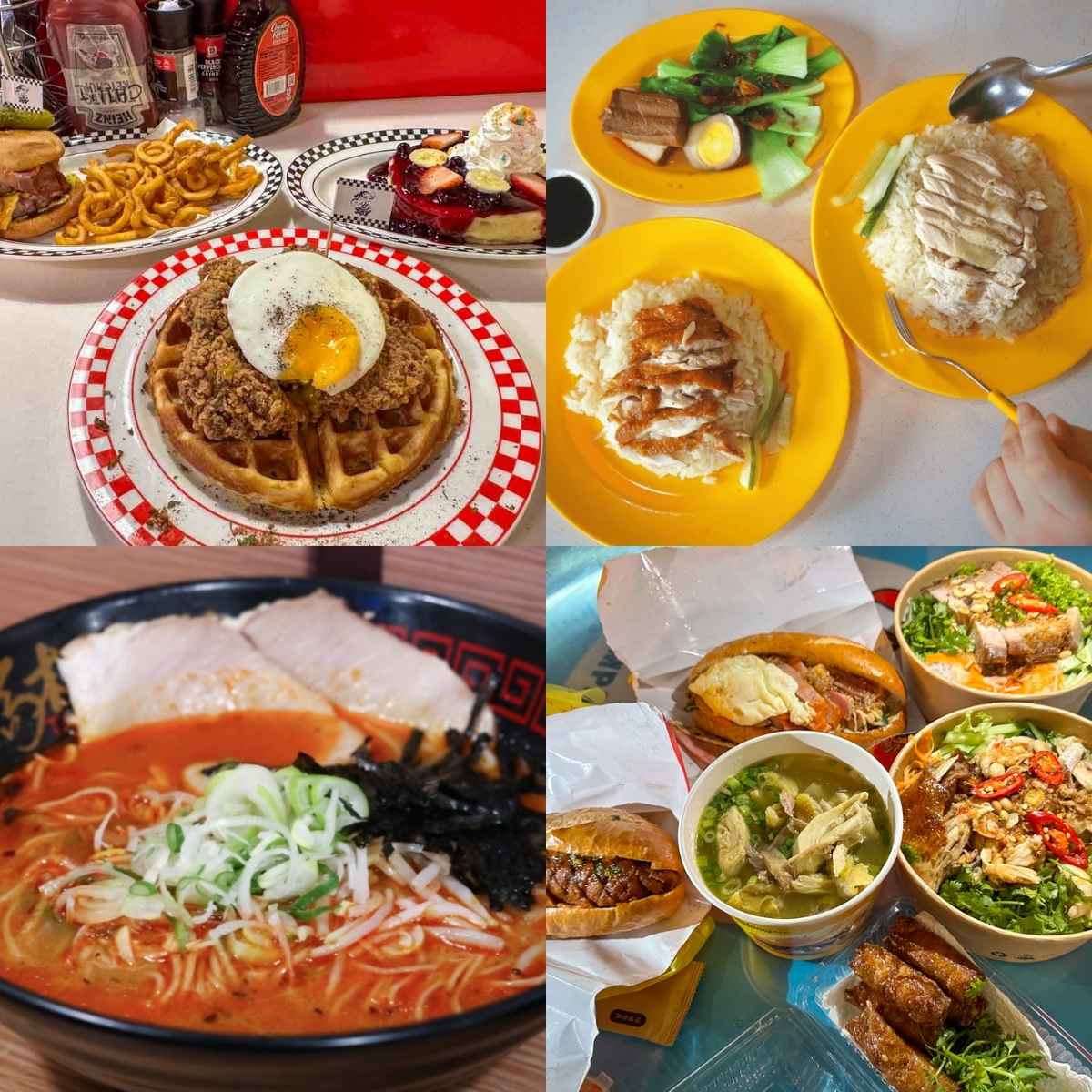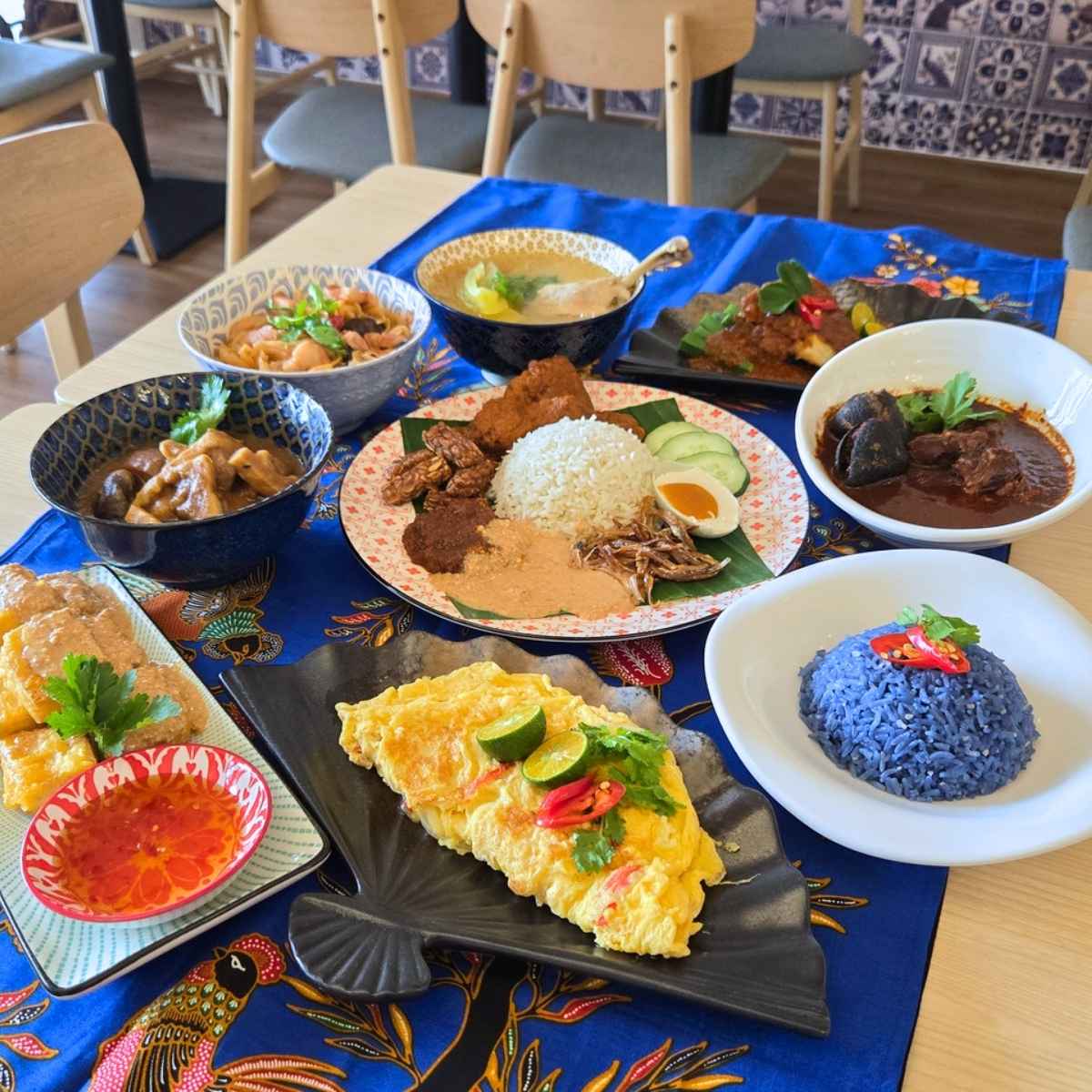
 Malaysia
 Singapore
 Thailand

Think back to breakfast at your favorite kopitiam five years ago. You queued, you shouted your order over the hiss of the coffee sock, the auntie scribbled something on a pad only she could decipher, and you waited. Sometimes the kaya toast came in four minutes. Sometimes it came after the table beside you, who ordered later, had already finished theirs.
That same breakfast today feels different. The queue moves. Your kopi-c arrives with the toast instead of five minutes after it. Nobody argues about who ordered the soft-boiled eggs. The food didn’t change, and neither did the auntie. What changed is the machine sitting where the cash tin used to be. Most stalls and cafes have quietly swapped the old register for an ePOS system, a touchscreen till that sends your order straight to the kitchen the moment you tap “confirm.” No pad, no shouting, no lost chits.
You will probably never see the software itself, but you eat its results every day. Behind the counter, owners compare platforms the way we compare laksa spots, weighing up providers like Tableview.com and restaurant POS systems for hospitality venues ranging from single hawker stalls to full-service dining rooms. The choice they make shapes how fast you eat, how easily you pay, and whether your usual order is remembered when you walk in.
What Actually Happens After You Order
Here’s the part most of us never think about. When you tap your order on a QR menu, or the cashier keys it into the till, several things fire off at once:
- The kitchen sees your order on a screen instantly, with no paper ticket to lose or misread
- The system deducts ingredients from a live stock count, so the stall knows it has six portions of mee pok left, not “roughly some”
- Your payment, whether PayNow, card, or cash, lands in the same record as the order itself
- The owner sees, in real time, that curry puffs are outselling everything else this morning.
None of this is visible from your seat. All of it decides whether your food shows up in four minutes or fourteen.
Why the Cloud Part Matters to You
You’ll hear the phrase “cloud-based POS systems for restaurants” if you ever chat with a restaurant owner about their setup, and it can sound like jargon until you see what it does. Cloud simply means the till isn’t a lonely box in the corner. It talks to the kitchen screen, the delivery apps, and the owner’s phone, all at once. When a stall’s Grab orders and walk-in orders flow into one queue instead of two competing ones, your dine-in food stops losing the race to a delivery rider’s bag. That’s the whole trick.
It also explains a small mystery: how that tiny two-person stall in Tanjong Pagar suddenly takes every payment method known to humanity. They didn’t hire an IT department. They subscribed to software that runs on a tablet.
The Two-Wok Stall Runs Smarter Than You Think
There’s a romantic idea that the best food comes from places that reject technology. Spend time watching the queue at any Top 300 hawker contender, and you’ll see the opposite. The stalls that survive the lunch crush are often the ones that adopted a small restaurant POS system early, precisely because they have no slack. Two people, one wok, ninety minutes of chaos. When the ordering and payment side runs itself, both pairs of hands stay on the food.
A few things you can spot as a diner that hint a stall has its systems sorted:
- A QR code on the table that actually works and shows live sold-out items
- A kitchen that never asks “who ordered this?” when food comes out
- Queues that move even when the stall is short-staffed
- Receipts that itemise correctly, which matters when six friends split a zi char bill
Fast Food Got Faster for a Reason
The chains figured this out first. Every self-order kiosk you’ve tapped at a fried chicken joint sits on top of a quick service restaurant POS system built for one job: volume. Orders skip the counter entirely, payment happens at the screen, and the kitchen works from a single sorted queue. Love the kiosks or hate them, they’re why a 12.30 pm lunch order at a busy outlet now takes six minutes instead of fifteen. The independents watched, then borrowed the same playbook at hawker scale.
Bars Have the Hardest Job of All
If you’ve ever waited twenty minutes for a drink on a Friday night along Amoy Street, you’ve felt what happens when a venue’s till can’t keep up. Bars are a strange hybrid: food orders go to a kitchen, drink orders go to a counter three metres away, tabs stay open for hours, and customers move seats constantly. Owners in that world hunt for the best POS system for restaurant and bar operations specifically because a system built only for food service falls apart the moment someone says, “Put it on my tab and add two negronis for that table over there.”
When a bar gets this right, you notice it as a diner without knowing why:
- Your tab follows you from the bar counter to your table
- The bill splits by item, not by awkward mental arithmetic at 1 am
- Last orders actually reach the kitchen before it closes
The Best Tech Is the Kind You Never Notice
Here’s the honest summary. Nobody travels to Singapore for the point-of-sale software, and no machine will ever make a mediocre char kway teow taste good. But the next time your kaya toast lands on the table warm, with the eggs and the kopi arriving together, spare a thought for the quiet system that made it happen. The auntie’s recipe hasn’t changed since 1987. Her till, thankfully, has.
And if the queue at your favourite stall moves faster than it used to, don’t assume they hired more staff. Odds are, they just got better software. Order the extra kaya toast. The kitchen already knows.