 Malaysia
 Singapore
 Thailand


Fans of Japanese cuisine with more discerning palates would certainly be familiar with the concept of omakase. You put your faith in the chef to guide you on a culinary journey, and leaving it up to the chef has never been more thrilling when you’re dining at Teppei Japanese Restaurant.

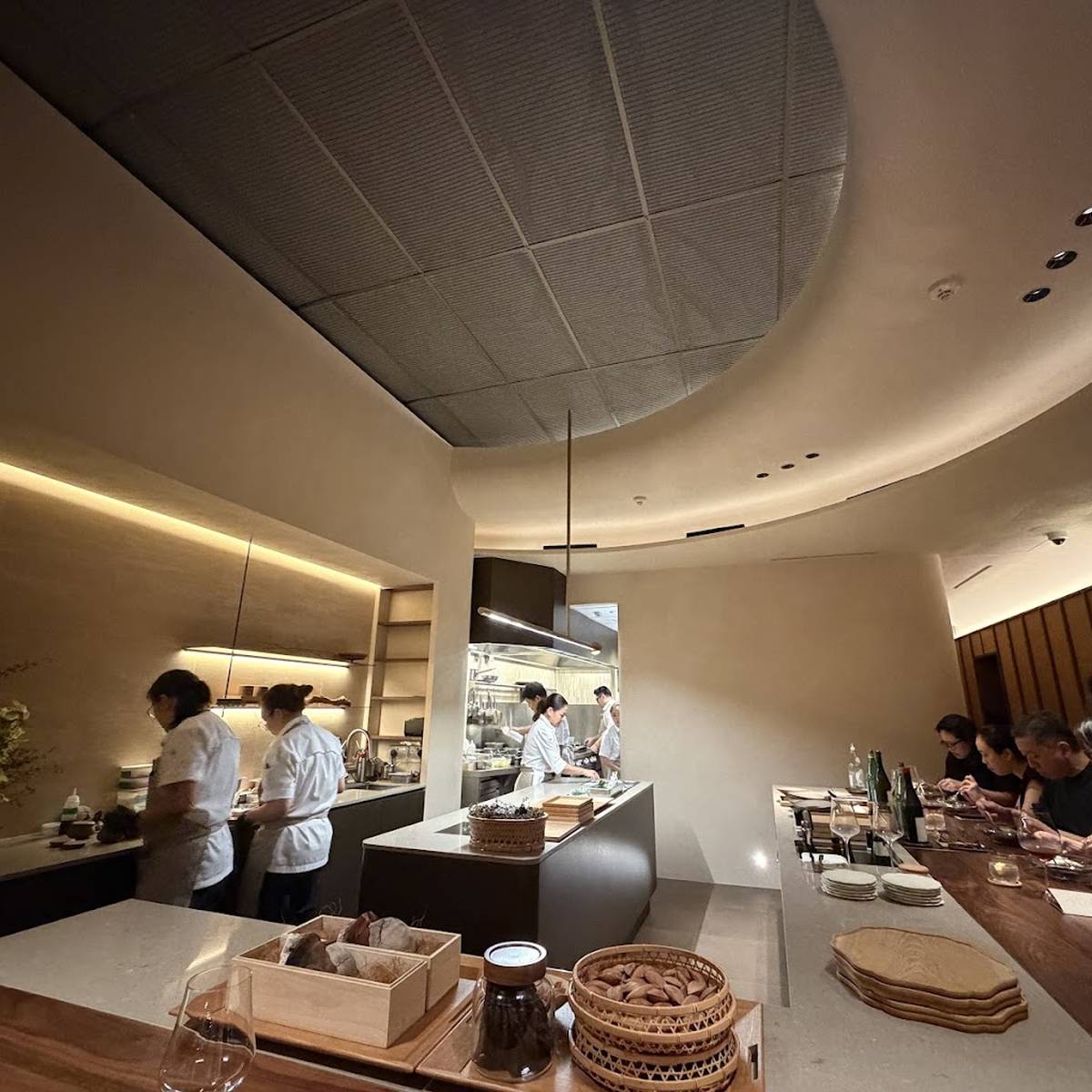
Housed in Tanjong Pagar beneath Orchid Hotel, this cosy 22-seater Japanese restaurant is founded by Chef Teppei Yamashita. I was lucky enough to have dined here before, though this second time is different—for the months of February and March 2020, Teppei Japanese Restaurant has brought in fresh, hand-picked produce from the Shizuoka prefecture.
You may know the Shizuoka prefecture for the iconic silhouette of Mount Fuji, but the region also produces exceptional wasabi, and tea. Situated along the Pacific Coast, it’s also home to the famous sweet and tiny sakura ebi, and yields a bountiful harvest of seafood.
And this brings us to the limited-time omakase menu (S$80++ per pax in February, S$90++ from March onwards) for February and March. With 18 courses in total, I was prepared to leave the restaurant feeling stuffed.

A word of advice: when I say ‘cosy’, I really mean it. Leave the bulky backpacks at home, because you’ll be seated elbow to elbow with your fellow diners. But for high-quality food with such incredible value, it’s worth it.
Sit tight, because I’m bringing you through the full Teppei omakase experience.
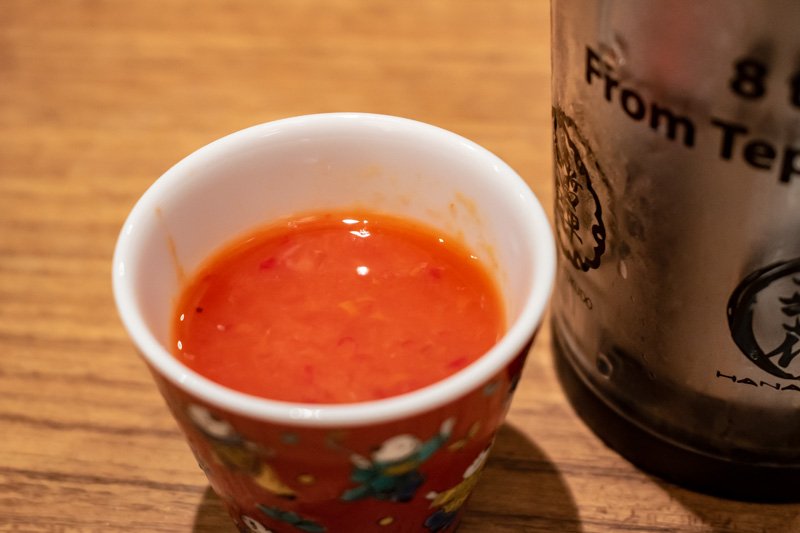
Start the meal with a chilled welcome drink. The Paprika Frozen is a blend of paprikas from Shizuoka and bananas, resulting in a refreshing concoction that brings to mind cold soup dishes like gazpacho.

The appetiser consists of Kinoko Pickles, Sakura Ebi Kakiage, Eho Maki, Anago Stewed With Hojicha, Tentama Goma Tofu and Scallop Kobu-jime. All of them disappeared into my mouth within one or two bites, and I really liked how the variety meant I got to sample a wider range of Shizuoka produce.

Crunchy, super-sweet with a hint of sea-salt, the Sakura Ebi Kakiage stood out from the rest. I chewed as long as I possibly could to savour this addictive little treat.
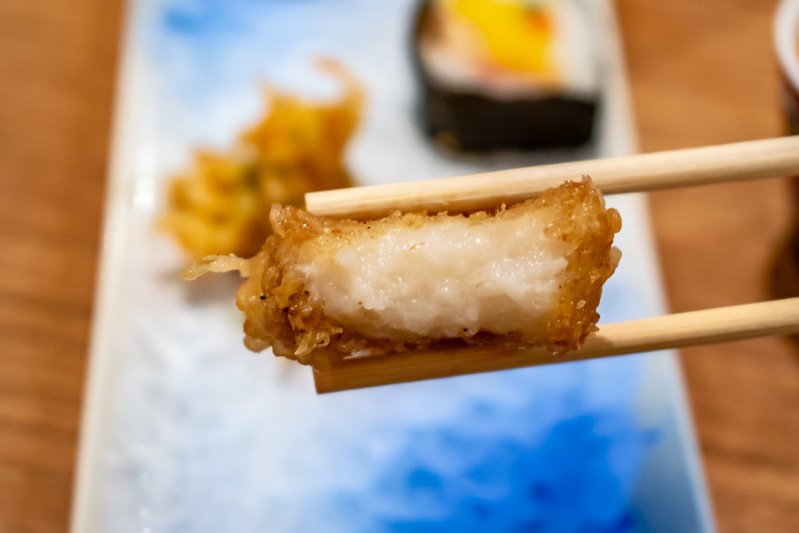
Another of my favourites was the Tentama Goma Tofu. This tasty morsel was sticky sesame tofu wrapped in a light batter, and made a comforting bite.
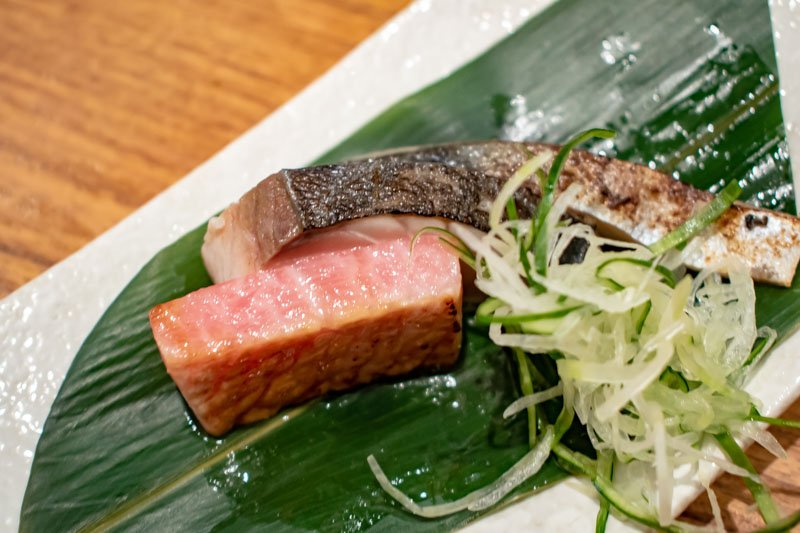
One of the most value-for-money parts of the omakase, the sashimi course brought us three cuts of fish, and lobster served in-shell.

Briefly seared, the Sawara Tataki (Spanish mackerel) was super soft and creamy, easily melting in my mouth while leaving lingering sweetness and umami.

Saba may be more commonly seen grilled and served with rice, but Teppei shakes things up with Shime Saba Aburi. A thin layer of fats under the skin lent greasiness, while the fish retained some bite.
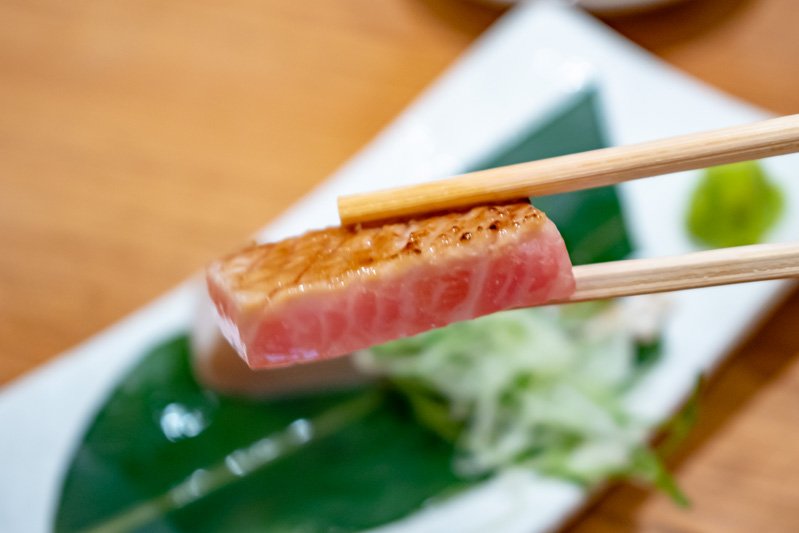
My favourite was the Otoro Tataki, and this silky, fatty tuna belly did not disappoint. Sweet, with a slight char, it simply melted to leave a buttery mouthfeel.
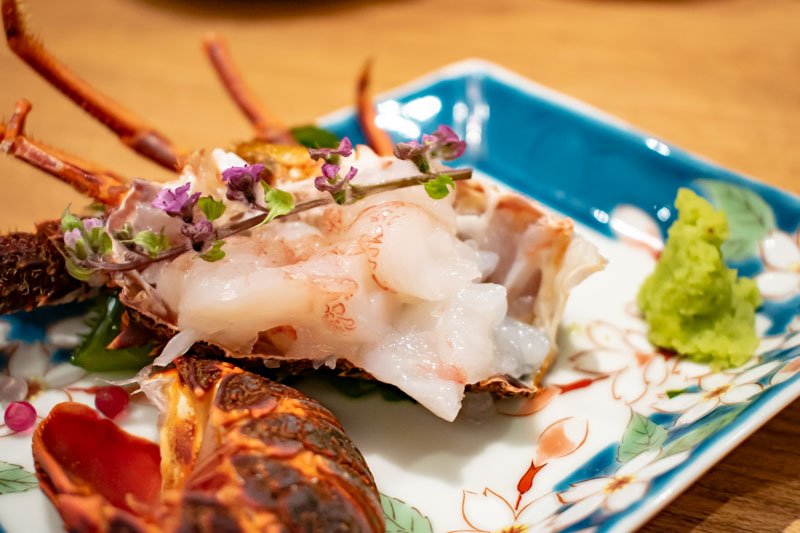
And the Ise Ebi, oh my. It’s no wonder the Shizuoka prefecture is known for delicious seafood—the gleaming lobster meat was sweet, bouncy and incredibly fresh.

This is actually the first time that Teppei Japanese Restaurant is serving up lobster, so don’t miss it.

Who would’ve thought that simple steamed egg could be that delicious? Teppei serves up a stunning rendition of chawanmushi, made with a milky basket clam sauce. The result? Creamy clam chowder meets steamed egg, and I instantly fell in love. The chunks of crabmeat and mushrooms certainly didn’t hurt either.

Here’s when the dishes start coming in earnest, starting with the famous “man-sized” Negitoro Handroll. Named for the generous portion, you definitely need large hands to hold this handroll securely. It’s filled to bursting with negitoro (minced tuna), crunchy tempura bits and ikura.
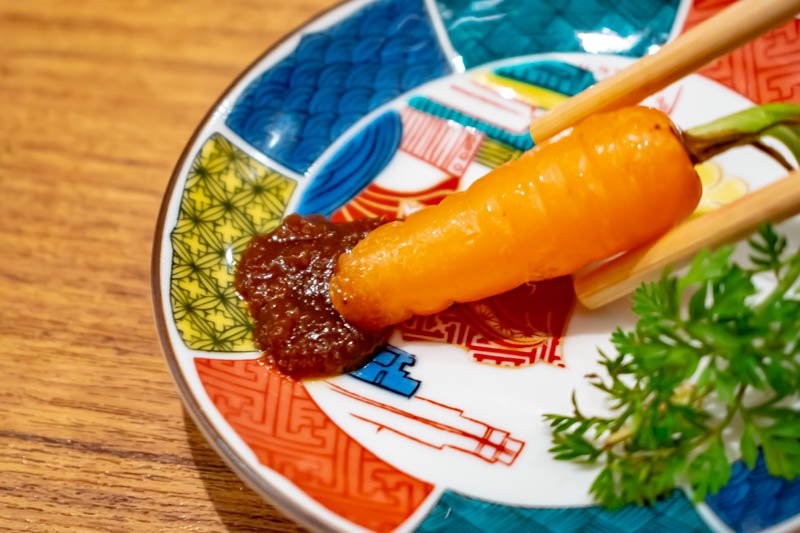
Cleanse your palate with a mini carrot salad, served with miso paste on the side. With each bite, dip the adorable mini carrot into the miso to cover the “raw” taste—though some diners still found it a little too herbaceous for their liking. The leaves are edible, but incredibly bitter.
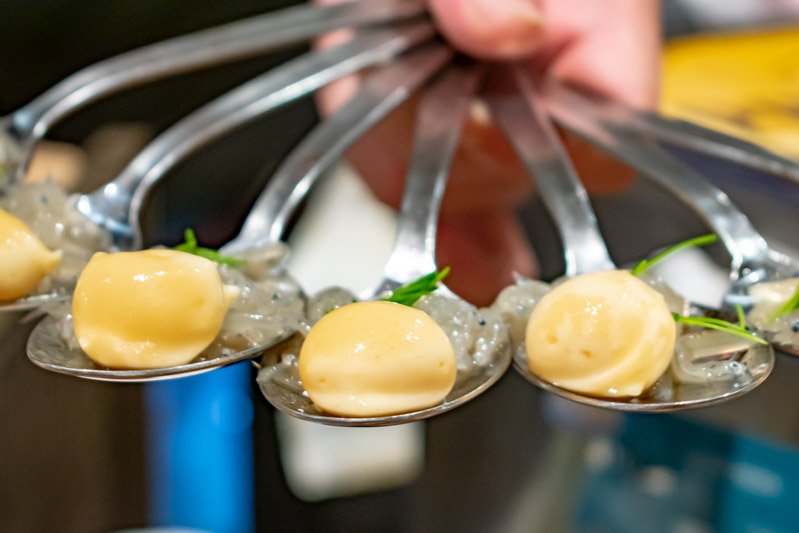
The first of Teppei’s famed spoons came swooping our way: Fresh Shirasu With Egg Yolk was certainly intriguing, and the combination of baby sardines and egg yolk brought out creamy and briny notes in equal measure.

Yet another dish showcasing the oceanic delights of Shizuoka prefecture, the Scampi is served in halves.

Drenched in a thick sauce with crabmeat strands and topped with butter-fried panko crumbs, each morsel was sweet, crunchy and savoury all at once.
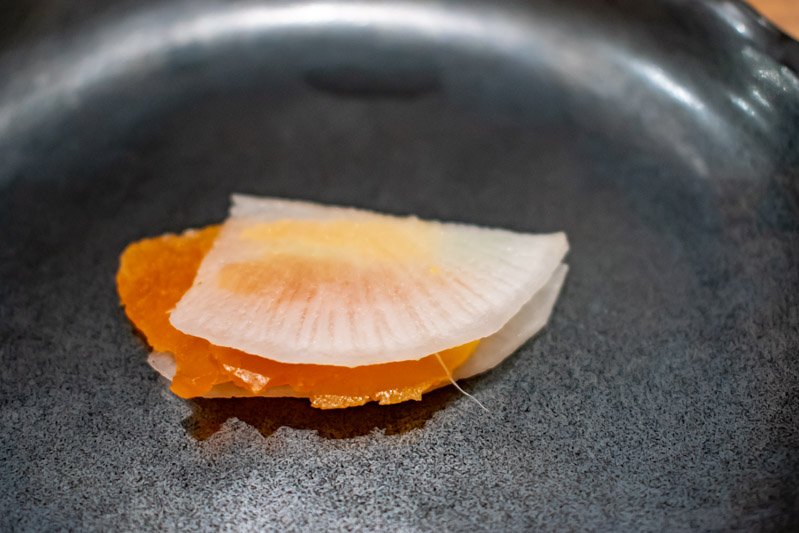
The Karasumi Daikon With Menegi is something unusual. Two thin slices of daikon (radish) sandwich a layer of karasumi (dried and salted mullet roe) and menegi (spring onion sprouts). My tastebuds didn’t quite know what to make of this, and it’s a dish I wouldn’t really miss.
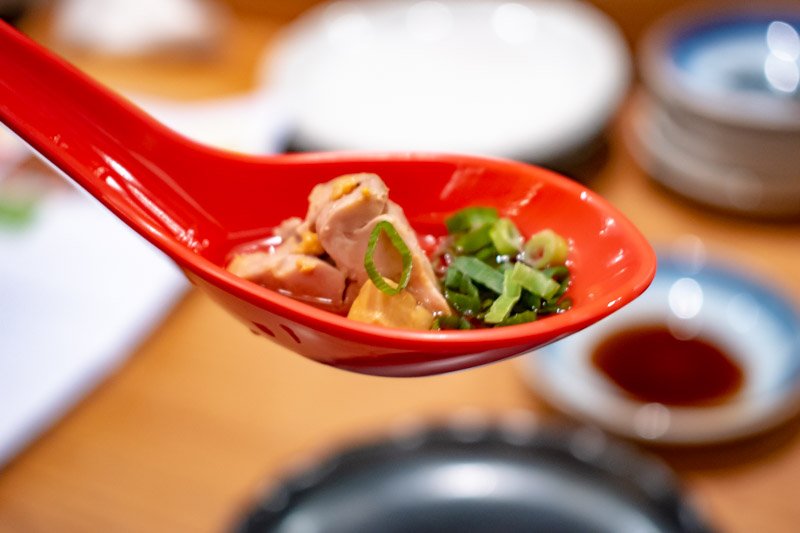
What I looked forward to was the fresh Ankimo (monkfish liver). Some people call it the ‘foie gras of the sea’, and it’s not hard to imagine why. Rich and creamy, yet at the same time delicate, each bite was a silky, velvety caress on the palate.
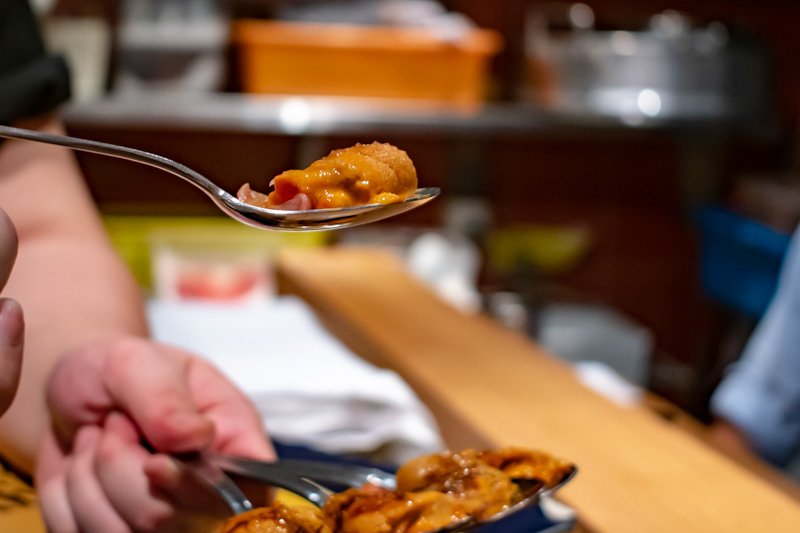
Open wide for a spoonful of akagai (arkshell) topped with uni (sea urchin). Sweet and toothy, the akagai helped to ground the creamy uni which threatened to melt away instantly.
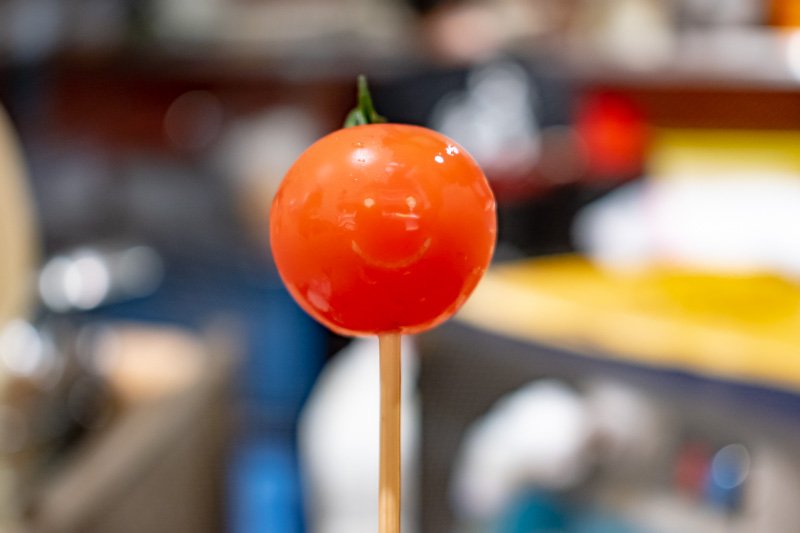
Have you seen a more adorable palate cleanser? Served on a stick, Happiful Tomato comes from Shizuoka’s Marutaka Farm. After five years of research, the resulting tomatoes are imprinted with the signature smiley face.
It’s tart, refreshing and bursting with juices—sure to put a smile on your face, too.

Ready for more? The Beef With Brussels Sprouts was delightful, and came with chopped nuts and black pepper sauce. The more I chewed on the wagyu, the more I could taste the fats—this rest of this well-marbled beef was pretty lean, so jaw-work is definitely needed.
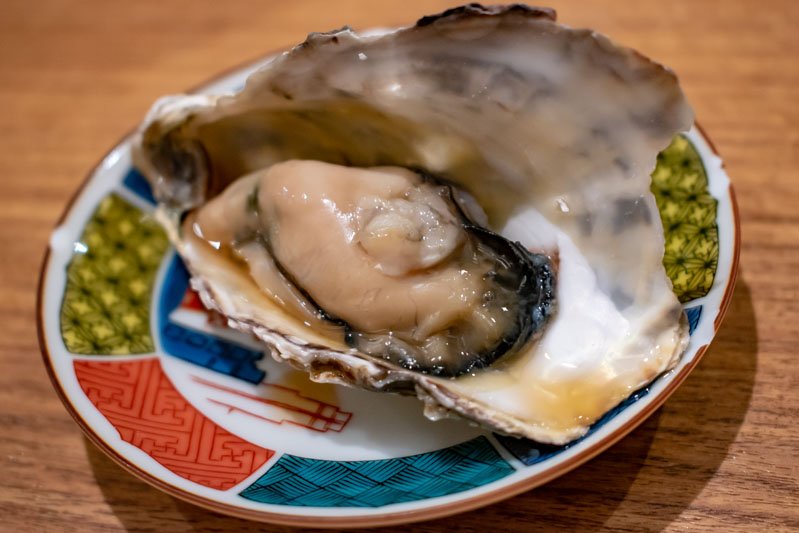
My dining companion wasn’t a fan of oyster, so I was really lucky because she passed me her portion of Hiroshima Oyster With Ponzu Sauce. Creamy and oceanic, the baked oyster went really well with the tangy ponzu.

The next dish was quite interesting: Lotus Soup With Cha Soba. I suspect not everyone would be a fan, as the lotus soup was grainy (much like the texture of thick green bean soup).
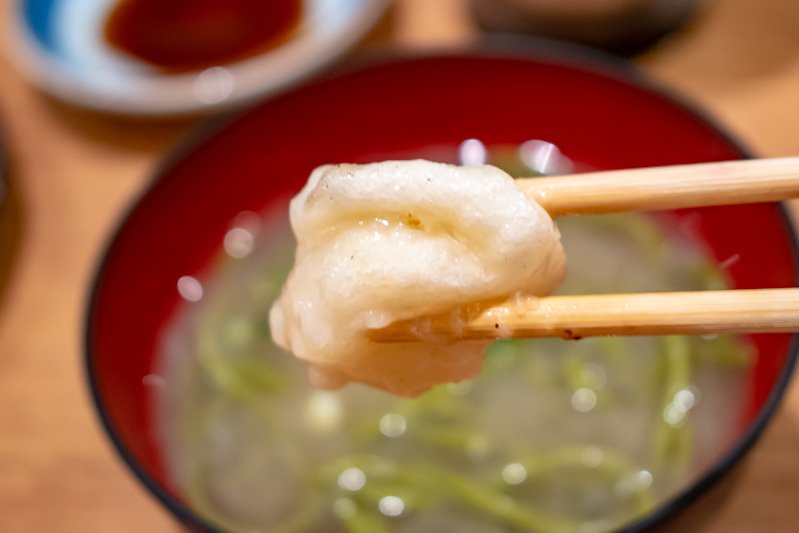
This dish came with a piece of chewy fried mochi, and I couldn’t resist nibbling on it as I slurped up the cha soba.

Bite into the super sweet strawberry from Shizuoka prefecture to ready your palate for the main course.
Diners can choose from five options: Unagi Chazuke, Wagyu Beef Fried Rice, Uni Fried Rice, Sashimi Rice Don or 4 Kinds Of Sushi. If you’re feeling stuffed at this point, go for the assorted sushi.

Of course, I couldn’t resist the siren call of succulent, fatty wagyu, so I went straight for the beef fried rice. Generous amounts of egg made for “wetter” fried rice, and bits of seaweed added umami flavour to the dish.

The wagyu beef cubes were truly heavenly—juicy, tender and buttery with just the right amount of melt-in-mouth fats, I just couldn’t get enough. They even served bits of wagyu beef fat on the side if you really want to indulge.

End the meal with ice cream (if you still have stomach space). There’s Green Tea, Sesame and Yuzu, and any of the three would do nicely as dessert.
Teppei Japanese Restaurant never fails to impress with its spectacular spread, and for the price point of S$80++ (soon to be S$90++ in March), it’s a steal.
I’m already making plans for a return visit, hopefully before the prices go up.
Expected Damage: S$80++ per pax (until end of February 2020), S$90++ per pax (from March 2020 onwards)