 Malaysia
 Singapore
 Thailand

Welcome back to my best-rated series. This time, I decided to step out of my comfort zone and try something I’d never heard of till a few days back— lei cha. Some of you may call it thunder tea rice while others call it pounded rice tea. Me? Well, I’ll call it a very green dish.
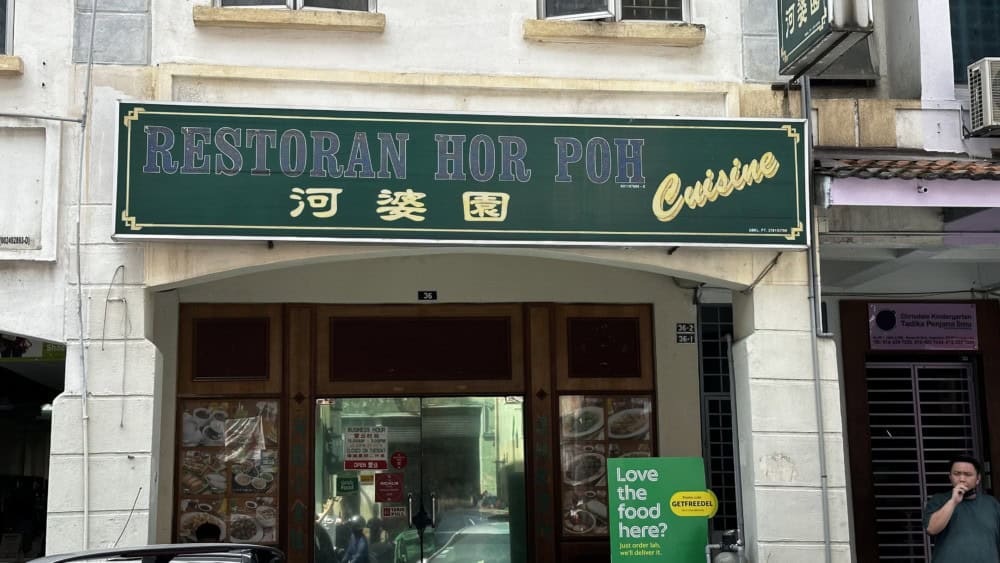
While doing my research I stumbled upon Restaurant Hor Poh Cuisine in Segambut, KL which has a total of 828 reviews and has received 4.3 stars out of 5 on Google reviews (at time of writing). What surprised me the most was that this restaurant was featured in the 2024 Michelin Guide.
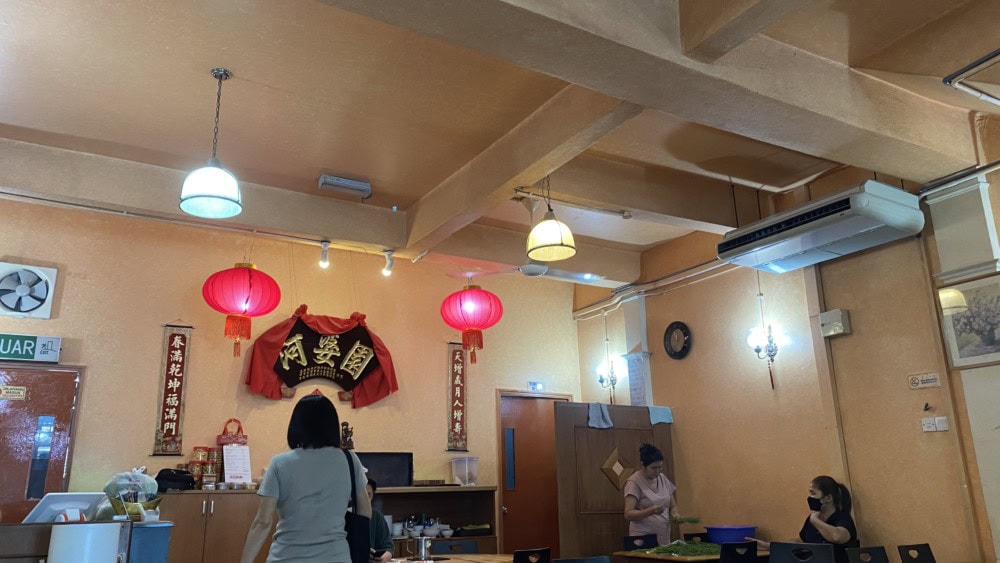
As soon as I stepped into the restaurant, a delightful scent of fresh herbs greeted me, signalling a promising start. The interior of the restaurant belies its shop lot exterior, as it’s decorated with warm brown wood walls and patrons sit around cosy Chinese-style round tables. It felt as if I were transported 60 years back in time, ordering meals at half the price of what they are now.
What I tried at Restaurant Hor Poh Cuisine

There was only 1 dish on my agenda today— Hor Poh Lei Cha (RM15). To be frank, I was very afraid of not liking it. Why? Because I’m not a big fan of vegetables (sorry, Mum). But I’d already made my mind up to go try it, and there was no turning back now.

When the auntie arrived with my bowl of Lei Cha, I saw that she was holding a gigantic teapot of green tea soup as well. At this point, I figured she was going to directly pour the soup into the bowl of Lei Cha, but thankfully it went into a smaller bowl instead. Phew!


Upon inspection, the components of the Lei Cha were humongous, with generous servings of peanuts, greens, fried bean curd, and rice. I couldn’t pinpoint what else was in the bowl, but boy, were there a lot of greens.

Before mixing everything, I had a taste of the most vital component— the green tea soup. Immediately, the aroma of freshly-ground green tea hit my nose as I lifted a spoonful of it to my lips, and I was greeted with a rich, flavourful taste. Slightly bitter and sweet, with a hint of tea leaves and roasted peanuts, I would have gladly enjoyed the tea soup as a standalone dish.
Chuan Kee Restaurant: Kopitiam with long lines for chicken rice but serves average char kuey teow

I then incorporated everything together before adding in the soup. As the saying goes, it’s better to add than subtract, so I only put in 2 spoonfuls. With a deep breath, I took a bite.

I was surprised, to say the least. Each bite was like a weighted punch of different tastes, congealed with the hearty texture of the green tea soup. To me, it tasted very earthy and nutty. Was it a taste I was accustomed to? Definitely not, but it wasn’t so bad either. As I continued eating, I noticed a very piquant taste— it was a combination of subtle sweetness and bitterness which I believe originates from the soup.
After 10 spoonfuls, I threw in the towel. It wasn’t because I didn’t like it per se, but because the flavours had become too overwhelming for me. Lei Cha truly symbolises the phrase “more than the sum of its parts”, as I no longer saw the Hor Poh Lei Cha as a mere bowl of vegetables as I attempted to devour the gigantic portion.
Final thoughts
Overall, I would say my 1st experience with Lei Cha was positive. I can see why some find it either appealing or not to their taste. Personally, while I wouldn’t seek it out again, I wouldn’t mind enjoying a bowl from time to time.
The popularity of Lei Cha was evident at Restaurant Hor Poh Cuisine, as nearly every diner seemed to have a bowl alongside their beverages. Therefore, if you’re looking to try Lei Cha, I suggest paying this restaurant a visit.
People also read: