 Malaysia
 Singapore
 Thailand

I have always liked home projectors. They remind me of the dinosaur age (hello, my name is Rex) when I was in school and teachers used those gigantic overhead projectors for lessons. The modern home projector, though, is much sleeker, more versatile and handles colours, contrasts and lighting conditions much better. But how do you choose the best home projector?
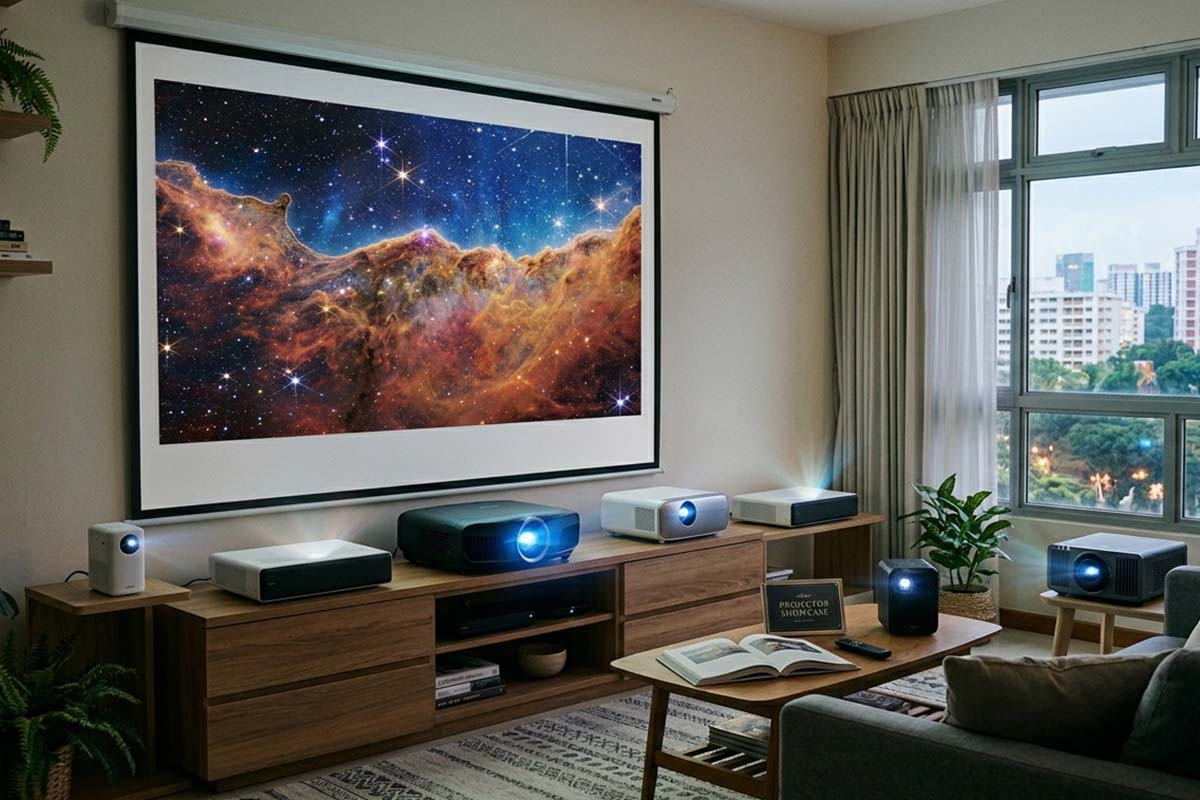
If you don’t want to spend on a big screen TV but still want the huge display, a home projector is the very affordable answer. One of my friends has replaced all the TVs in her home with projectors, saving thousands of dollars along the way, and without compromising on video display size. Want to join her? Here are 7 simple steps to choosing a home projector for the average Singaporean home, whether you live in a HDB flat, condo or the Istana.
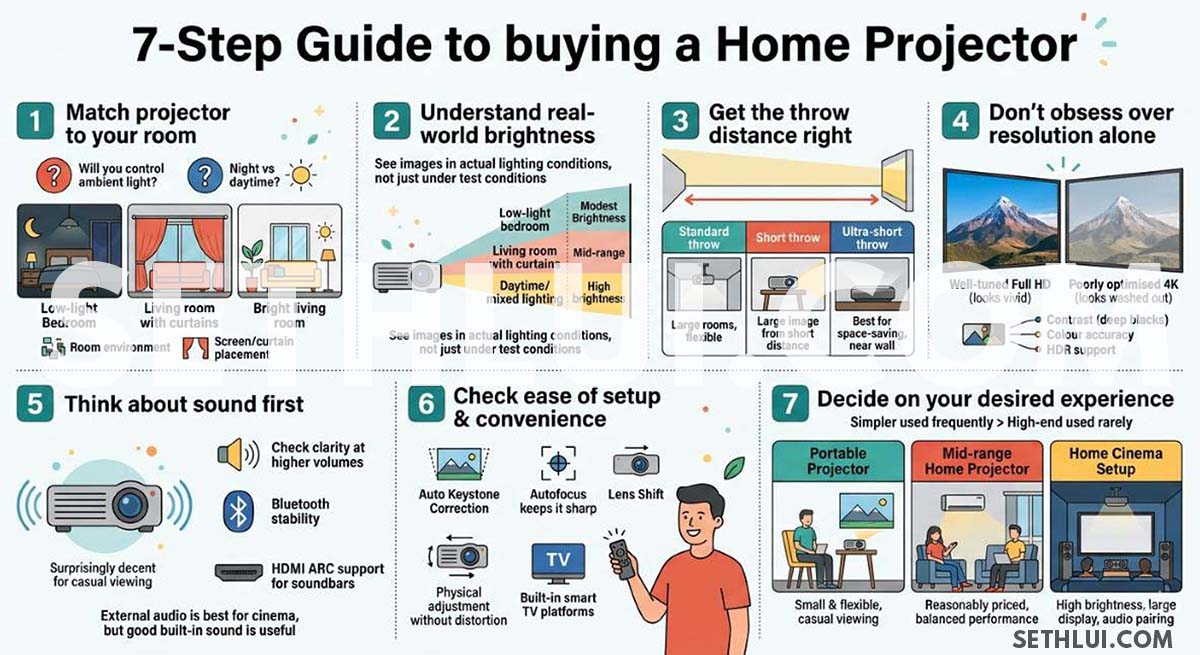
How to choose a home projector in 7 simple steps
| Consideration | Key question | What to look for |
|---|---|---|
| Room environment | Where will you use it most? | Ambient light control, curtains, screen placement |
| Brightness | How much light will the room have? | ANSI lumens, perceived brightness in real use |
| Throw distance | How far is the wall/screen from the projector? | Throw ratio, short-throw vs standard throw |
| Image quality | How sharp and colour-accurate do you need it to be? | Resolution, contrast ratio, HDR support |
| Audio setup | Will you rely on built-in speakers? | Speaker wattage, Bluetooth/audio output options |
| Setup flexibility | How easy is installation and adjustment? | Keystone correction, lens shift, auto focus |
| Budget & usage type | What experience are you actually aiming for? | Portable vs cinema-grade vs hybrid smart projector |
You can download and keep this image to help you choose a home projector for the typical Singapore home or even an office:
Step 1: Match the projector to your room, not the other way around
I know from personal experience that fancy marketing photos and videos can convince you that one particular brand or model is better than all the rest. However, buying a projector and building your viewing room around it is a mistake.
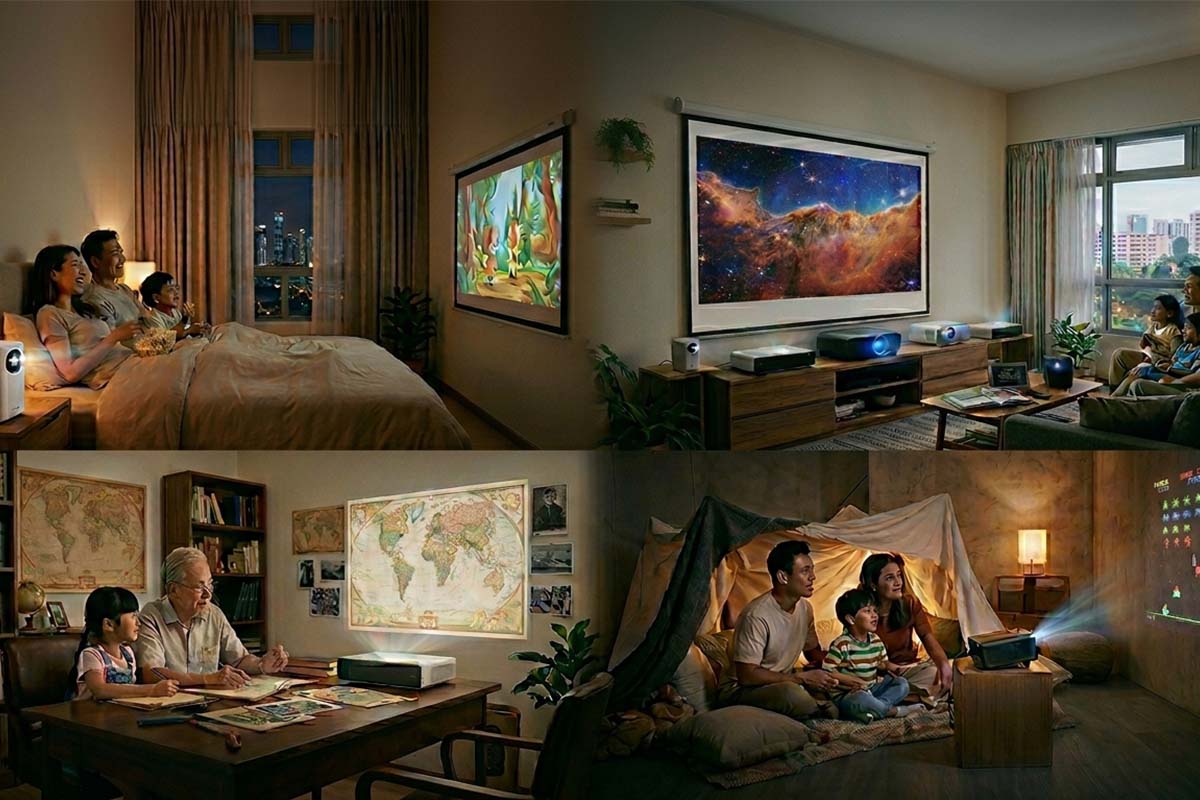
A naturally dark bedroom behaves very differently from a bright living room with floor-to-ceiling windows. In low-light environments, most decent projectors can perform well but, for brighter spaces, even expensive models can look washed out if they’re not bright enough or properly positioned.
Before looking at any particular model, ask yourself these 3 questions:
- Will you be able to control ambient light?
- Is this for night viewing only or daytime use also?
- Do you have a fixed wall/screen or a flexible setup?
Your answers will help you decide on the projector class you should buy for your specific use in the home.
Step 2: Understand brightness in real-world terms
When I first started reviewing tech, I was obsessed with tables and numbers. What I’ve learned along the way is that the fine print that reads something like “under test conditions” makes all the difference. Before you buy, see for yourself in the showroom what images look like in actual lighting conditions similar to your intended room placement.
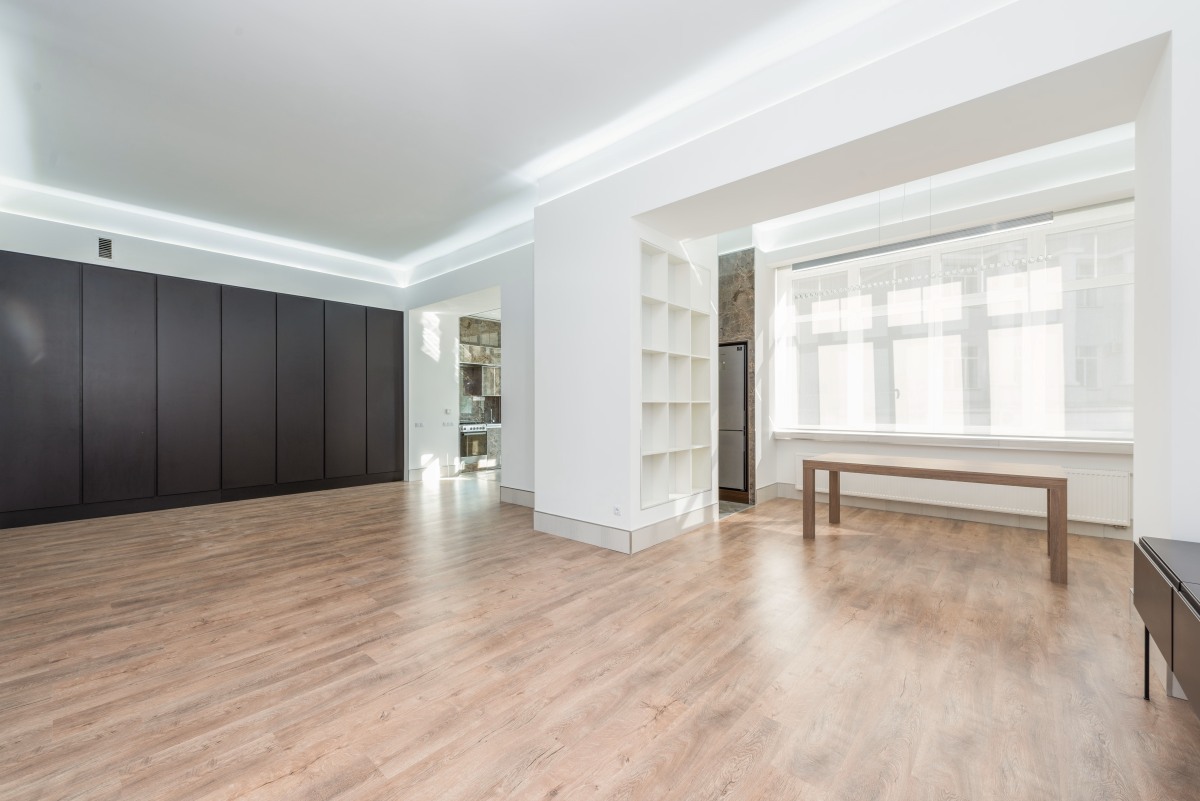
As a rough guide:
- Low-light bedroom viewing: modest brightness is sufficient
- Living room with curtains: mid-range brightness is needed
- Daytime or mixed lighting: high brightness becomes essential
If you’re unsure, it’s usually safer to go slightly brighter than you think you need. A projector that is too dim cannot be ‘fixed’ without changing the environment.
Step 3: Get the throw distance right
Throw distance is the space between the home projector and the surface where the images are displayed. Space is at a premium in most Singapore homes, so throw distance is very important.
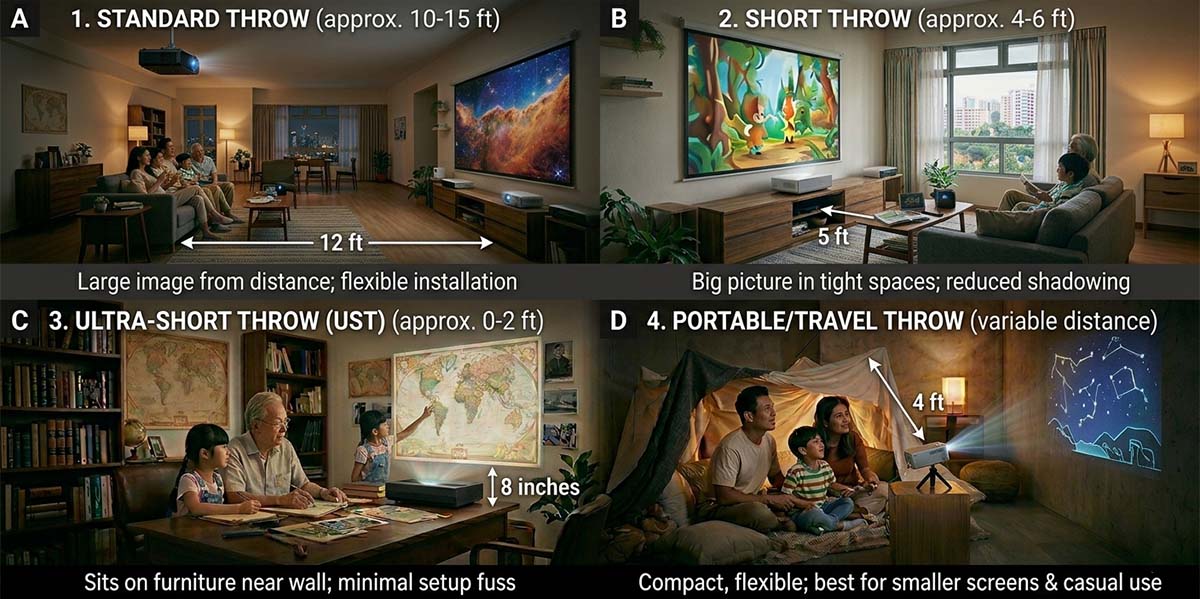
There are 3 general categories of throw distance for home projectors:
- Standard throw: needs more distance, flexible for large rooms
- Short throw: produces a large image from a short distance
- Ultra-short throw: sits near the wall or screen
- Portable projectors are the most versatile of the lot and can adapt more widely
Ultra-short throw is generally the best for a space-saving setup. Otherwise, you may have to install the projector on the ceiling, and that can be an added expense. I have seen setup mismatches where the room layout meant the projector wasn’t powerful enough to display images vividly, or that required cumbersome middle-of-the-room installation.
Step 4: Don’t obsess over resolution alone
Here is what I meant when I spoke of my previous overemphasis on device specs. Resolution matters, but it is not the only indicator of image quality.
A well-tuned Full HD projector can sometimes look better than a poorly optimised 4K unit. These are some other factors to consider because they will affect your home projector viewing experience:
- Contrast (how deep blacks look)
- Colour accuracy (natural vs oversaturated tones)
- HDR performance (especially for streaming content)
If you mainly watch Netflix or YouTube, a balanced image often feels more important than raw pixel count.
Step 5: Think about sound before you assume you don’t need it
Many people assume they will always use external speakers, and then never actually set them up. So, it’s an advantage if your home projector comes with speakers. However, in my experience, built-in projector speaker quality varies wildly. Some are barely usable, while others are surprisingly decent for casual viewing.
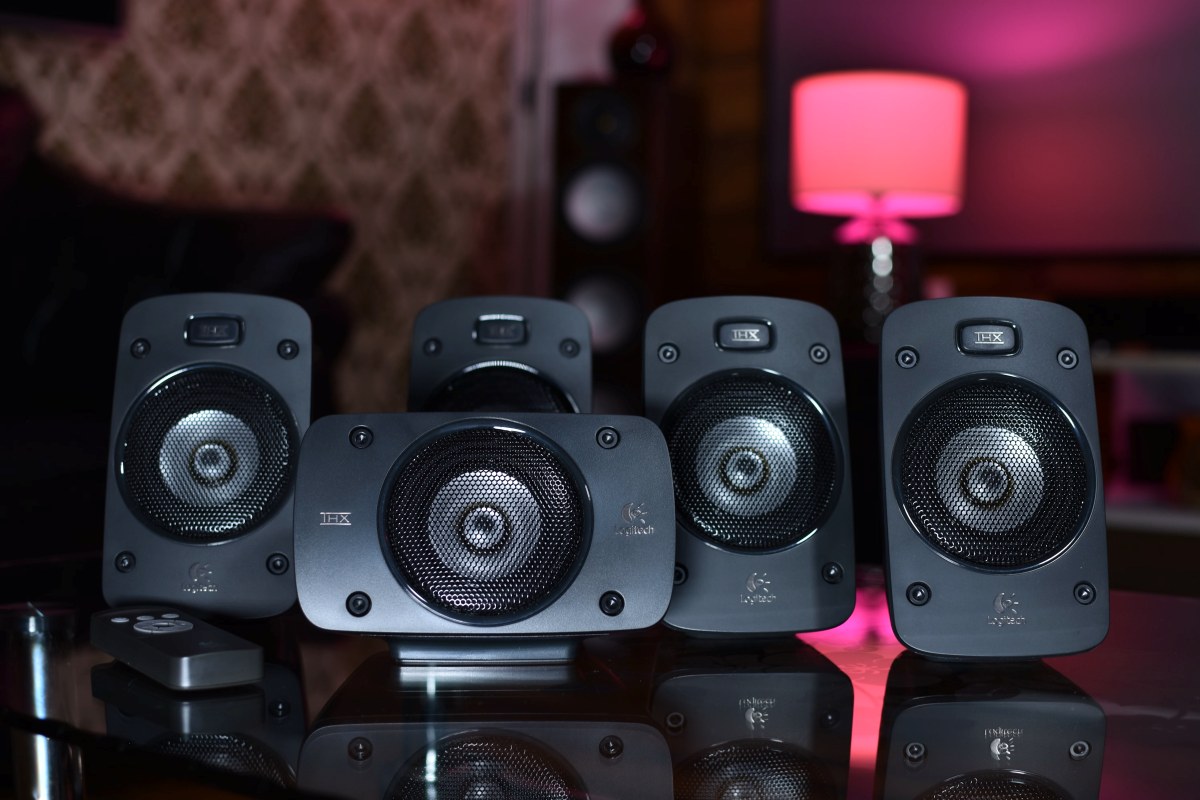
When you are at the showroom, ask the staff to demonstrate:
- Speaker clarity at higher volumes
- Bluetooth output stability
- HDMI ARC support if connecting to soundbars
I always take a hard drive with me, containing some of my favourite movies, and ask them to play a scene that I am familiar with already. It helps me distinguish between the sound (and images) I already get at home, and those produced by the home projector (or TV, etc.) I am interested in buying.
If you want a true cinema feel, external audio makes a huge difference, and good built-in sound is useful for quick setups.
Step 6: Check how easy it is to set up and live with
A projector that takes 20 minutes of fiddling every time quickly becomes annoying in daily use.
Useful features include:
- Auto keystone correction (straightens the image automatically)
- Autofocus (keeps the picture sharp when moved)
- Lens shift (physically adjusts image without distortion)
- Built-in smart TV platforms (reduces the need to connect external devices)
If you plan to move it between rooms or use it casually, setup convenience matters more than small differences in image specs.
Step 7: Decide on the kind of experience you want
I have a friend who has completely abandoned large screen TVs in favour of home projectors and couldn’t be happier. She has installed 1 in her living room, and another 2 in the bedrooms. Instead of choosing a single model and buying 3 of them, she did the smart thing and applied all the rules above to find 3 different models, each suited to the unique lighting, size and use case for each room.
That’s the right way to go about choosing a home projector.
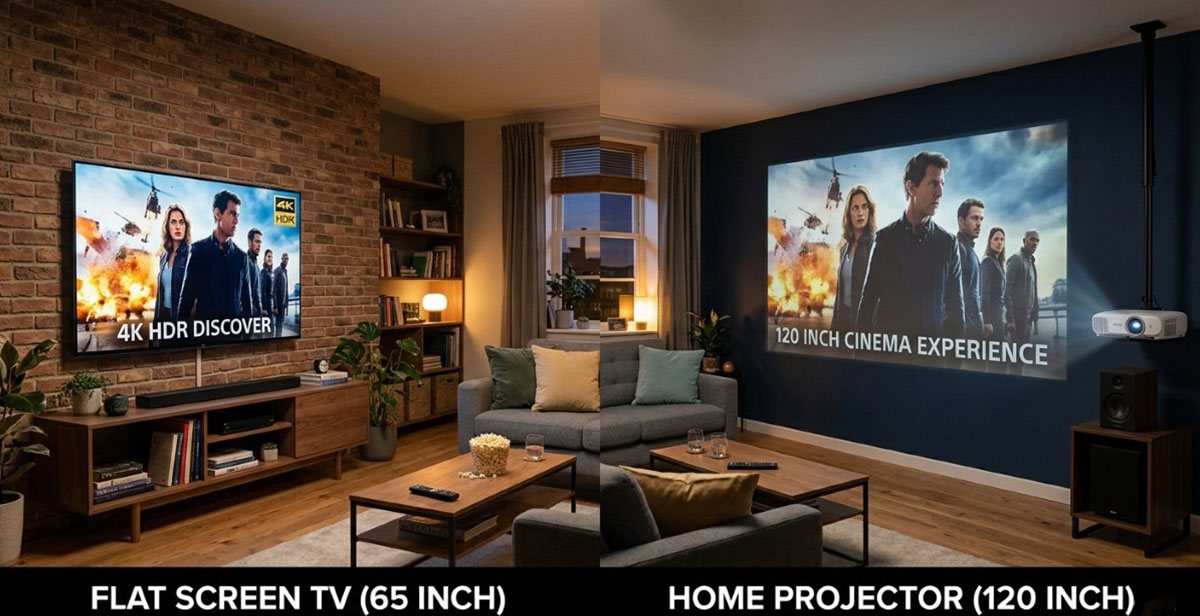
Projectors fall into very different usage categories:
- Portable projectors – small and flexible, these affordable home projectors are best for casual viewing and can be moved between rooms
- Mid-range home projectors – reasonably priced, these projectors offer balanced performance for regular movie nights
- Home cinema setups: movie buffs will appreciate the large display, high brightness and audio pairing, but will have to pay for installation
The right choice depends less on technical superiority and more on how often you’ll actually use it and in what setting. A simpler projector used frequently is often a better purchase than a high-end system that stays switched off because it takes too much effort to set up.
How to choose a home projector for your home or office
 Selecting the ideal display setup depends entirely on environmental constraints and usage frequency rather than raw technical specifications. Portable projectors are best suited for flexible, casual viewing across multiple rooms due to their lightweight design. For a balanced, reliable experience during regular family movie nights, mid-range home projectors offer the most practical compromise between performance and cost.
Serious movie enthusiasts who require maximum brightness and integrated audio pairings should invest in dedicated home cinema setups, provided they can accommodate the professional installation requirements. If you live in an HDB apartment and are managing tight layouts, ultra-short throw models are better than standard throw alternatives without the complication of ceiling mounting. Ultimately, the room’s layout dictates the long-term home projector use and value.