 Malaysia
 Singapore
 Thailand

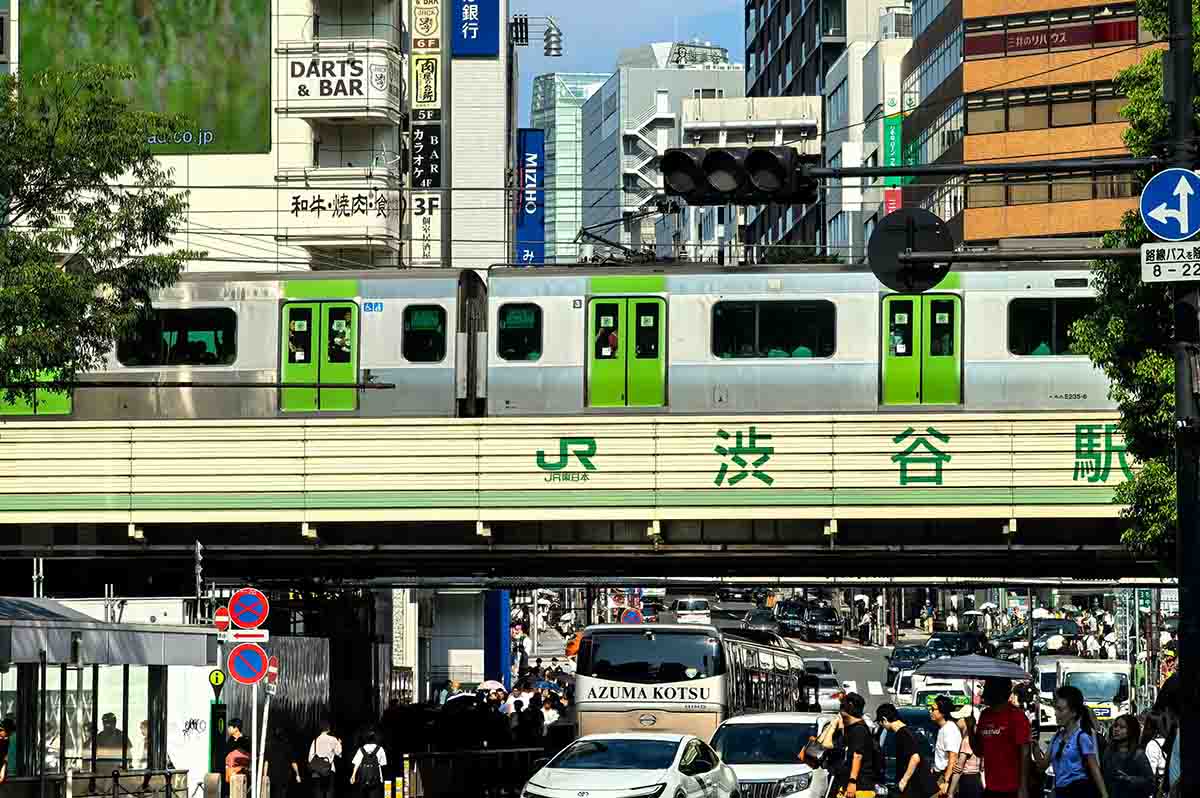
Have you always wanted to visit Japan, the Land of the Rising Sun, where ramen, sushi, anime, pachinko, await? The efficient and cleverly-designed train system of Japan makes navigating around the country very easy.
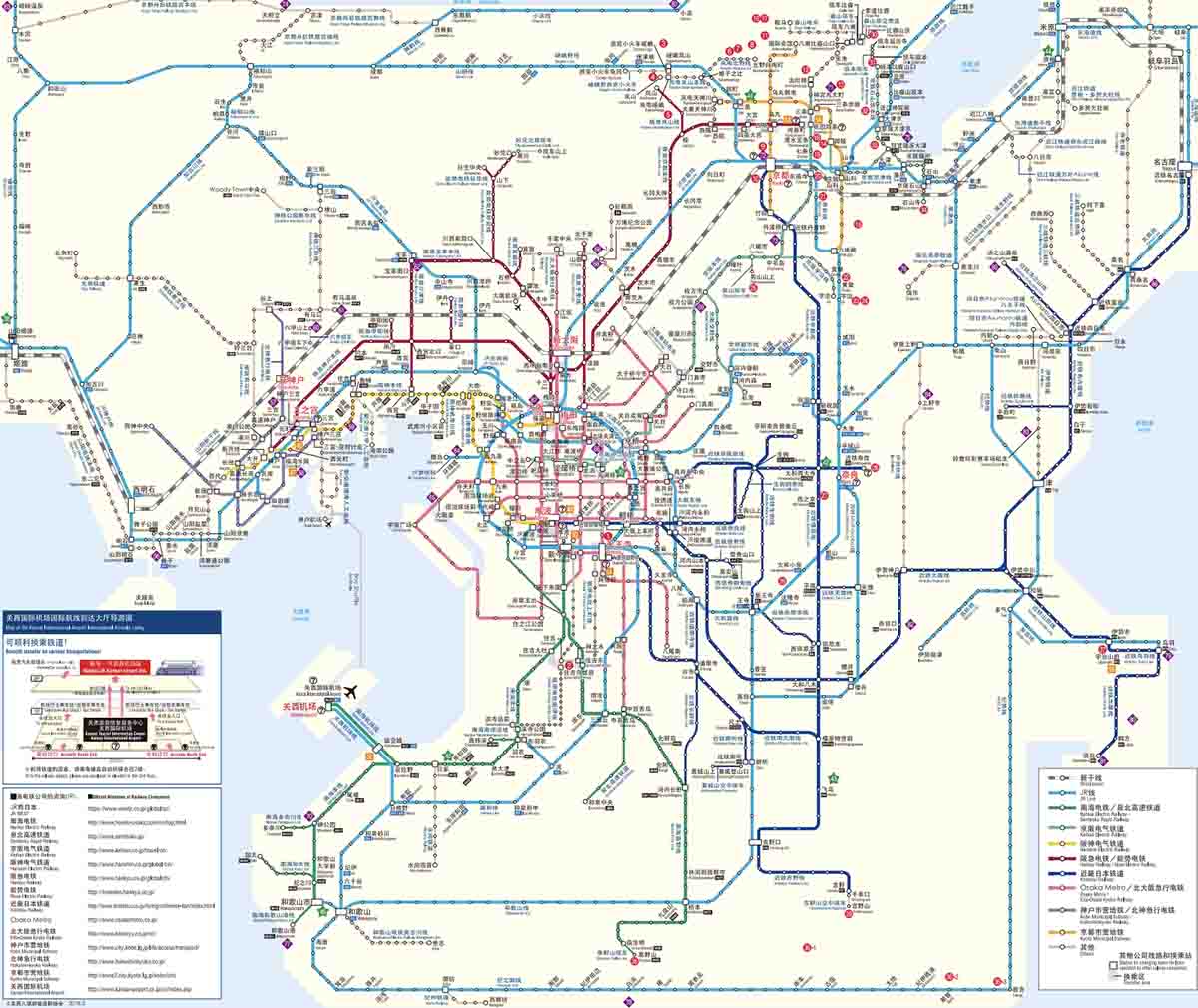
But let’s be real — for first-timers and even seasoned travellers like myself, just viewing the entire train map looks like an absolute nightmare (check out the picture above).
So, what’s the best or most cost-effective way to travel around Japan via trains? This article explores the various train passes and options available depending on which part of Japan you’re planning to explore. Stop your packing for just a minute, and read on to see what option is best for you.
What is the Japan Rail Pass good for?
Best for:
- Travellers taking multiple long-distance bullet train rides
- Long-distance local JR train rides
- Multiple drop-offs along the main lines.
Places to buy it: Strictly online
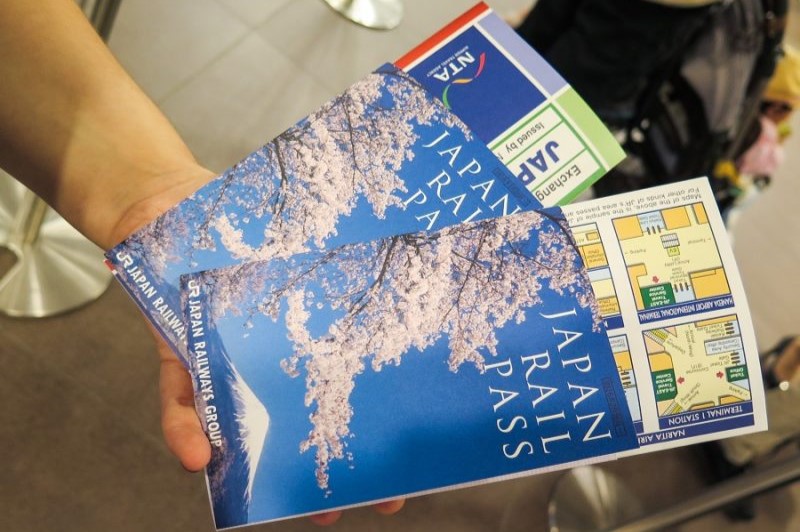
There’s one simple rule when it comes to the usage of the Japan Rail Pass — it’s only valid for tourists visiting Japan with a ‘temporary visitor’ status.
There are 3 types of passes available, ranging from 7 to 21 days. I explored the different websites from which you can purchase it, displayed the cost breakdown, and have compiled everything in the table (including links) below for your convenience:
Japan Nationwide Rail Pass
| Duration | Changi Recommends | Klook | JRPass.com | JTB Singapore |
|---|---|---|---|---|
| 7 days | Ordinary Car Adult (12+): S$413.45 Children (6–11): S$206.73 Green Car Adult (12+): S$578.82 Children (6–11): S$289.41 |
Ordinary Car Adult (12+): S$409.29 Children (6–11): S$204.65 Green Car Adult (12+): S$573.05 Children (6–11): S$286.50 |
Ordinary Car Adult (12+): S$424 Children (6–11): S$212 Green Car Adult (12+): S$593 Children (6–11): S$297 |
Ordinary Car Adult (12+): S$486 Children (6–11): S$243 Green Car Adult (12+): S$680 Children (6–11): S$340 |
| 14 days | Ordinary Car Adult (12+): S$661.51 Children (6–11): S$330.76 Green Car Adult (12+): S$909.58 Children (6–11): S$454.79 |
Ordinary Car Adult (12+): S$654.89 Children (6–11): S$327.45 Green Car Adult (12+): S$909.45 Children (6–11): S$450.25 |
Ordinary Car Adult (12+): S$678 Children (6–11): S$339 Green Car Adult (12+): S$932 Children (6–11): S$466 |
Ordinary Car Adult (12+): S$777 Children (6–11): S$389 Green Car Adult (12+): S$1,068 Children (6–11): S$534 |
| 21 days | Ordinary Car Adult (12+): S$826.89 Children (6–11): S$413.45 Green Car Adult (12+): S$1,157.64 Children (6–11): S$578.82 |
Ordinary Car Adult (12+): S$818.59 Children (6–11): S$409.29 Green Car Adult (12+): S$1,146.05 Children (6–11): S$573.05 |
Ordinary Car Adult (12+): S$848 Children (6–11): S$424 Green Car Adult (12+): S$1,186 Children (6–11): S$593 |
Ordinary Car Adult (12+): S$971 Children (6–11): S$486 Green Car Adult (12+): S$1,360 Children (6–11): S$680 |
In case you’re wondering, Green Cars are less crowded, have bigger seats with more leg room, and offer passengers enhanced boarding services.
Do note that from 1 Oct 2026, prices will increase.
Where can I use the Japan Rail Pass?
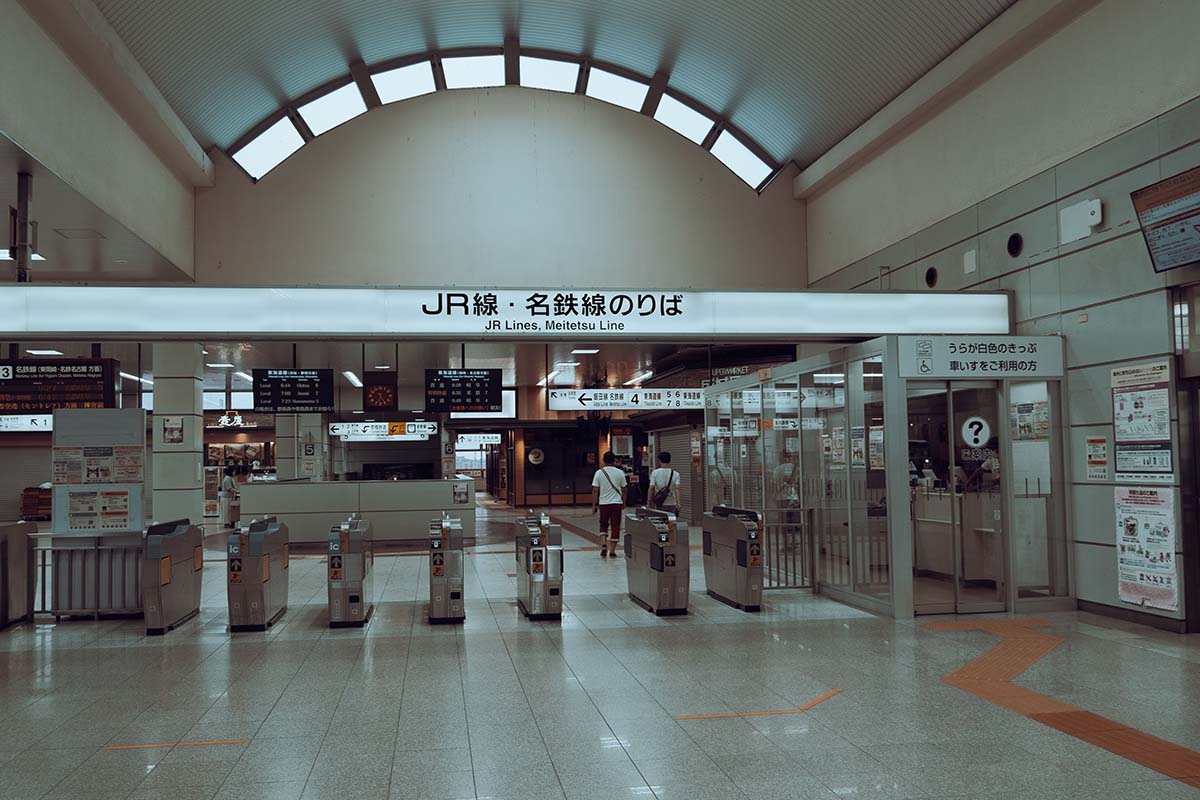
The Japan Rail Pass can only be used for the following:
- JR Japan railways — Shinkansen (except Nozomi and Mizuho bullet trains), limited express, rapid and local trains
- Tokyo monorail to/from Haneda Airport
- JR ferry to Miyajima (¥100 visitor tax not included)
- Certain non-JR trains to transit to remote JR lines:
– JR Ominato Line to the Shimokita Peninsula (Aoimori Railway between Aomori, Noheji and Hachinohe)
– JR Nanao Line to the Noto Peninsula (IR Ishikawa Railway between Kanazawa and Tsubata)
– JR Himi Line and JR Johana Line (Ainokaze Toyama Railway between Toyama and Takaoka)
– JR Kuzuryu Line (Hapi Line Fukui between Fukui and Echizen-Hanando) - Certain JR buses
Regional Rail Passes
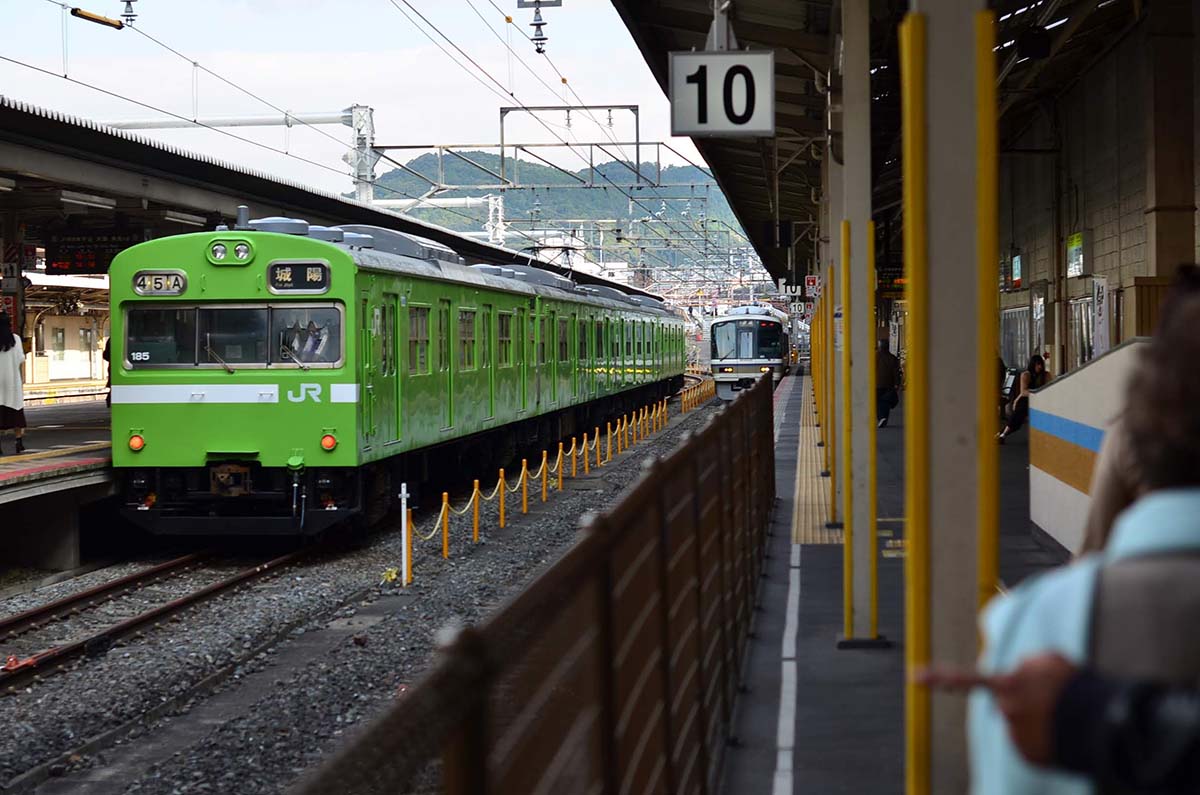
Unlike the Japan Rail Pass, Regional Rail Passes are more wallet-friendly and designed to be used for a single or multiple region/s.
Here’s a more in-depth breakdown:
| Type | Options | Area Covered |
|---|---|---|
| Regional Passes Central Japan | Takayama-Hokuriku Area Tourist Pass | Osaka, Kyoto, Nagoya, Kanazawa, and Toyama |
| Regional Passes East Japan | Hokuriku Arch Pass | Tokyo, Nara, Osaka, and Kyoto |
| Regional Passes West Japan | Hokuriku Arch Pass Kansai Area Pass Kansai Wide Area Pass Kansai-Hiroshima Rail Pass Kansai Hokuriku Area Pass Sanyo-San’In Area Pass Sanyo-San’In Northern Kyushu Pass |
Tokyo, Nara, Osaka, and Kyoto Kansai region (Kyoto, Nara, and Osaka) Haruka Express fr. Kansai Airport to Osaka and Nara, Tottori, Himeji, and Shingu Hiroshima, Himeji, Kyoto, Nara, and Osaka Okayama, Kansai and Hokuriku regions Himeji, Kobe, Okayama, Hiroshima, Fukuoka, Nara, Kyoto, Osaka Chugoku region, Northern Kyushu, Parts of Kansai Region |
| Regional Passes Hokkaido | JR East-South Hokkaido Rail Pass | Kanto, Tohoku, and Southern Hokkaido regions |
| Regional Passes Kyushu | Sanyo-San’in Northern Kyushu Pass | Chugoku, Northern Kyushu, and parts of the Kansai Region |
| Regional Passes Shikoku | Coming soon | Coming soon |
When to use Japan train tickets?
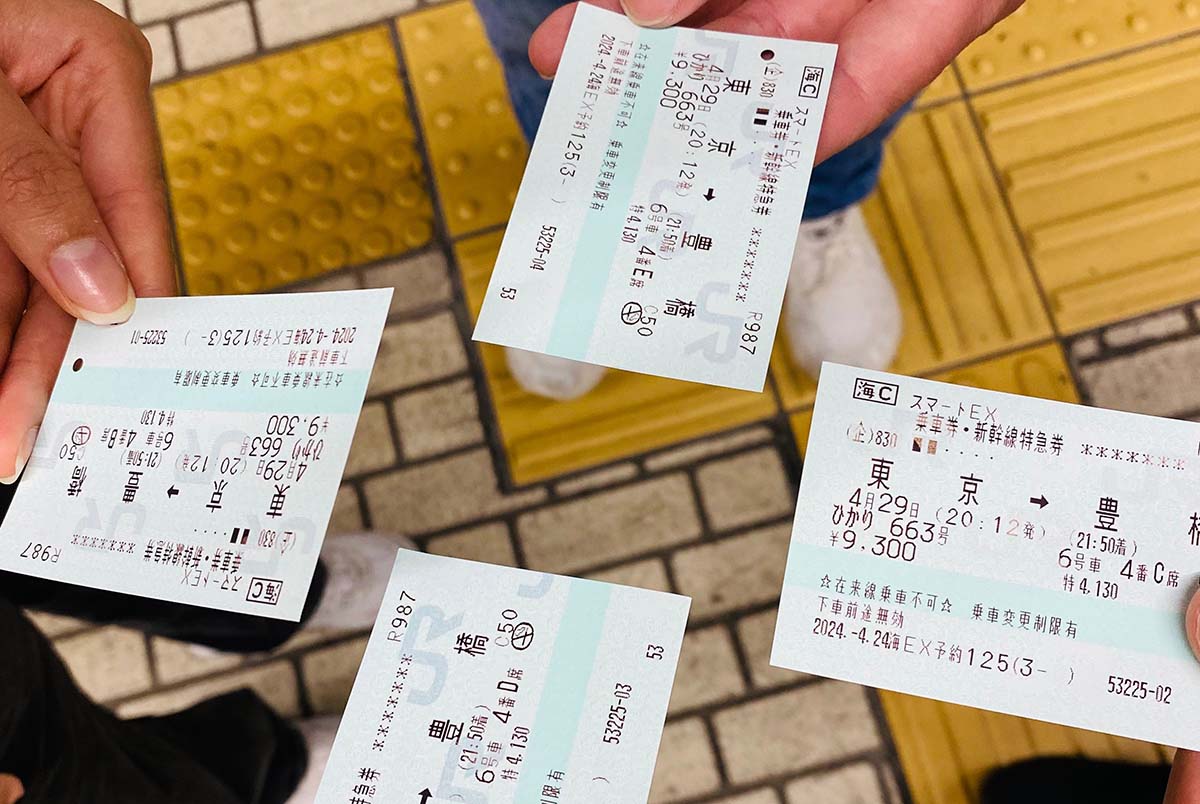
Best for:
- Short trips
- Those focusing on just one city
Places to buy it:
- JR ticket office
- Vending machines at stations
Besides being more cost-effective, this method also give you the flexibility to travel outside of the JR’s network.
| Train Type | Cost Range (Adult) |
|---|---|
| Local Subway | S$1 – S$2.30 |
| Narita Express (Narita Airport → Tokyo) | About S$16 |
| Haruka Express (Kansai Airport → Kyoto/Osaka) | About S$9 – S$11 |
What prepaid IC cards (Japan’s EZ-Link) are there in Japan
Just like the EZ-Link card in Singapore, Japan has not 1, not 2, but 10 types of IC cards that can be used. These cards not only allow you to take the trains, but also to make payments at various vending machines, shops, or restaurants. iPhone users can also use digital versions on their mobile phones.
In 2013, all these cards were made compatible with each other, so you don’t have to purchase multiple ones!
Suica
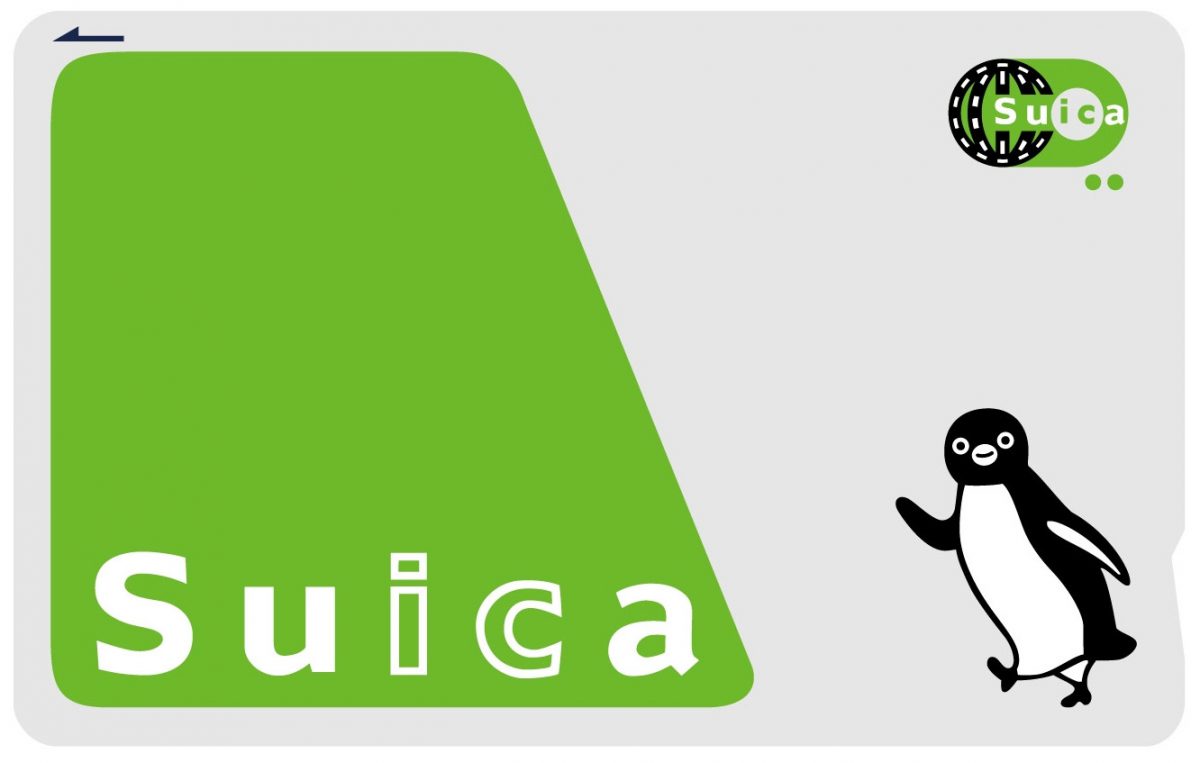
Suica by JR East is used for JR trains within the Greater Tokyo, Sensai, and Niigata regions.
Price: Requires ¥500 deposit + ¥1000 (around S$12)
Foreign toursits can also get their hands on Welcome Suica, an exclusive card for foreign tourists that’s only valid for a month. It’s available without a deposit fee, but refunds aren’t allowed. iPhone users can download the app, Welcome Suica Mobile, which allows you to use the card for 6 months instead.
Price: From ¥1000 (around S$8)
Icoca
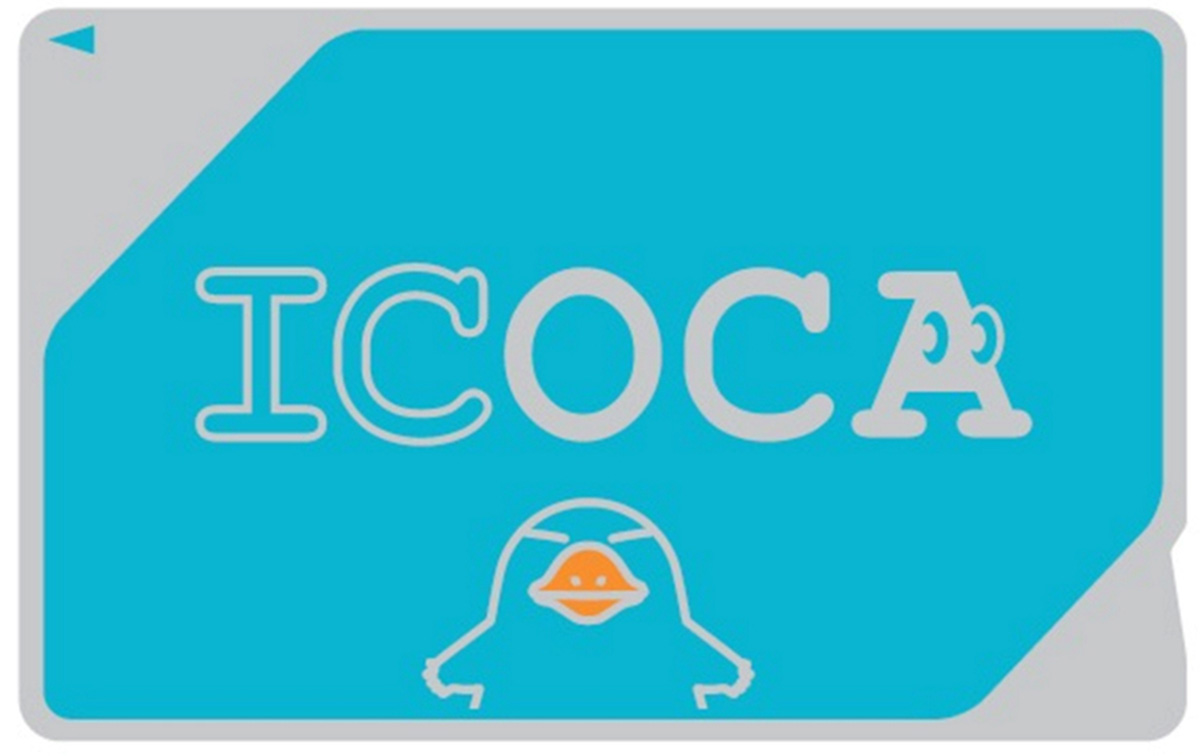
Icoca by JR West is used for JR trains within the Chugoku, Kansai, Osaka, Kyoto, and Hokuriku regions.
Price: ¥2,000 (around S$16) — ¥500 deposit + minimum ¥1500 travel balance
Pasmo
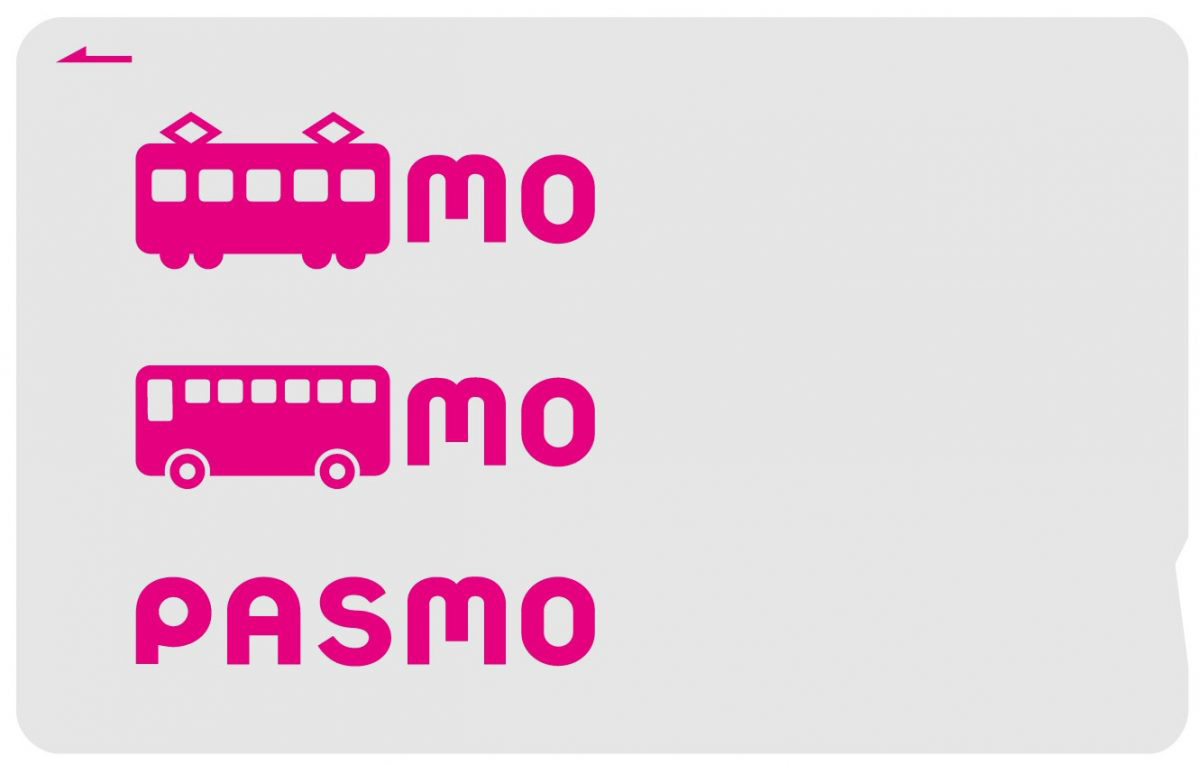
Pasmo can be used for Tokyo’s railway, subway and bus operators other than Japan Railways (JR). A “Tourist Pasmo” version, similar to Welcome Suica, targeting international visitors, is also available at Narita and Haneda airports.
Price: Requires ¥500 deposit + minimum ¥1,000 (around S$12)
Tourist Pasmo also available with no deposit required, valid for 28 days.
Price: Between ¥1,000 and ¥10,000 (S$8 – S$80)
Hayakaken
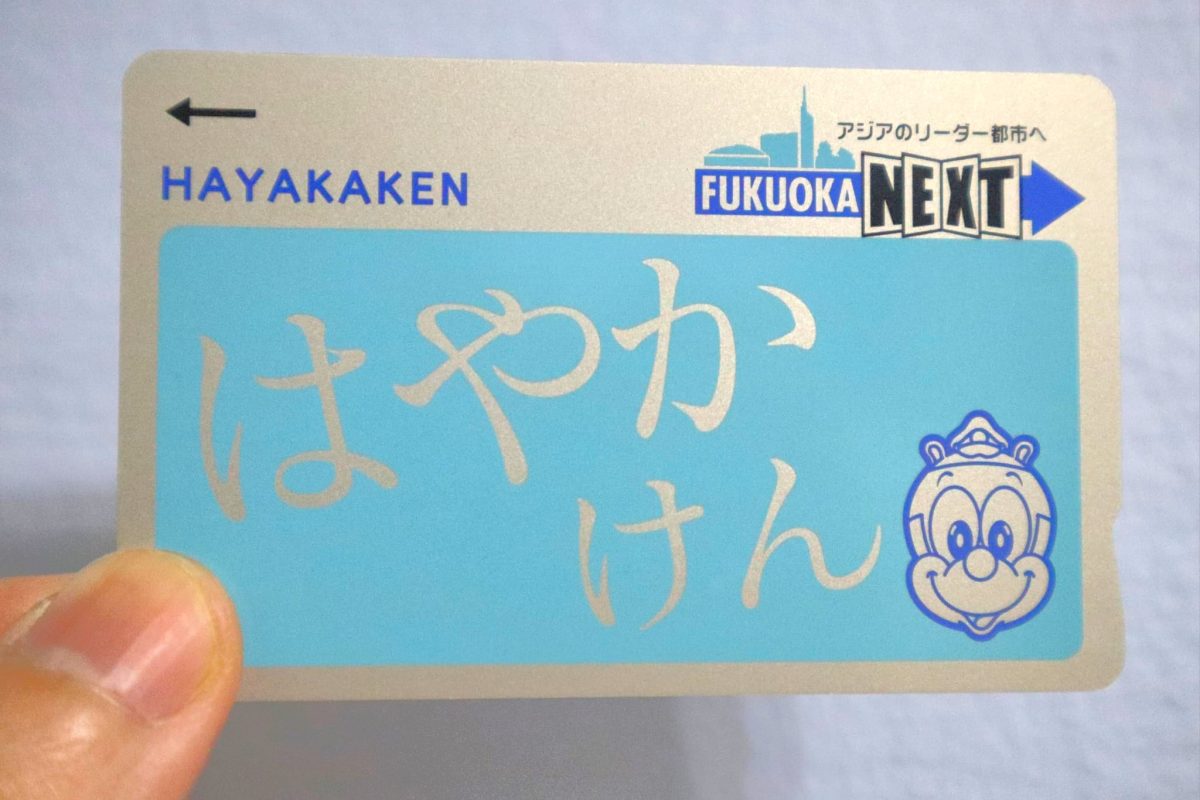
Hayakaken can only be used in Fukuoka for the Fukuoka Subway.
Price: Requires ¥500 deposit + minimum ¥500 (around S$8)
Other cards
| Card Name | Usage | |
|---|---|---|
| Nimoca | Nishitetsu for Nishitetsu trains and buses in Greater Fukuoka.
Certain non-JR transportation in other cities on Kyushu and in Hakodate. |
|
| Sugoca | JR Kyushu for JR trains in Nagasaki Greater Fukuoka, Kumamoto, Kagoshima, Oita and regions | |
| Kitaca | JR Hokkaido for JR trains in the Greater Sapporo region — includes Otaru, between Sapporo and Asahikawa, and between Hakodate and Shin-Hakodate-Hokuto Station.
Sapporo’s subways, buses and tram. |
|
| Toica | JR Central for JR trains in the Greater Nagoya area and some parts of Shizuoka Prefecture. | |
| Manaca | Nagoya‘s train, subway and bus operators other than JR and Kintetsu. | |
| Pitapa | Kansai region’s railway and subway operators other than JR.
Postpaid card, not available for tourists |
Do note that most cards range between ¥1,500 to ¥2,000 (S$12 to S$16), which includes the ¥500 deposit.
For a more in-depth explaination, click here.
People also read:
What food to try at Kuromon Market in Osaka?
Osaka’s 4-year Michelin-recognised tonkatsu has opened in Singapore, is it worth a try?