 Malaysia
 Singapore
 Thailand

In the past few days, the Nipah virus has gained significant attention from health organisations around the world, with news outlets reporting 2 confirmed cases in India since December. But what exactly is the Nipah virus, and is there reason to be concerned?
Nipah virus explained
According to the Communicable Diseases Agency Singapore (CDA), the Nipah virus (NiV) is a zoonotic virus, meaning that it is mainly transmitted from animals to humans. However, it can also be transmitted through contaminated food and, in some cases, human-to-human contact and bodily fluids.
Danger levels
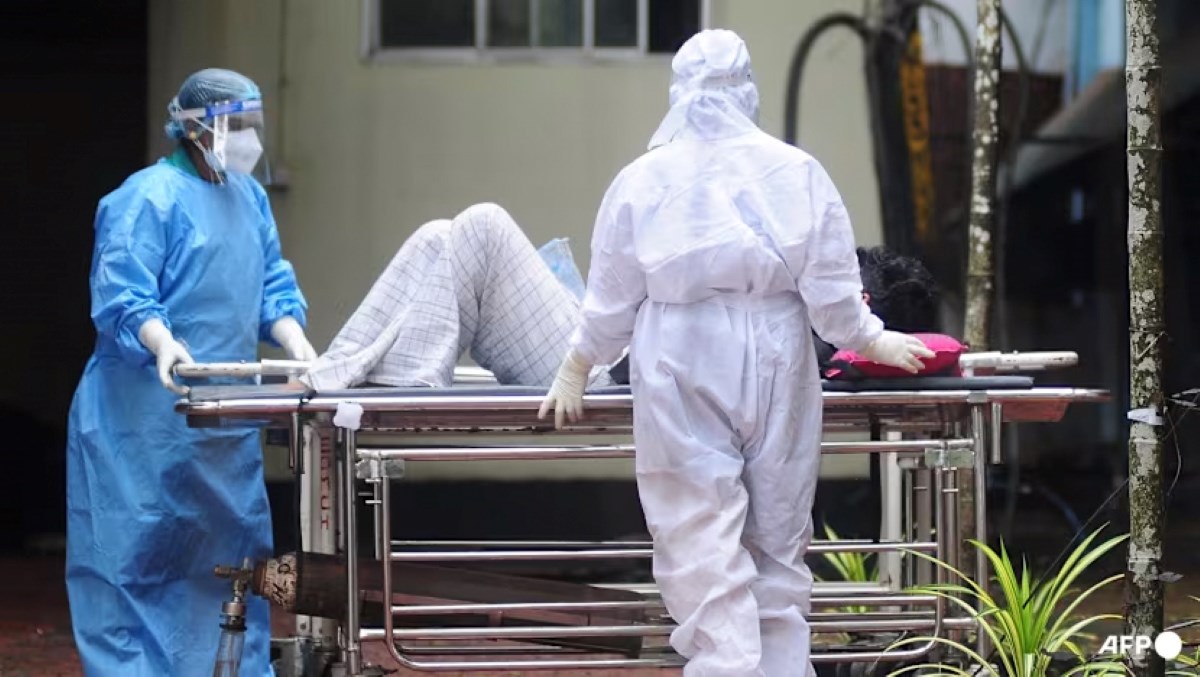
Nipah virus infections can have varying effects in people, ranging from no symptoms to mild symptoms to severe disease. In the worst of cases, it can even cause encephalitis, which is a dangerous form of brain inflammation.
Common symptoms also include fever, headache, vomiting, sore throat, muscle aches, dizziness, drowsiness. In severe cases, it may trigger seizures, which may lead to a coma within 24 to 48 hours.
NiV is considered a highly fatal illness, with a 40% – 75% fatality rate based on past outbreaks. Survivors may also experience long-term issues such as persistent seizures and personality changes. There are currently no known drugs or vaccines to combat NiV infections, with treatments limited to supportive care, such as rest and hydration.
Origins of NiV
The first human cases of Nipah virus were identified in 1998 and 1999 in Malaysia and Singapore, in Malaysian pig farms and workers who had handled infected swine. According to the National Centre for Infectious Diseases (NCID), there have been no new cases of the virus since.
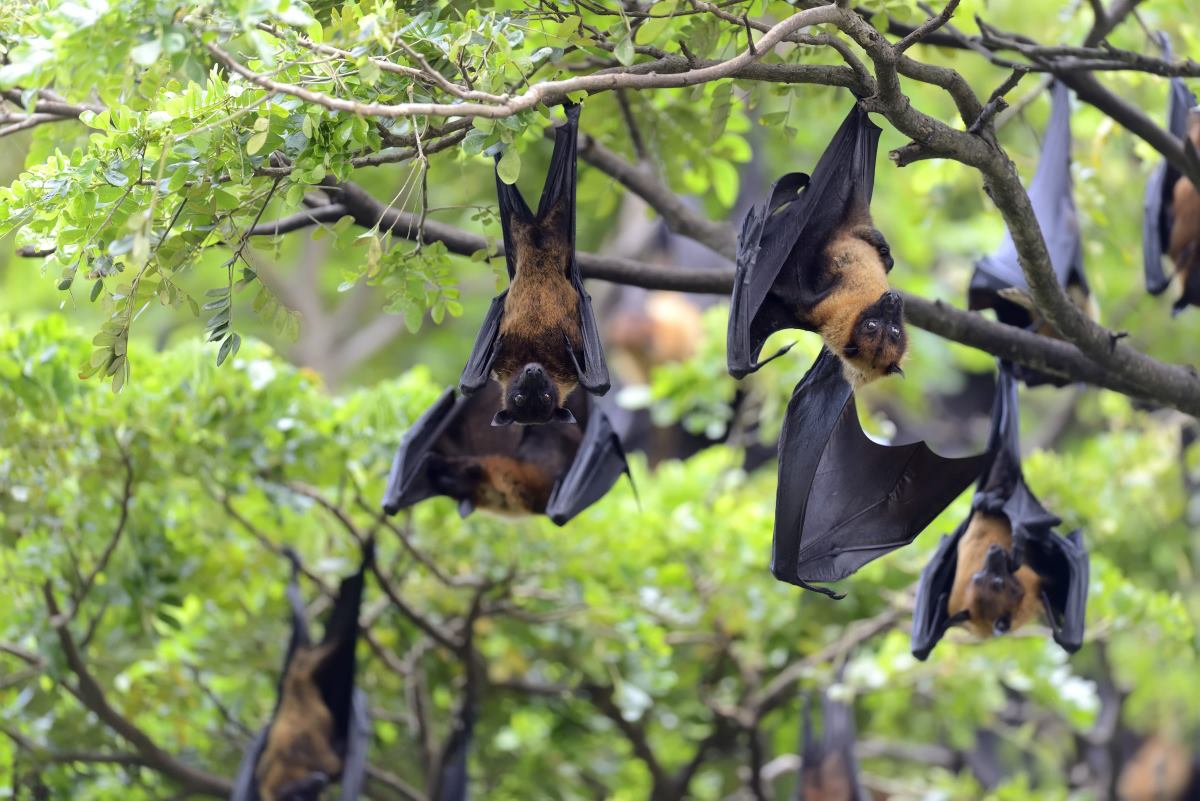
Fruit bats are known to be natural hosts of the Nipah virus, while pigs may serve more as an intermediate host for outbreaks in humans.
The latest string of confirmed NiV infection reports originates from West Bengal, India. The country’s health ministry stated that increased surveillance, testing and measures were put in place to contain the situation after 2 cases of infection were confirmed. Close to 200 contacts were successfully traced and all tested negative for the virus.
Preventions & precautions

In Singapore, vigilance has been enhanced, with medical practitioners and laboratories required to notify the CDA immediately of any confirmed or suspected NiV cases. Temperature screenings have also been set up at the airport for flights arriving from affected areas.
The Ministry of Manpower (MOM) will also boost surveillance of newly arrived migrant workers from South Asia and engage primary care providers to increase vigilance.
Currently, there is no reason to be worried about an outbreak of NiV, though precautionary measures are still recommended. For example, travellers are advised to practice good personal hygiene by washing hands frequently with soap and water and avoiding direct contact with animals such as bats and pigs.
Food and drink sources potentially contaminated by bats, such as raw date palm sap and fruit found on the ground, should also be avoided. It is recommended to consume food that is fully cooked, and fruits that have been washed and peeled.
Stay clean and stay safe.
Another $300 CDC Vouchers can now be claimed by Singaporean households