 Malaysia
 Singapore
 Thailand

Dim sum is often considered a sacred Chinese art, with recipes dating back centuries carefully passed down through generations. But we live in 2025 (soon to be 2026), and I think traditions should be upended so our taste buds can be diversified! That’s why I was so excited when I heard about Warung Dimsum, a Muslim-owned dim sum stall in Kedai Kopi Coffee Shop!
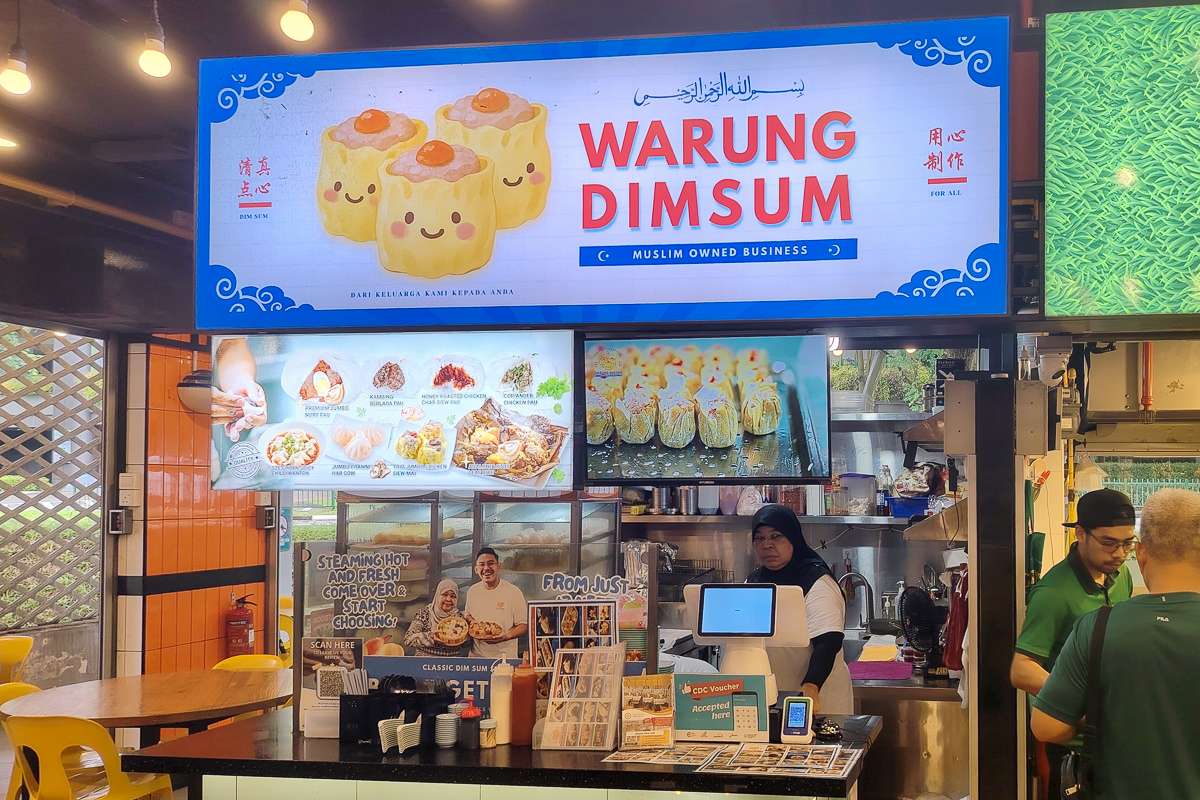
Warung Dimsum is located in Yishun, the mystical land of crazy people in Singapore. You can find it in a well-known coffee shop that specialises in Muslim food, located right behind the bus interchange. The stall is owned by a 23-year-old entrepreneur named Imran Mean, with his beloved mother manning the stall on most days.
As someone of Chinese descent, the prospect of trying dim sum made by Muslims was rather enticing. How does one take something so uniquely Chinese and tailor it for an alternative set of taste buds? What changed in the recipe, and what remained the same? What unique twists were there?
There was only one way to find out.
What I tried at Warung Dimsum
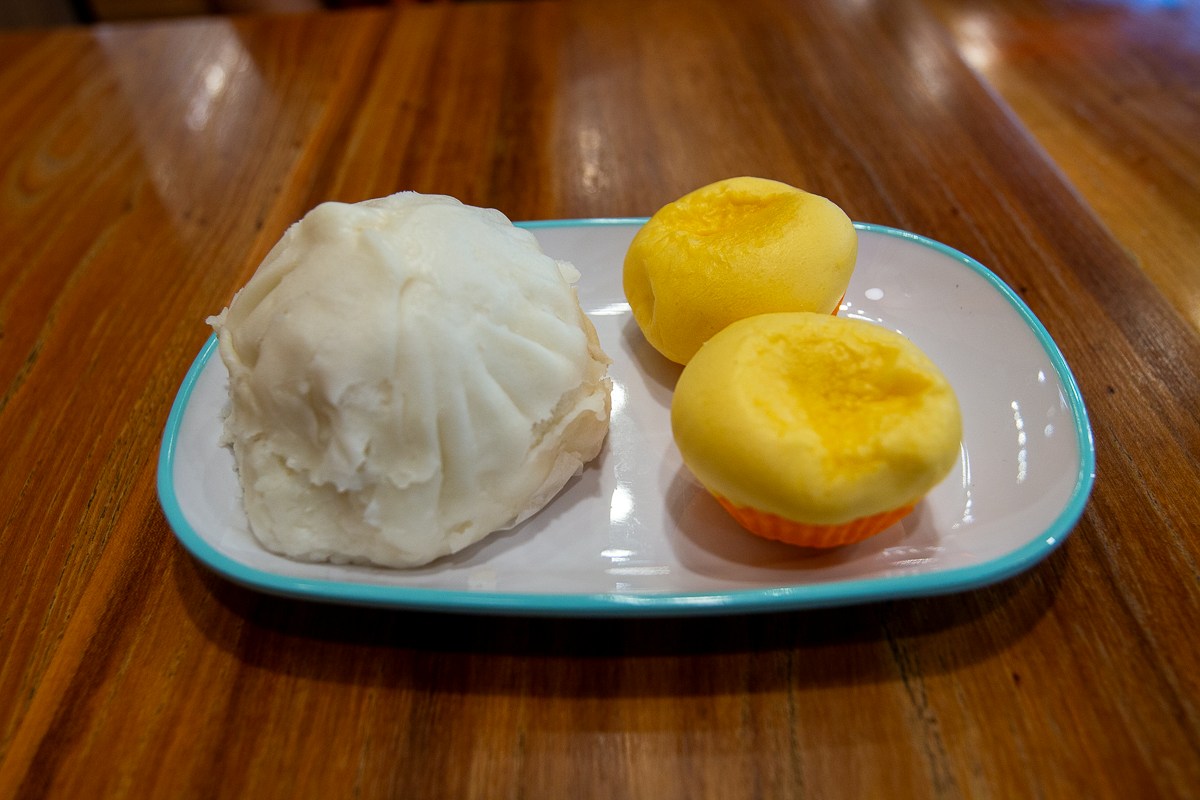
I began my journey of discovery with Warung Dimsum’s Chicken Pau (S$4) and Salted Egg Lava Pau (S$6 for 2 pcs), a pair of dim sum delights found in most hawker stalls and restaurants. I wanted to test how Warung Dimsum handled the basics before exploring their more unique offerings.
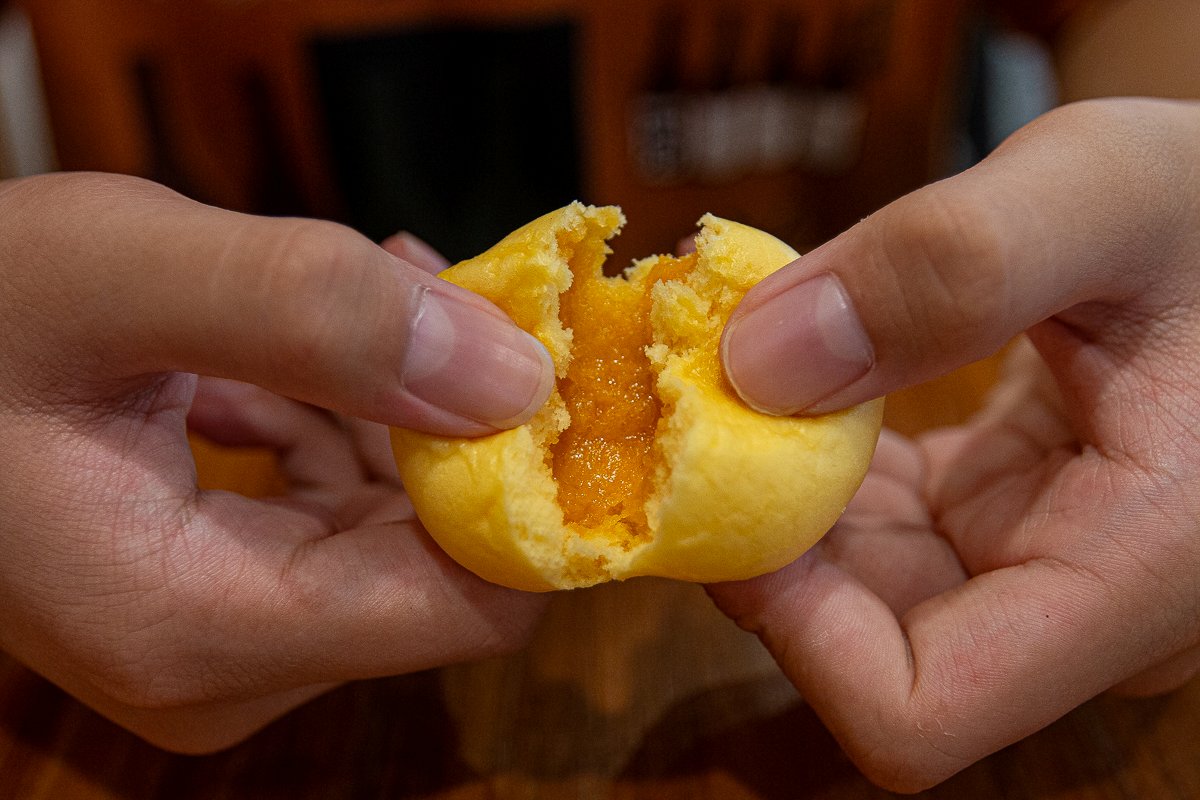
Both my dining partner (my little brother) and I were rather underwhelmed by the size of their Salted Egg Lava Pau. It was around the size of a cupcake you could get at somewhere like Twelve Cupcakes. I also found the buns to be slightly bruised and misshapen, with some dents on the outer bun. I’d wager this to be unintentional, as I observed the workers handling the dim sum carefully with tongs.
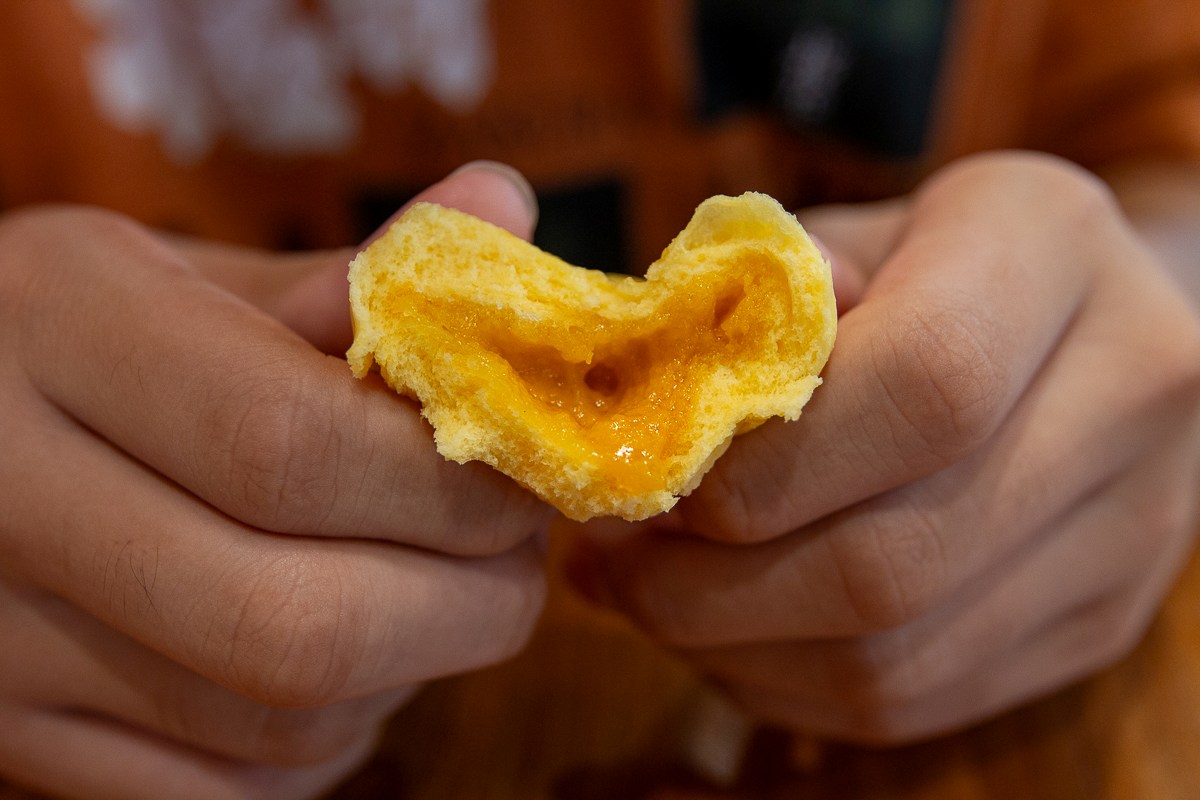
I loved how the custardy salted egg filling filled my mouth as I took my first bite, a savoury egginess and comforting sweetness following. It had a good warmth, which told me it was fresh, but not so fresh that the filling burnt my tongue like lava.
My only complaint about the filling was the inconsistency between the buns, as the first bun I ate had less filling than the second.
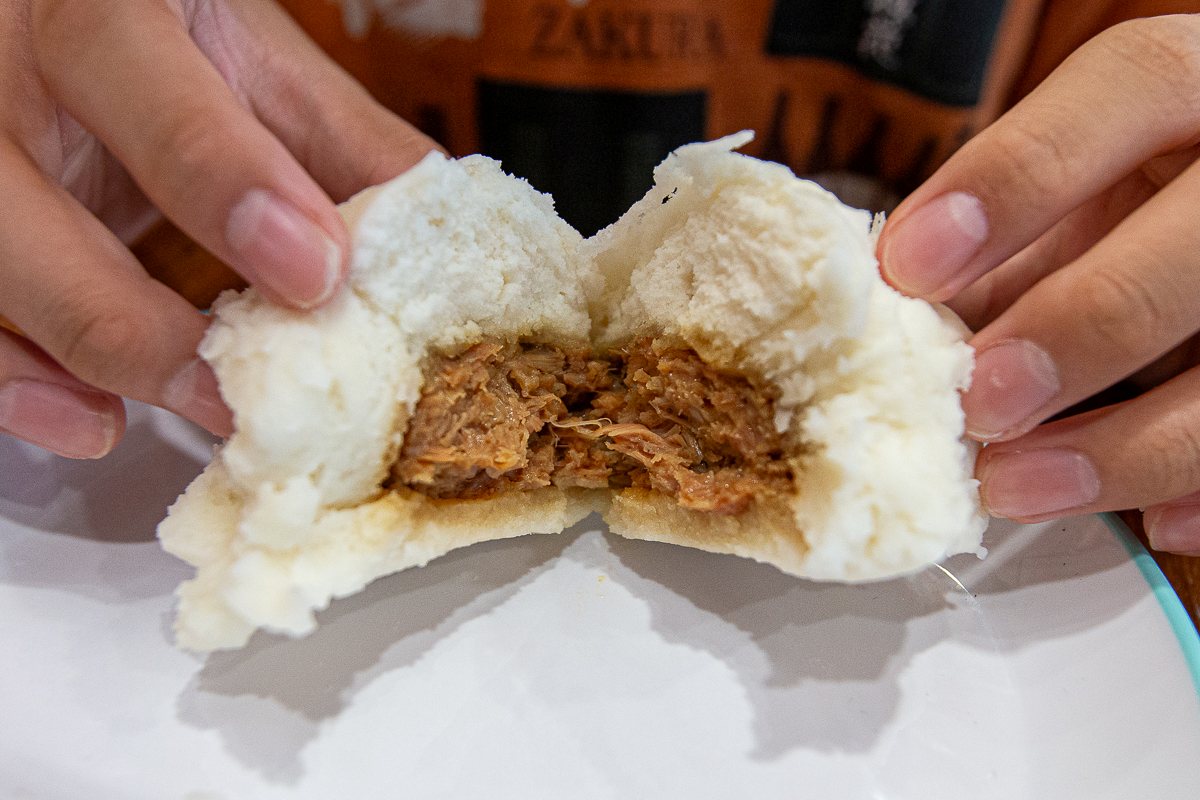
Moving on to Warung Dimsum’s Chicken Pau. After I tore open the bun for a glance at the meat, I found my fingers covered in sticky white residue from the pau‘s outer skin. This was a rather concerning sign, as that could mean the pau was still undercooked.
Fortunately, all seemed well inside the pau; the fragrant chicken filling steamed to a light-brown perfection. Still, it’s not a very good look to have a sticky pau.
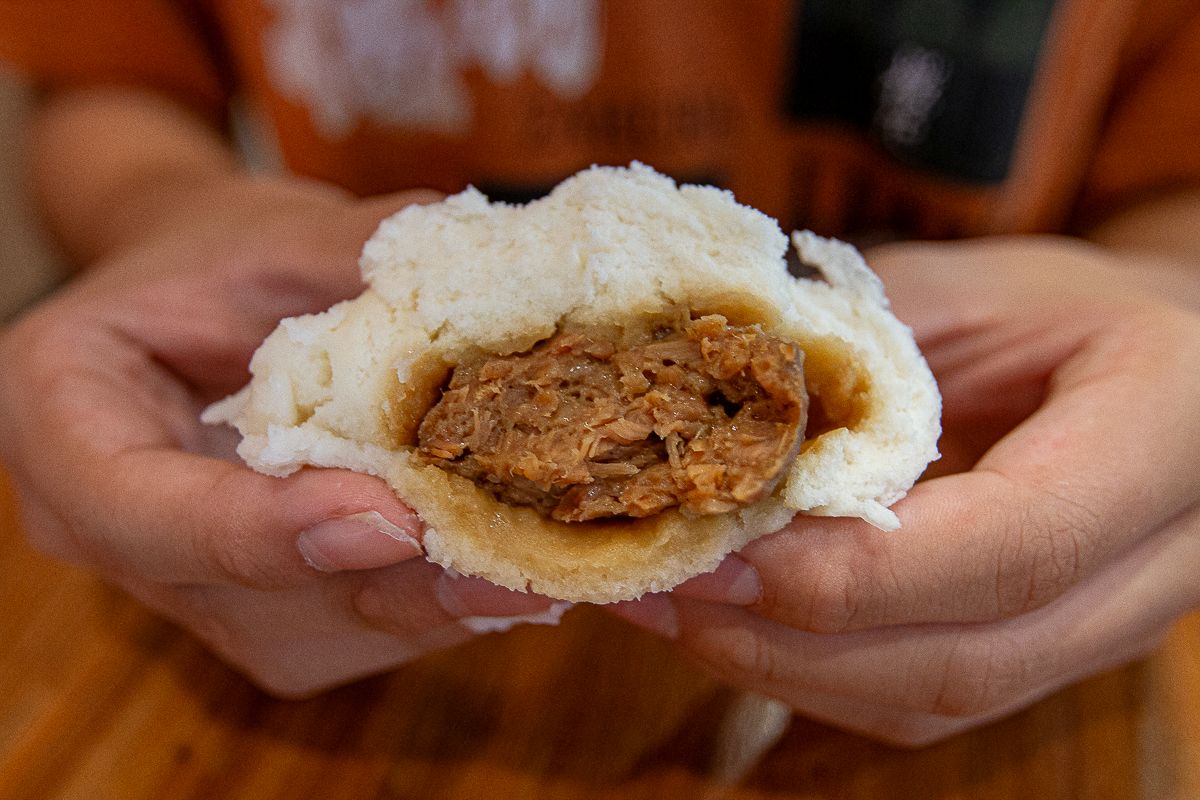
The chicken filling was meaty and savoury in all the right places, with a decent chewiness that countered the wet and sticky bun. While I took pleasure in how Warung Dimsum was able to nail the foundational Chicken Pau, a twinge of disappointment ran through me as I did not find any unique twist to the dish.
Marine Parade Dim Sum Showdown: Neptune Hong Kong Dim Sum vs Feng Xin Dim Sum
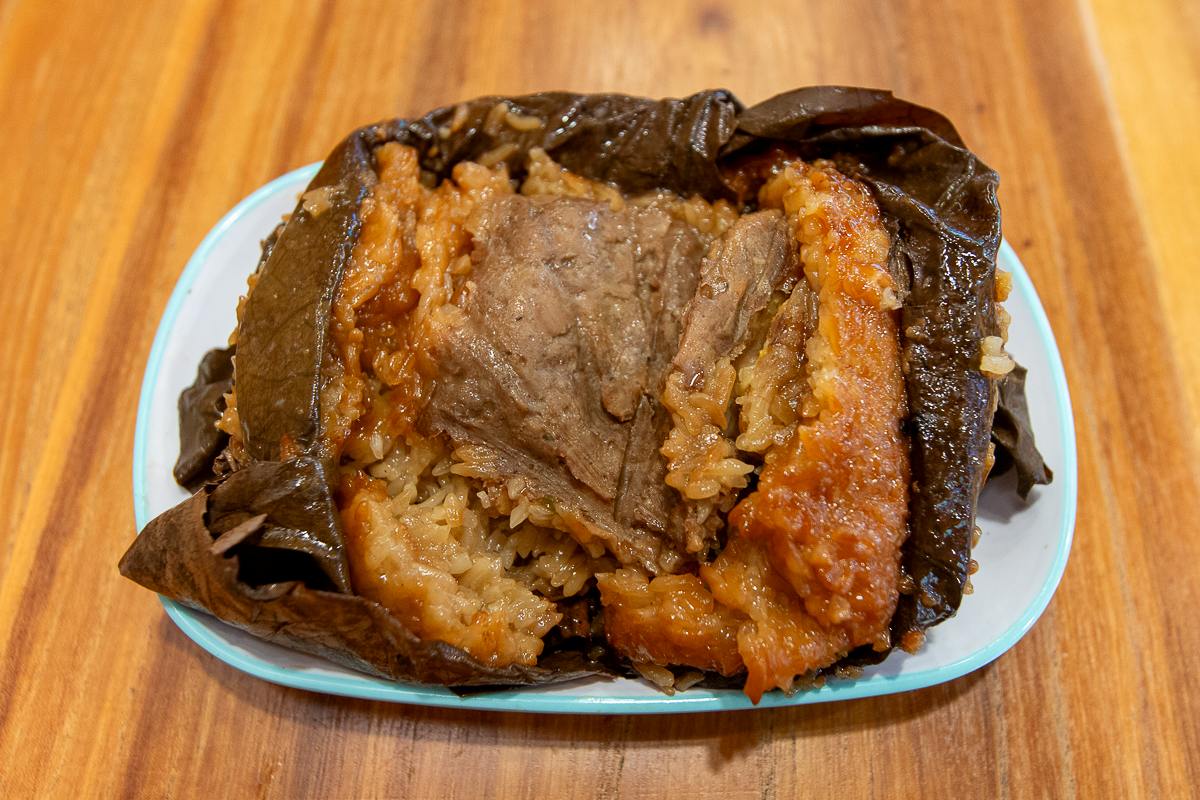
However… I could not sing similar praise for their Abalone Lotus Leaf Rice (S$11). When I read the word ‘abalone’, I thought there would be a large disc of abalone taking centre stage within the lotus leaf wrap. You can imagine my shock when I instead found a block of chicken meat sitting snuggly on a bed of sticky rice.
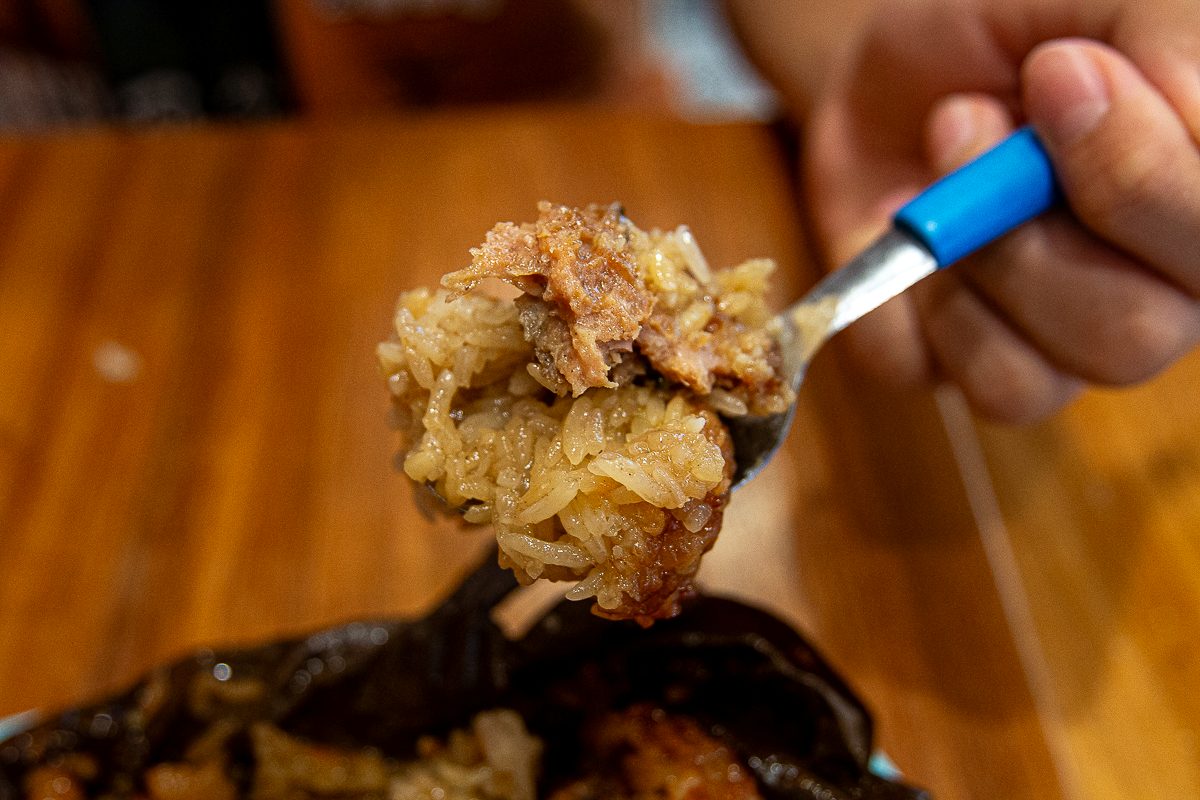
I liked the sticky rice; it was slightly sweet and mildly savoury, with the chicken adding texture to each spoonful. Unfortunately, the flavour was unevenly spread throughout the bundle of lotus leaf, with hard, uncooked rice grains at the bottom. I also found a single, tiny prawn, which added nothing to the dish. Was there supposed to be more?
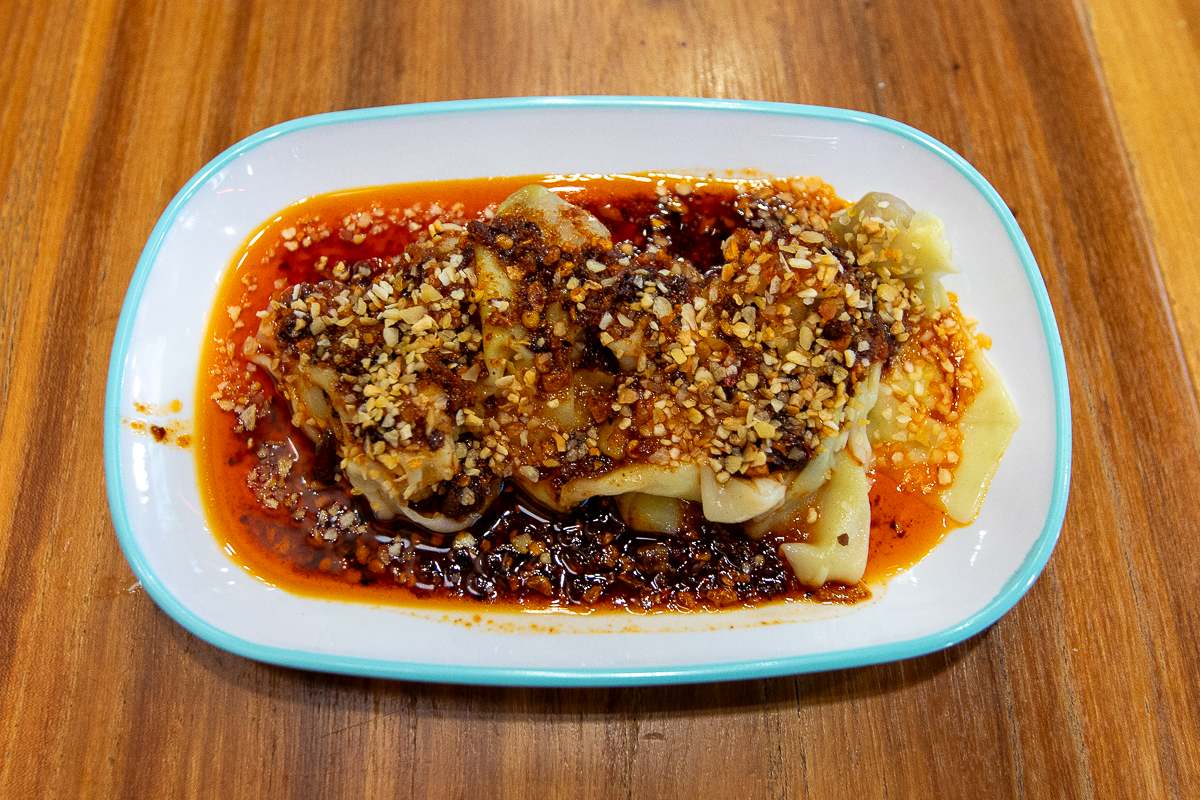
I was brought back to positivity with their Chilli Oil Dumplings (S$7.50 for 5pcs), which were by far the highlight of my visit. Strangely, I received 6 dumplings instead of the advertised 5, but the 6th dumpling had its meaty filling already ripped out.
Right off the bat, I was entranced by the deep redness of the chilli oil and the crunchy bits on top of the dumplings.
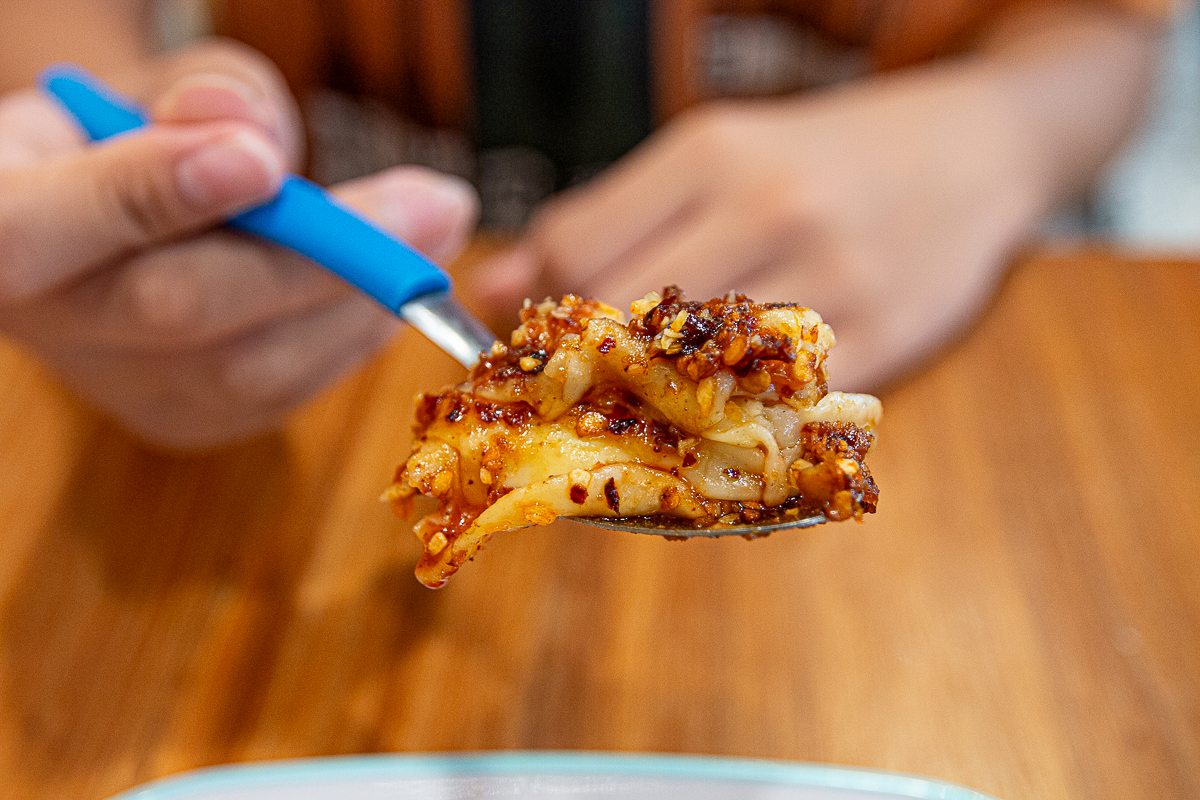
Honestly, where do I even begin? Let’s start with the dumpling itself. The large amount of dumpling skin dangling caught the chilli oil and crunchy bits, lifting them to create a delectable bite full of flavour. There were generous sprinklings of sesame seeds and dried chilli skin, giving the dumpling a strong crunch. While the chicken meat filling was rather basic, it did its job of pairing with the chilli oil well.
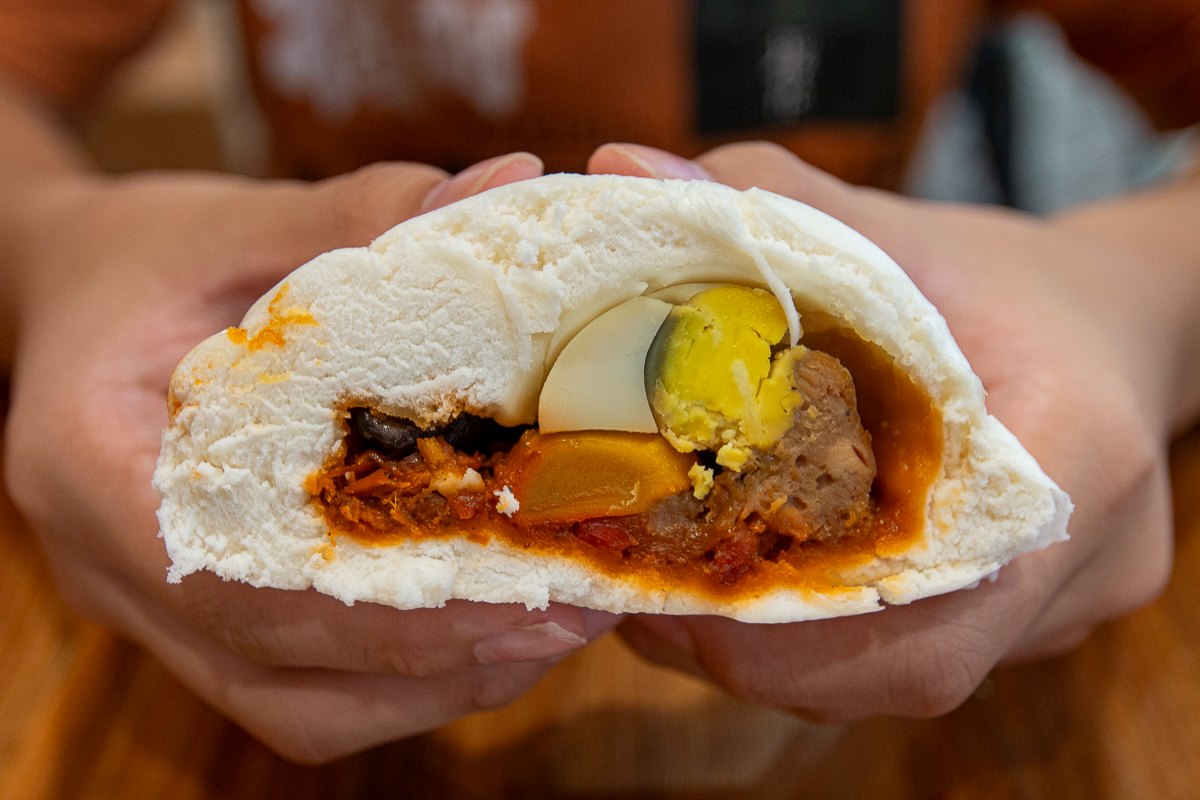
Last but certainly not least, Warung Dimsum’s Jumbo Abalone Pau (S$8). ‘Jumbo’ is an apt word to describe this pau, because it was genuinely as big as my palm. In fact, the stall offered to cut the pau in half when I ordered it, which I gladly accepted. That’s why the cross-section looks so neat.
There were a myriad of ingredients within the giant pau. There was a combination of light-brown meat found in the Chicken Pau and reddish meat resembling char siew. I doubt it was actual char siew meat, as it isn’t halal. Unlike the Chicken Pau, this Jumbo Abalone Pau had a soft yet firm outer bun that didn’t stain my fingers. The double meat filling really gave the pau its own identity.
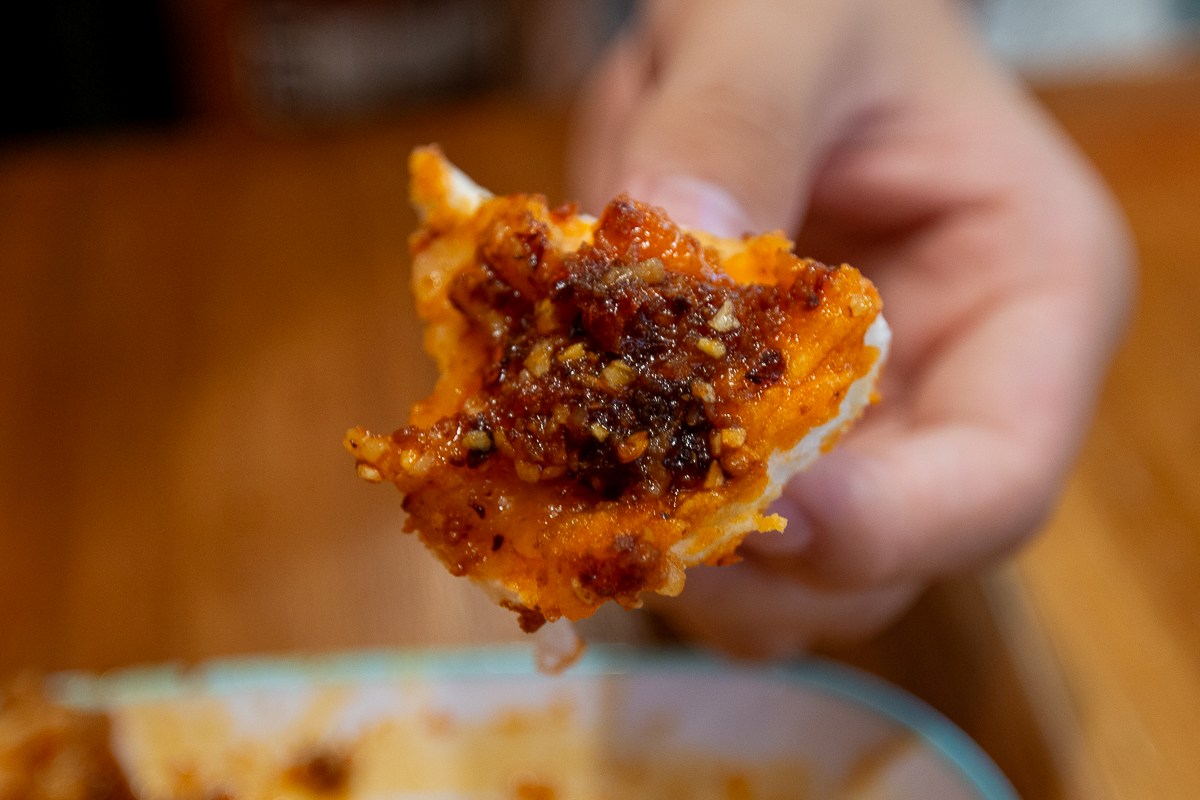
I even had enough of the bun left to scrape up the chilli oil. It was a rather playful whim of mine, as I wanted to savour as much of the chilli oil as possible.
Final thoughts
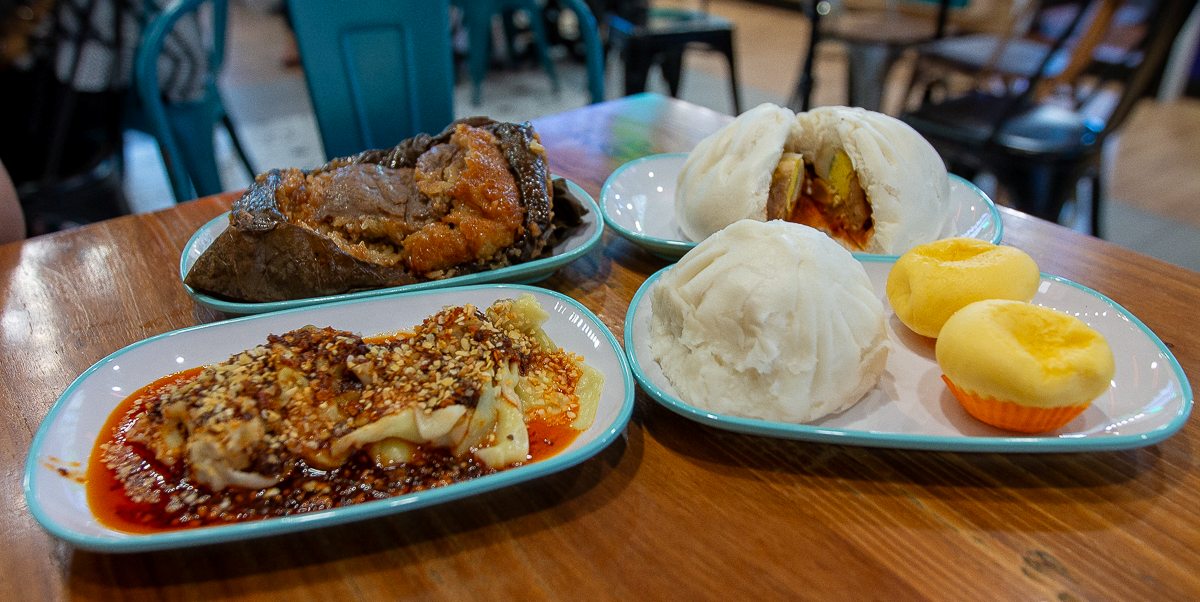
I genuinely enjoyed the food at Warung Dimsum and their version of traditional Chinese dim sum. I will admit there were a few hiccups, such as the inconsistencies with the Salted Egg Lava Pau and Abalone Lotus Leaf Rice, which I hope they eventually iron out. Do pop by if you’re ever in the Yishun area!
Expected damage: S$8 – S$11 per pax