 Malaysia
 Singapore
 Thailand

For parents, toys are a double edged sword. Most will entertain and occupy the little ones… but usually won’t help them develop valuable skills. The best STEM and Montessori toys are different — they shape how your children think, solve problems and interact with the world.
STEM and Montessori toys are highly recommended by child development specialists because they help develop science, maths, creativity and independent learning abilities, all while entertaining your child.
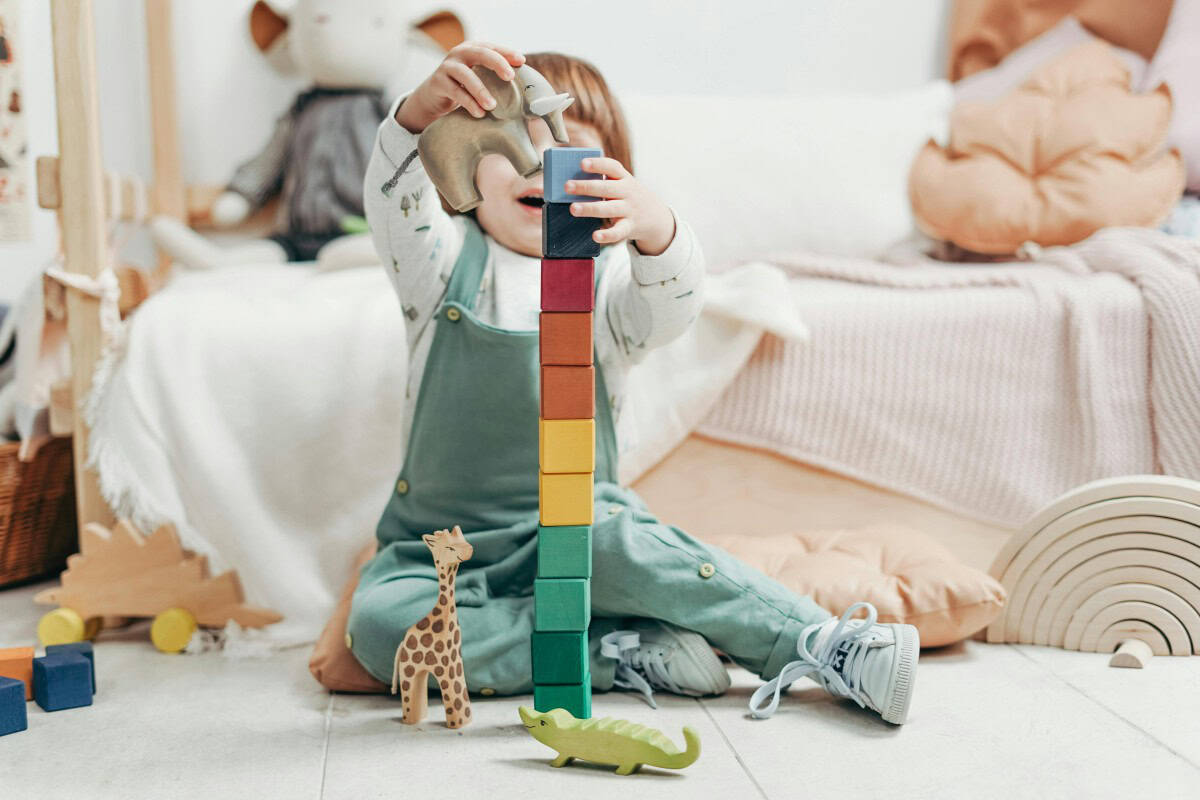
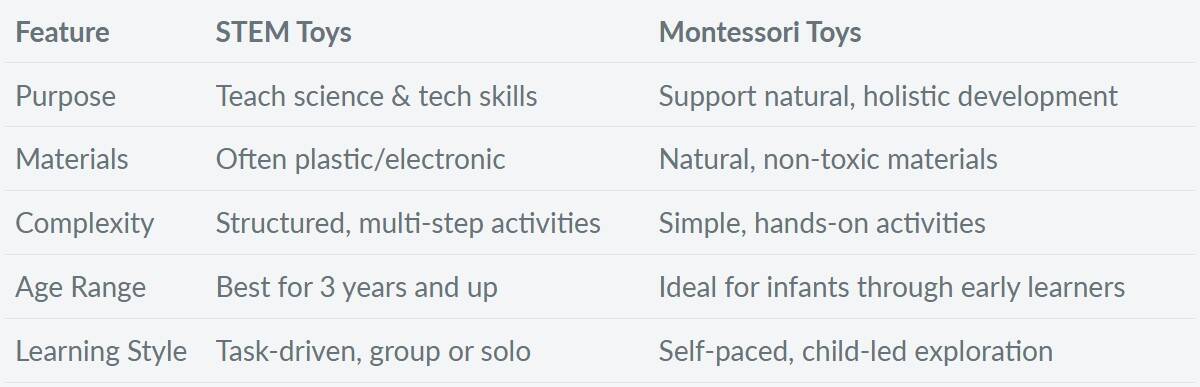
STEM vs Montessori Toys – What’s the Difference?
STEM and Montessori toys share many concepts. Both are designed to:
- nurture curiosity
- build focus
- encourage real-world thinking
- teach without screens and flashy sounds
While they are often bundled together, toys of each type have unique characteristics and strengths.
STEM Toys
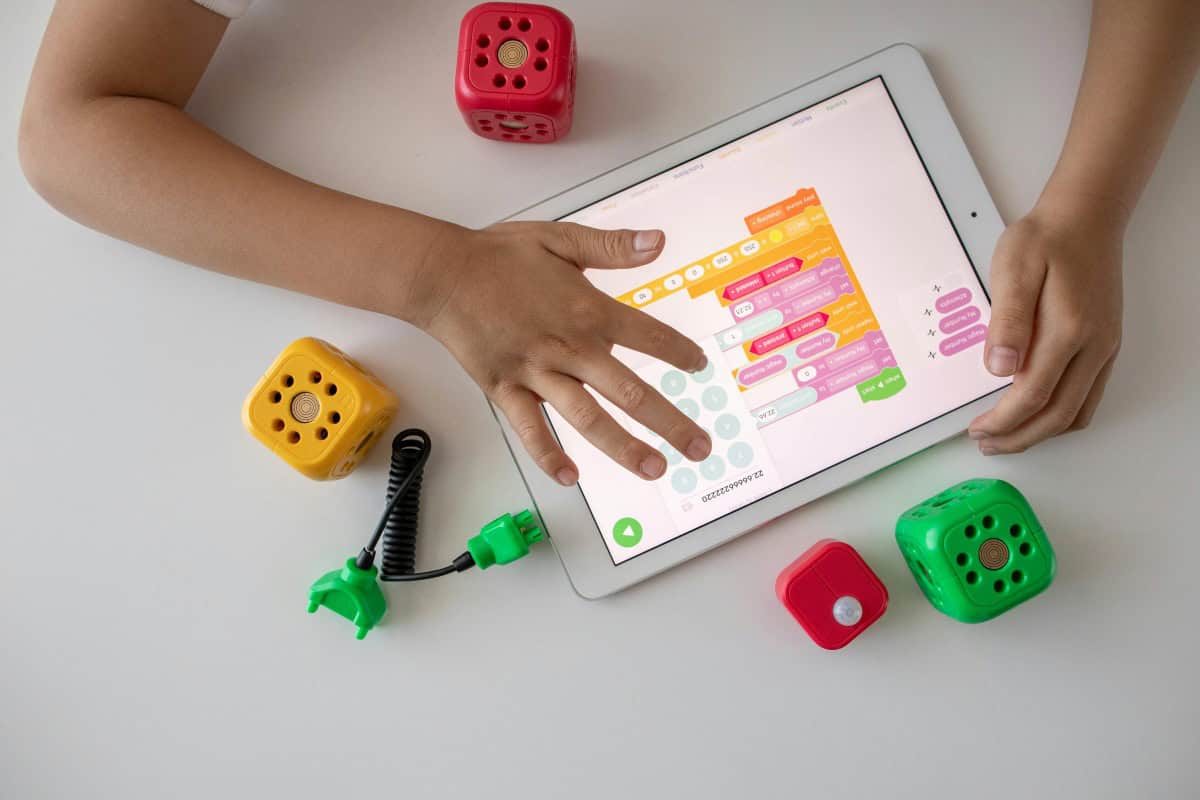
STEM toys are educational toys designed to engage kids in Science, Technology, Engineering and Mathematics through play. They encourage creative problem-solving and hands-on learning by letting kids explore real-world 21st century concepts in fun, tangible ways. They are generally geared towards modern and future technology.
Benefits of STEM Toys
- Builds Problem-Solving Skills – Kids learn to analyse, experiment, fail and try again, skills that are crucial in both life and future careers.
- Encourages Critical Thinking – Instead of just memorising facts, children learn to ask questions, make predictions and draw logical conclusions.
- Improves Fine Motor Skills – Many STEM toys involve construction, manipulation of parts, or precise tasks that enhance coordination.
- Introduces Coding and Tech Early – Toys that teach basic programming and robotics prepare kids for a tech-driven future.
- Encourages Resilience – Trial-and-error play builds perseverance. Kids learn that failure is part of learning and growth.
Montessori toys
Montessori toys are educational toys inspired by the Montessori method, a child-led, hands-on learning philosophy developed by Dr. Maria Montessori. These toys are usually simple, made of natural materials like wood, and designed to develop independence, focus and fine motor skills through purposeful play.
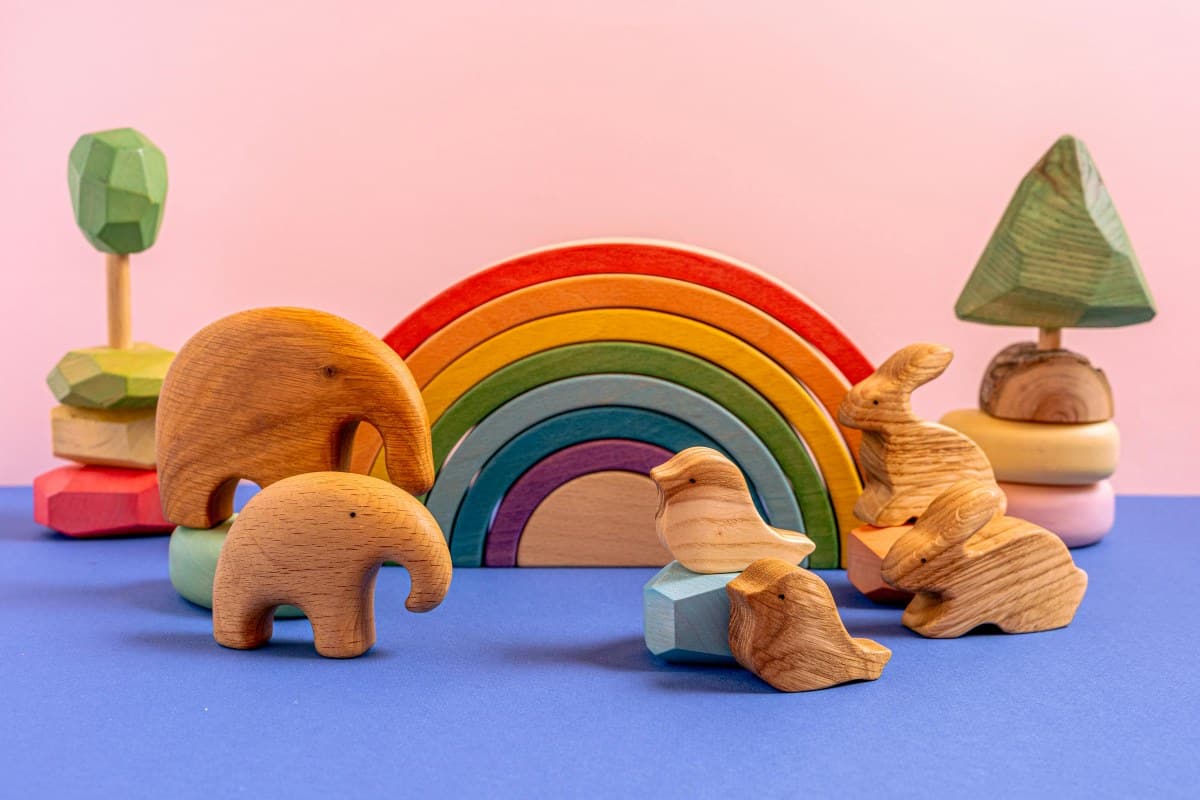
Benefits of Montessori Toys
- Builds Focus and Concentration – Montessori toys often involve repetitive tasks that engage children deeply and improve their attention span.
- Enhances Fine Motor Development – Activities like stacking, pouring, threading, or using tools develop precision and hand–eye coordination.
- Teaches Real-World Skills – Many toys mimic daily life — cleaning, cooking, dressing — helping kids learn practical, everyday tasks.
- Fosters Sensory Awareness – Montessori toys often focus on texture, weight, temperature and sound, sharpening a child’s sensory perception.
- Reduces Overstimulation – With no flashing lights or loud noises, these toys promote calm, thoughtful engagement rather than passive entertainment.
The Best STEM & Montessori Toys
Invest in toys that help your children grow, not just play. Here’s a clear, age-by-age guide to the best STEM and Montessori toys, with practical descriptions for each. All items are chosen to support real-world learning, creativity and hands-on exploration.
0–2 Years (Infants & Toddlers)
Focus: Sensory discovery, hand-eye coordination, cause and effect
1. Object Permanence Box
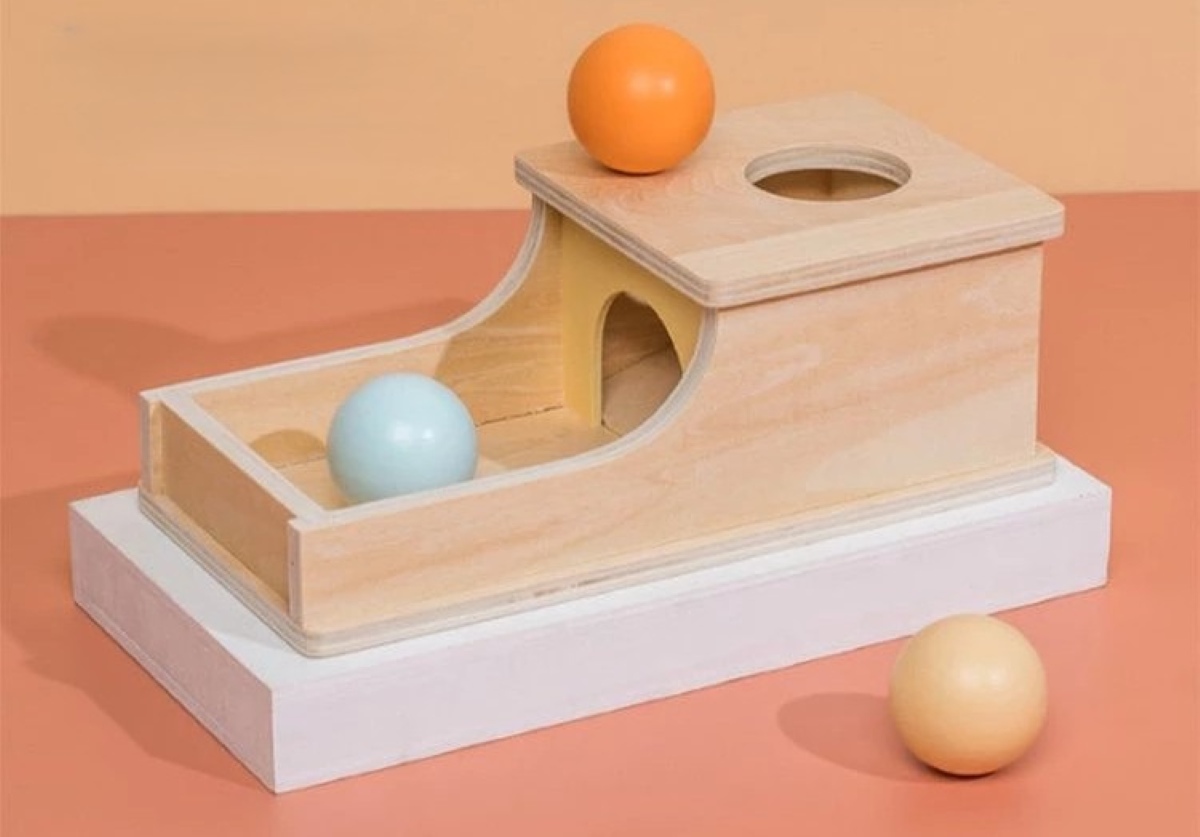
A wooden box with a hole on top and a drawer or door to retrieve a ball. Helps babies understand that things exist even when hidden to build early logic, concentration and fine motor control.
2. Stacking Cups/Rings
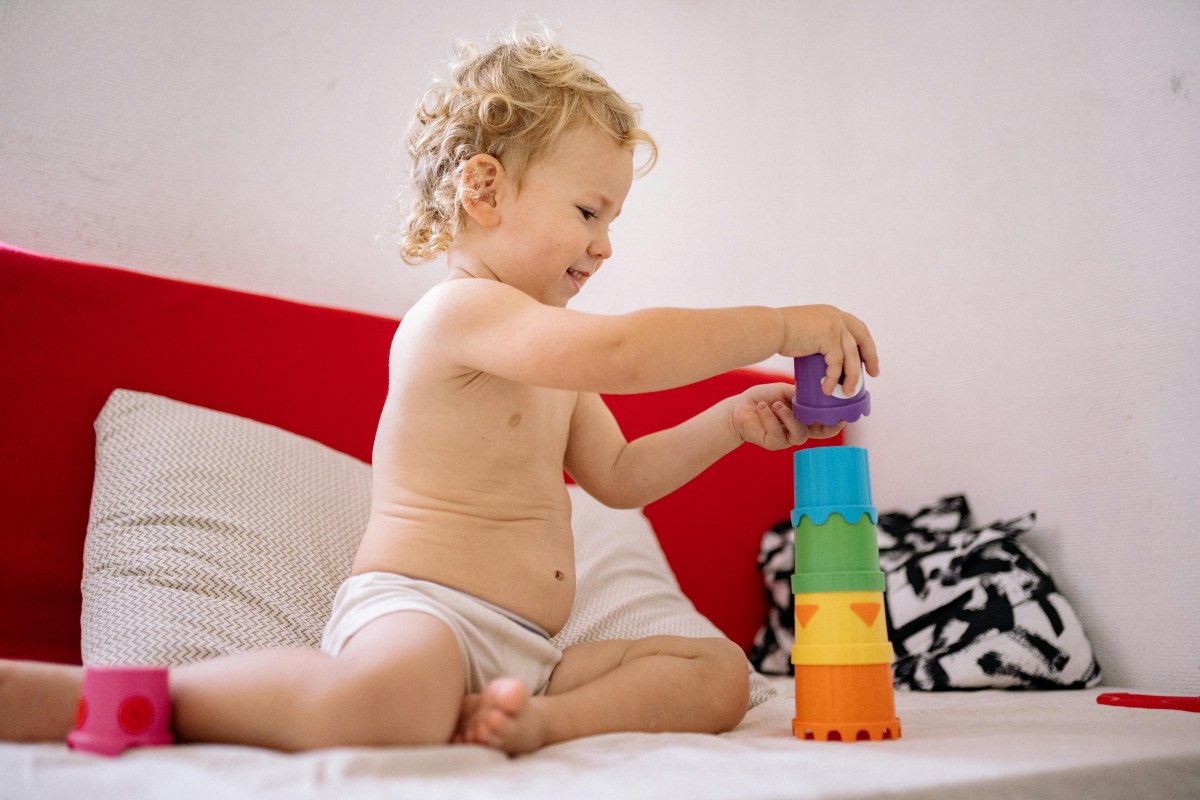
Classic Montessori-friendly toys where children nest, stack and knock over rings or cups. Teaches sequencing, size differentiation and hand control— ideal for early spatial and cognitive development.
3. Montessori Coin Box or Peg Drop
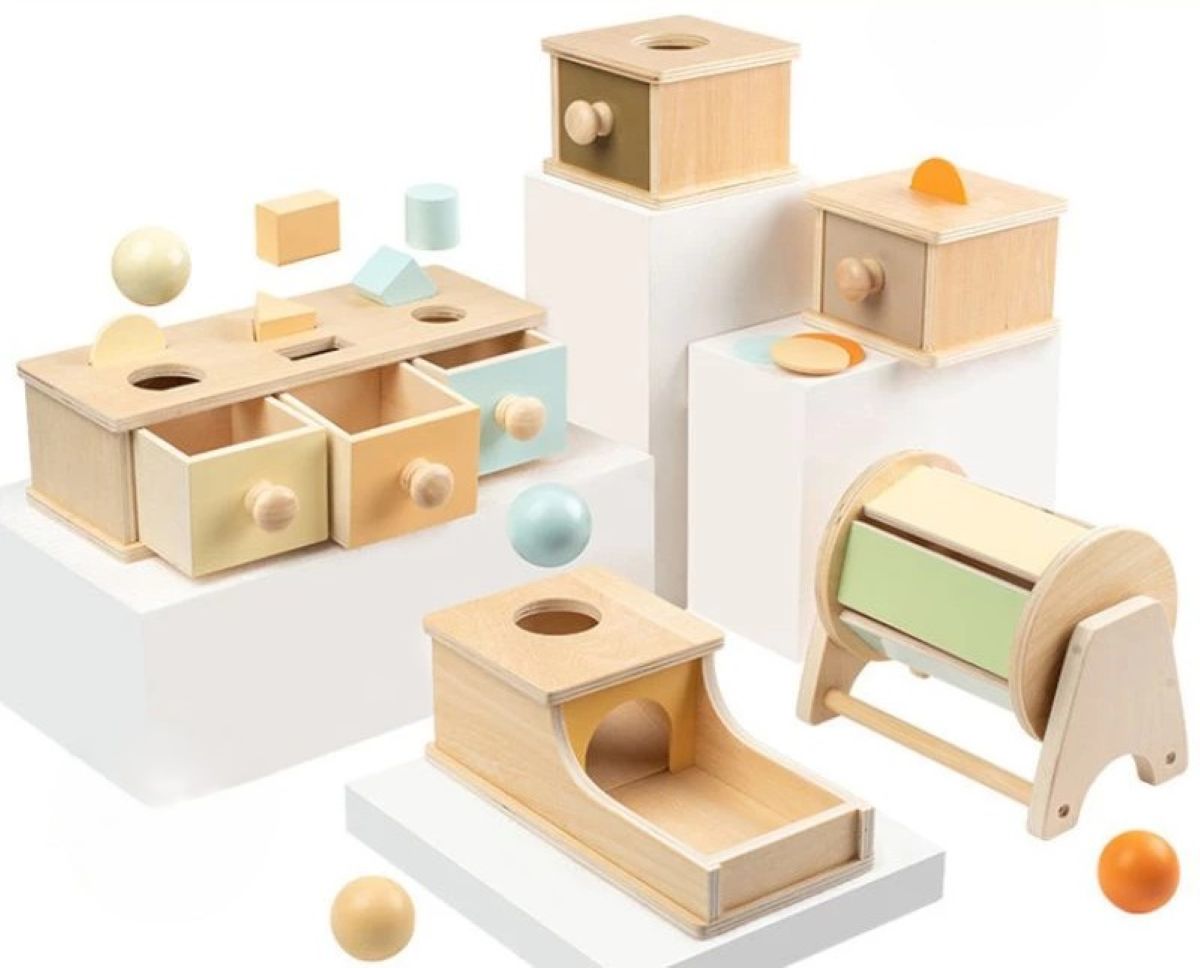
Simple wooden boxes where toddlers post discs or pegs through holes. Builds precise hand-eye coordination, muscle control and an understanding of size and fit.
2–4 Years (Toddlers to Preschool)
Focus: Sorting, independence, classification, motor refinement
4. Melissa & Doug See & Spell / Number Puzzles
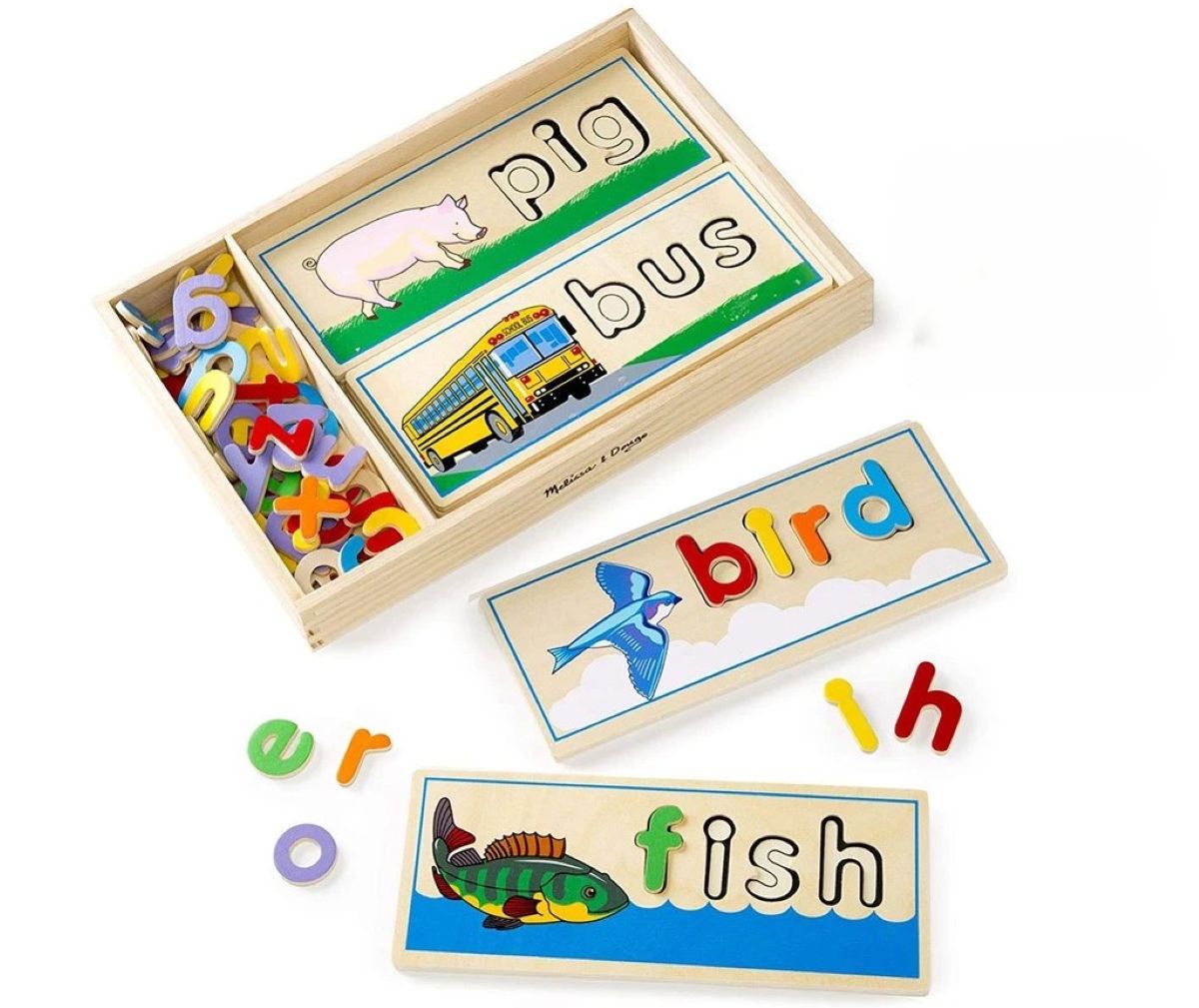
Wooden boards with cut-outs for letters and numbers. Children match the correct pieces to complete words or sequences, improving phonics awareness and early numeracy.
5. Montessori Screwdriver Board
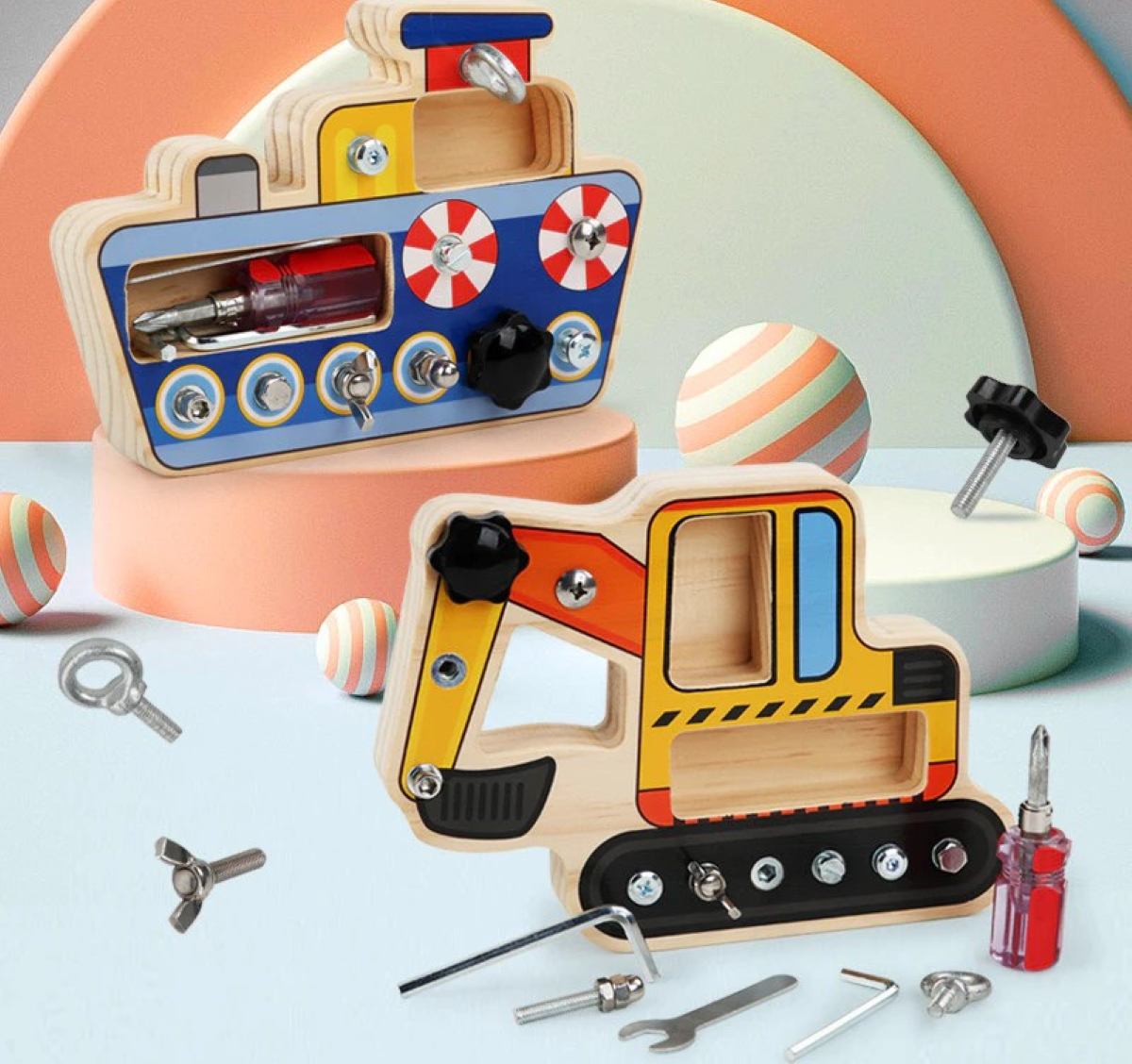
A solid wooden board fitted with real screws, bolts and tools. Lets kids safely practice turning, unscrewing and exploring how things are assembled, which is great for independence and focus.
6. Balance Boards
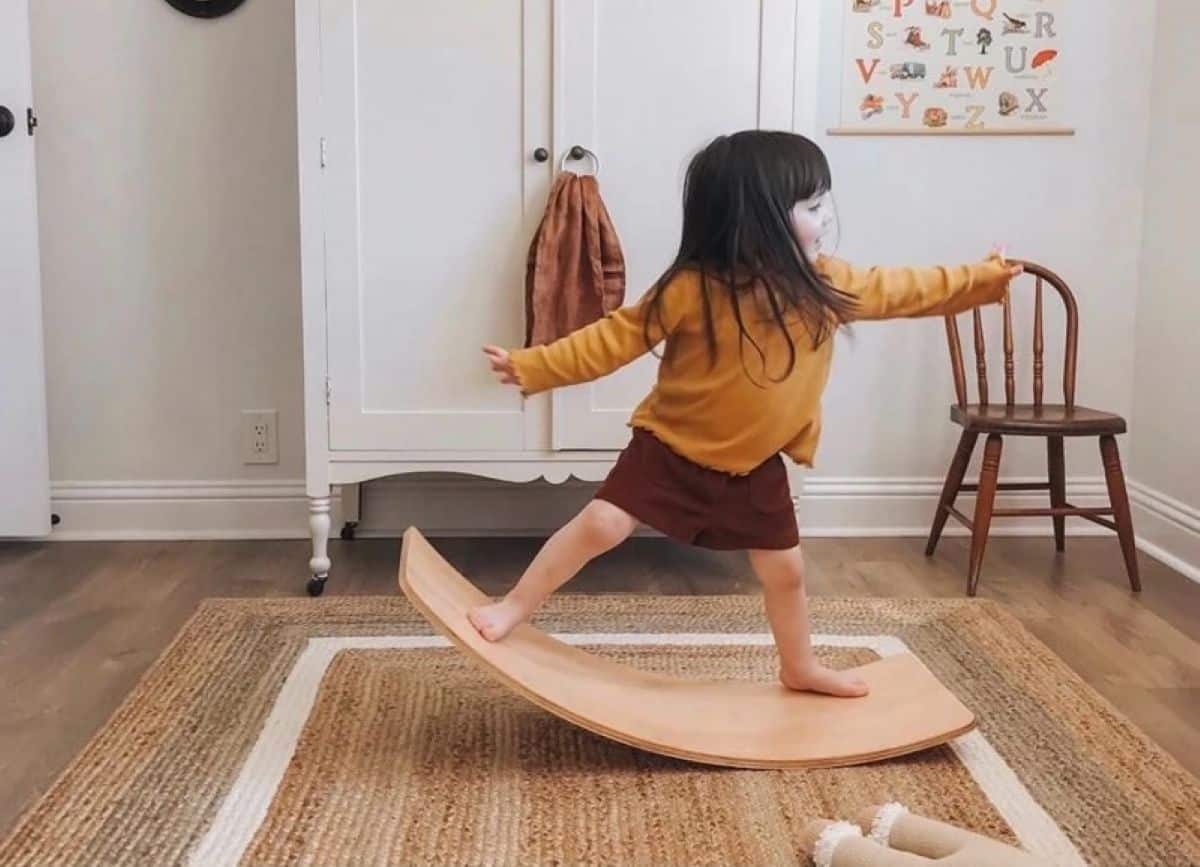
Plastic stepping stones of varying heights and textures to jump or balance across. Strengthens motor skills, coordination and spatial awareness through active, mindful movement.
4–6 Years (Preschool to Early Primary)
Focus: Construction, measurement, logical thinking
7. Magna-Tiles/Connetix Tiles
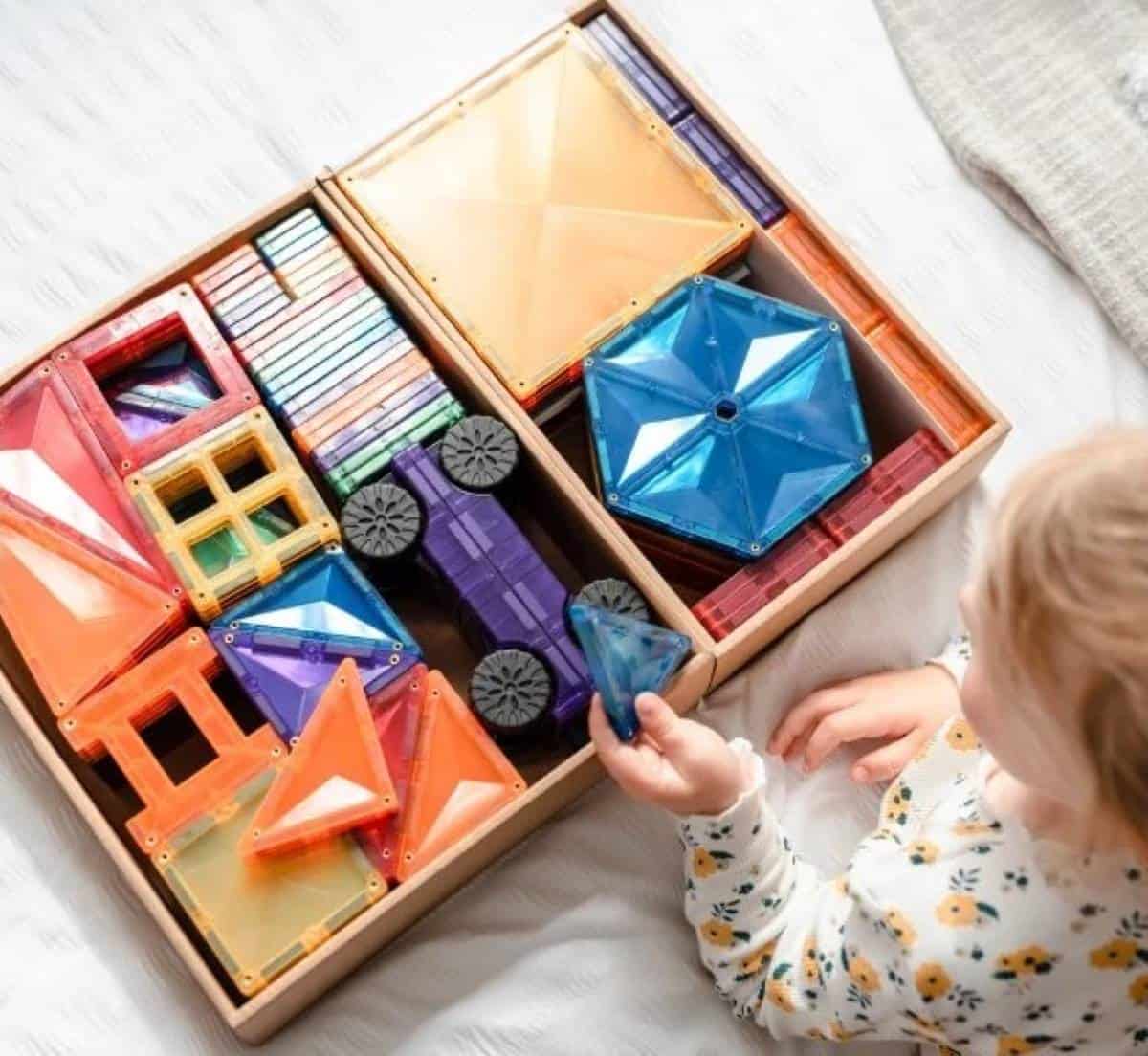
Magnetic translucent tiles that snap together to build 2D and 3D shapes. Children learn geometry, magnetism and structural stability while creating endlessly varied constructions.
8. Montessori Math Beads / Spindle Boxes
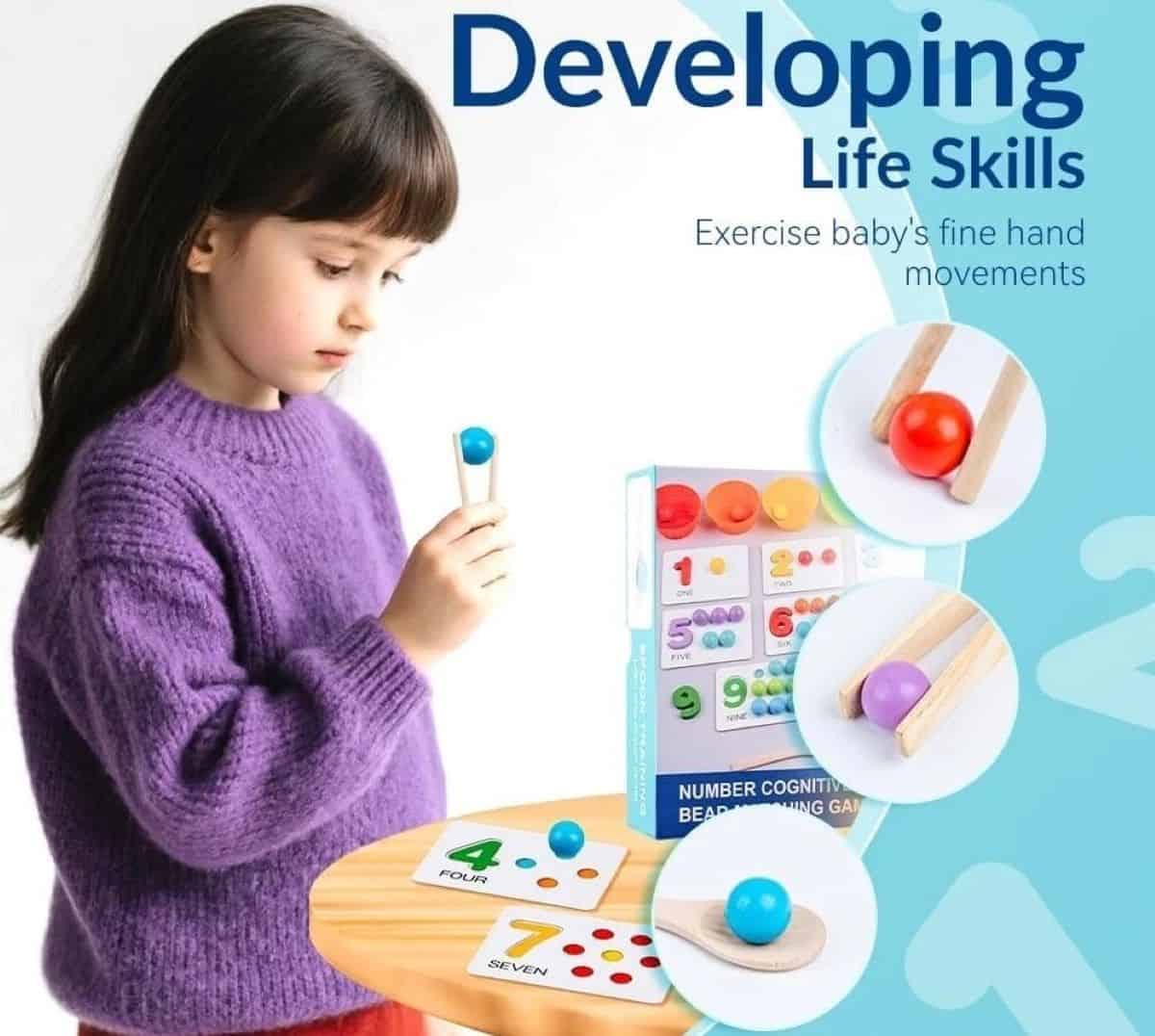
Bead chains and number boards help children visualise quantity and arithmetic. These hands-on materials provide a concrete grasp of abstract math principles.
9. Primary Science Lab Kit
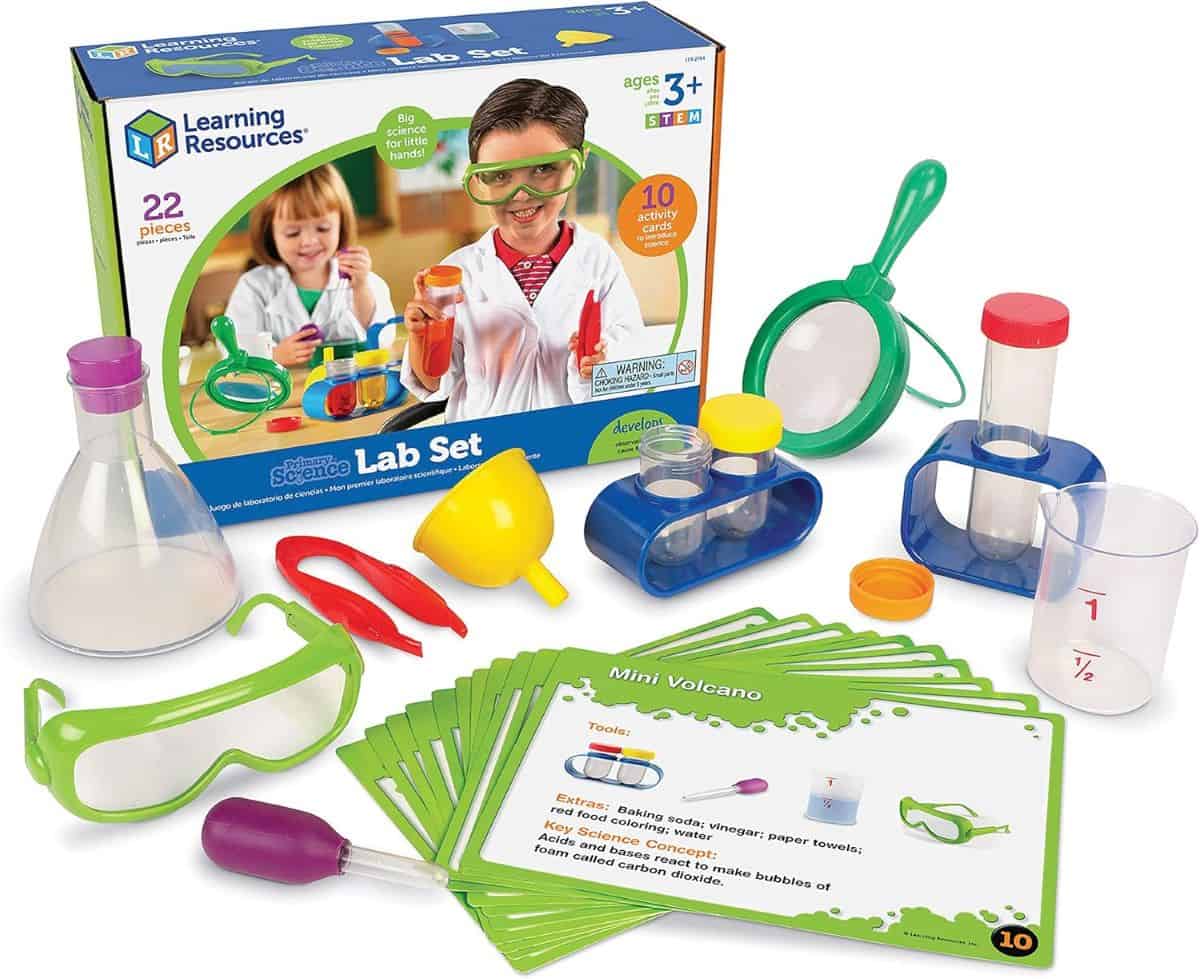
A child-safe science kit with goggles, beakers, droppers and experiment cards. Great for introducing scientific observation, measurement and basic hypothesis-building.
imoo Watch Phone X10 Review – Hard to beat this kids’ smartwatch
6–9 Years (Primary School)
Focus: Basic coding, circuitry, logic, experimentation
10. Snap Circuits Jr./Elenco Circuits
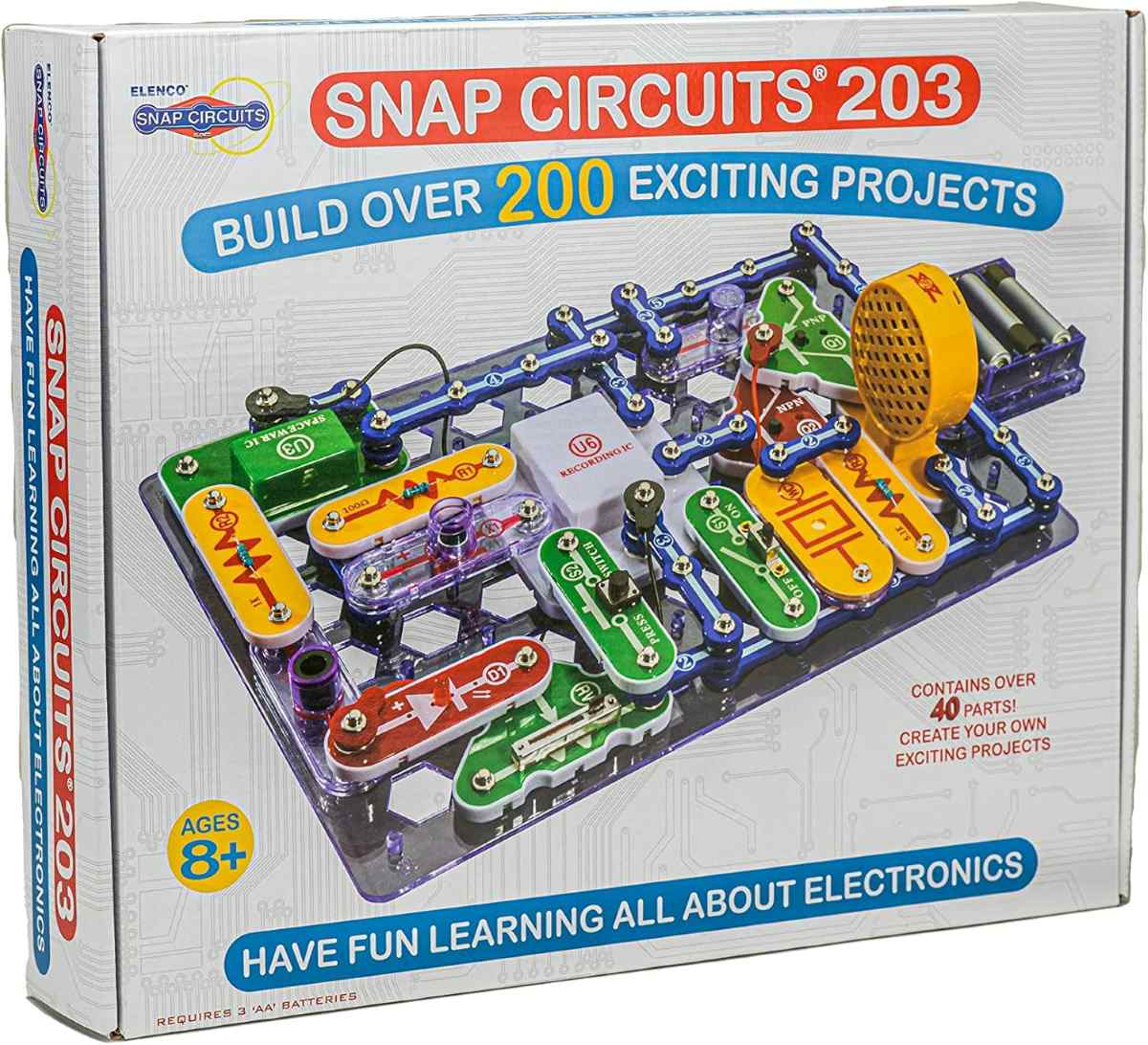
Modular electronic parts that snap together to form functioning circuits—lights, fans, alarms and more. A safe, intuitive intro to electronics and real-world circuitry.
11. KEVA Planks / Kapla Blocks
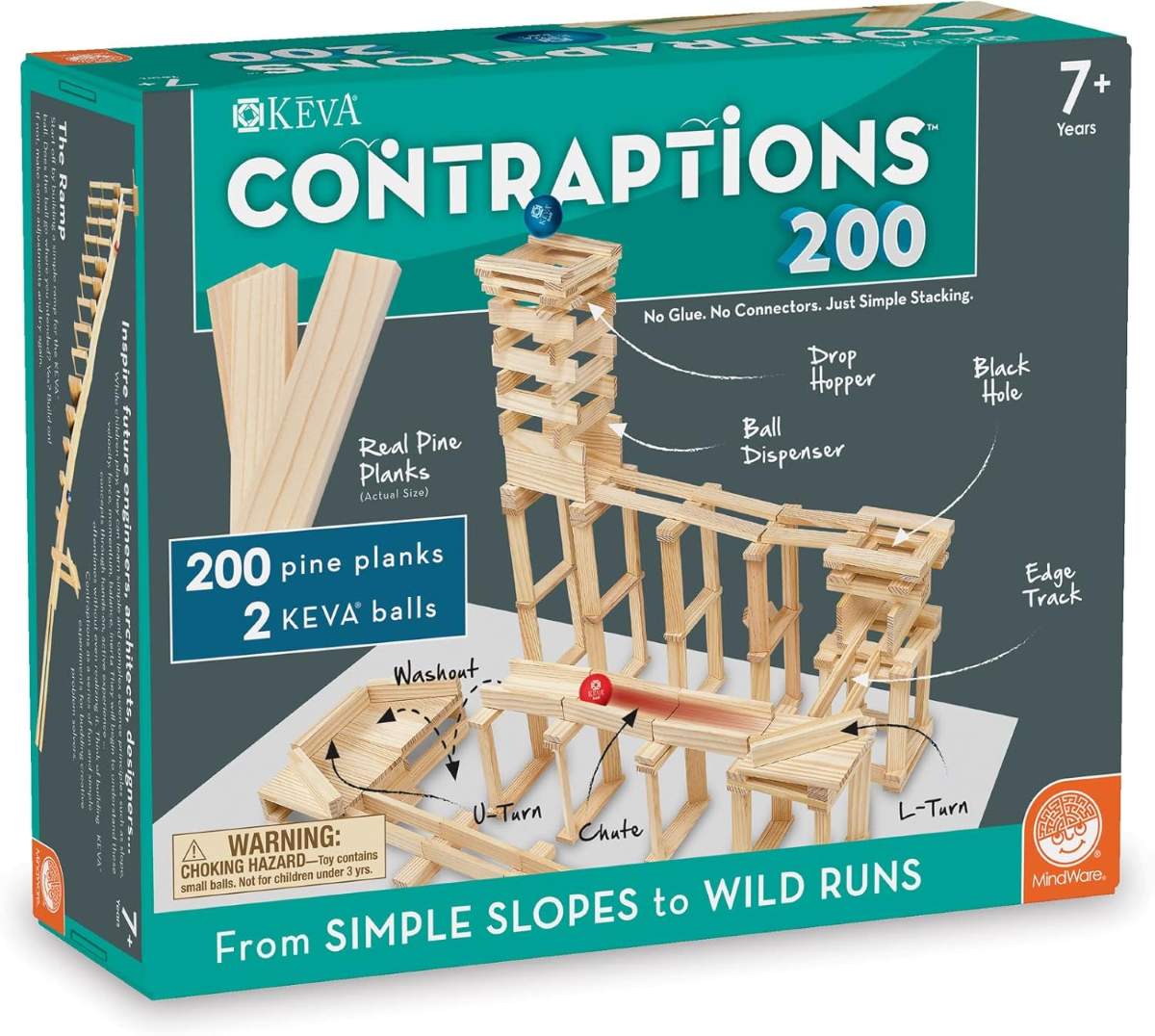
Uniform wooden planks used to build towers, bridges and machines without glue or connectors. Teaches architectural stability, physics and spatial awareness through trial and error.
12. DIY Simple Machines Kits

Buildable kits with pulleys, levers and wheels that children assemble and test. These introduce mechanical advantage and physics in an intuitive, hands-on way.
9–12 Years (Upper Primary)
Focus: Applied science, coding, advanced reasoning, systems thinking
13. Kano PC / Raspberry Pi Starter Kits
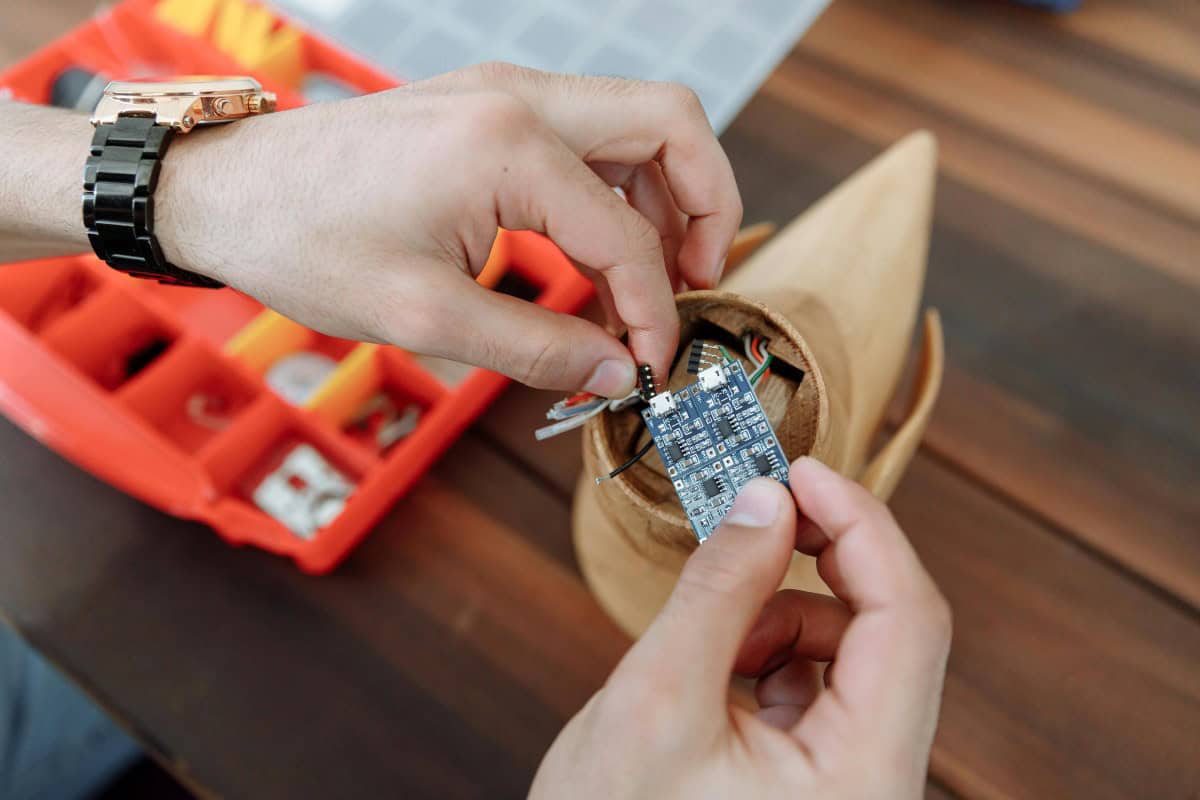
Build-your-own computers designed for kids. Offers coding lessons, circuit-building and open-ended tinkering—perfect for STEM-minded learners ready to go deeper.
14. Chemistry Lab Kits
Comprehensive science sets with real lab tools and guided experiments. Allows kids to explore chemical reactions, mixtures and scientific method in a safe, structured way.
15. Makey Makey
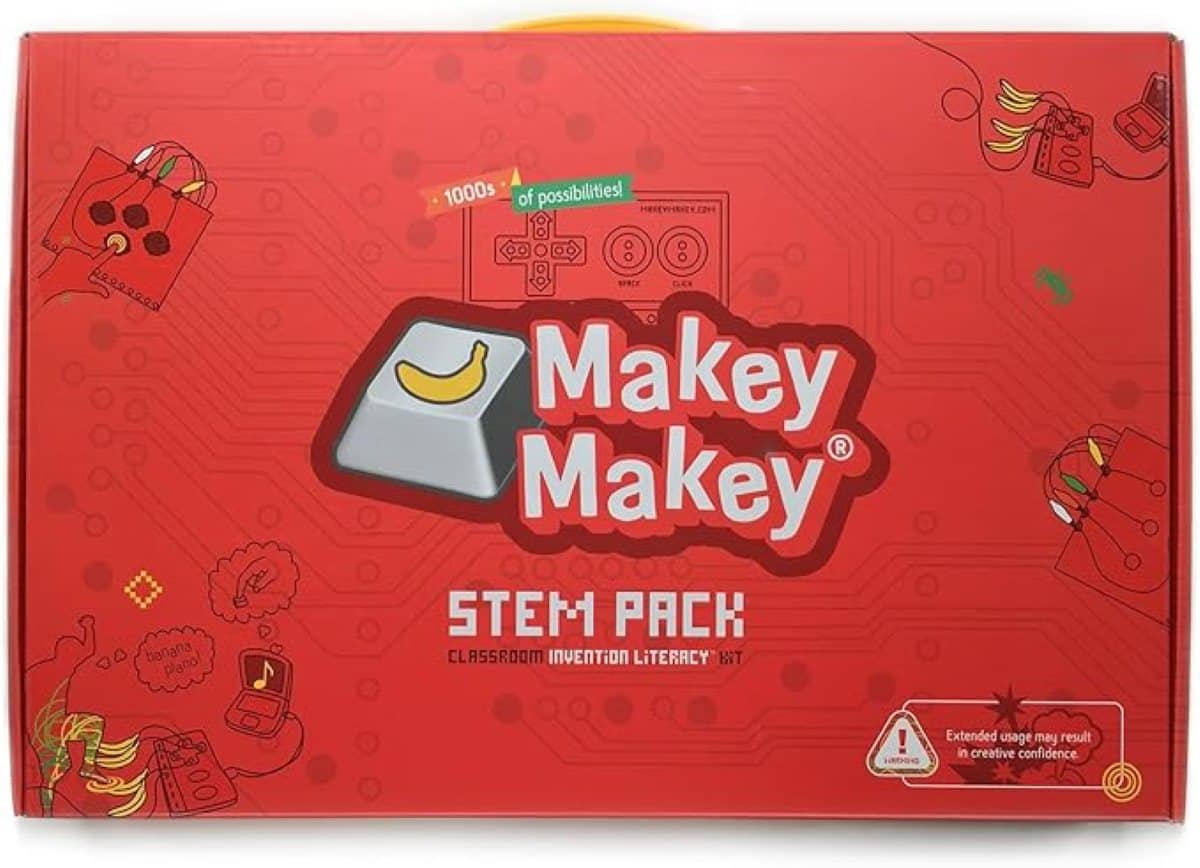
A creative invention kit that lets kids turn bananas into piano keys or Play-Doh into a joystick. Teaches electrical circuits, conductivity and interface design with humour and invention.
15 kid-friendly restaurants in Singapore for family fun time [Dec 2024 update]