 Malaysia
 Singapore
 Thailand

What began as a routine open call for the upcoming Singapore Art Book Fair 2026, running 28 to 30 Aug, sparked debate about access, labour, and economics in Singapore’s creative spaces. Many focused on one detail: a S$150 fee for a ‘walking exhibition.’ Within hours, social media was filled with frustration, disbelief, and anger.
On the surface, the idea aims to rethink space at the fair as a more fluid alternative to traditional booths while avoiding fixed positions and rigid boundaries. However, for many artists and small publishers, this spatial experiment feels like a subtle shift in values. Those who can afford a booth remain anchored and visible, while those who cannot must carry their work through the crowd.

Accessibility concerns make the issue more complex. Some artists cannot stand or walk for long due to injuries, chronic conditions, or other limitations. The format assumes a basic physical ability that is not universal. In a space that calls itself inclusive and community-oriented, overlooking this feels like more than an oversight; it is a contradiction of the values the fair claims to uphold.
To move the conversation forward, possible alternatives could be considered. One option is a subsidised booth-sharing model. This way, 2 or more emerging artists or publishers could share a space at a reduced rate. This setup gives each greater stability and visibility without the full financial burden.
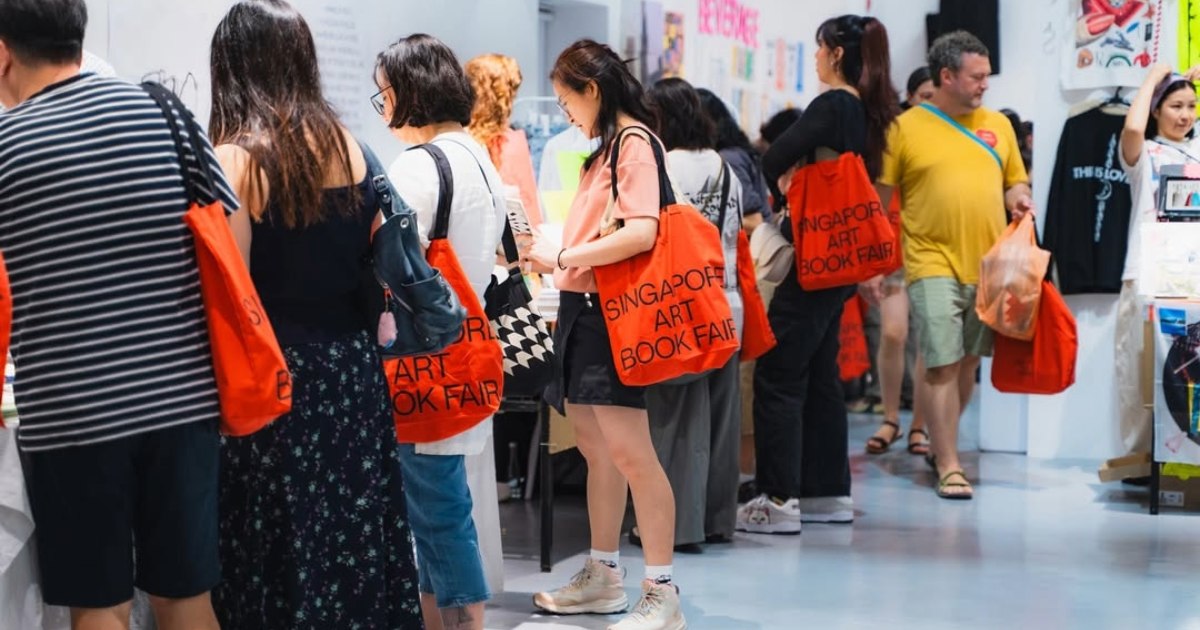
Another compromise could be to create designated rest areas or rotate walking exhibitor stations. This would ensure everyone has a place to pause and showcase work without being in constant motion. Such adjustments could help balance inclusivity, accessibility, and the organisers’ goals for a dynamic experience.
The community has always supported independent art spaces. Last year, the fair brought people together; however, this year’s proposal risks undoing that goodwill. Whether the fee is outrageous or justifiable is till being debated, but the uproar centres on a deeper argument: how policies affect fairness, visibility, and access in Singapore’s art community.