 Malaysia
 Singapore
 Thailand

When it comes to Hainanese chicken chop, one image always comes to mind: a crispy, juicy chicken cutlet coated in sweet and sour sauce, served with fries and a simple side salad. It’s a classic comfort dish that’s been around for generations, and one that many kopitiams continue to put their own spin on.
With plenty of good options around, I wanted to see how a long-established favourite compares with a brand-new name. So, I put Ho Kow Hainan Kopitiam, which has been around since 1956, against Kopi Khuat, a kopitiam that opened just a month ago, to see how their Hainanese chicken chops stack up.
Why these contenders?
Everyone has their own favourite Hainanese chicken chop, but for this comparison, I decided to stick to Muslim-friendly options.
Ho Kow Hainan Kopitiam was an easy choice. It’s one of KL’s best-known old-school kopitiams, and despite being in business for nearly 70 years, it’s still common to see long queues outside the shop.
Choosing a newer contender was a little trickier, as many of the popular kopitiams today have already been operating for years. That’s why Kopi Khuat stood out. Having opened just a month ago, it felt like a good opportunity to see how a newcomer compares against a long-time favourite.
While they’re at opposite ends of the spectrum in terms of history, both serve the same nostalgic dish, making for an interesting comparison.
Kopi Khuat
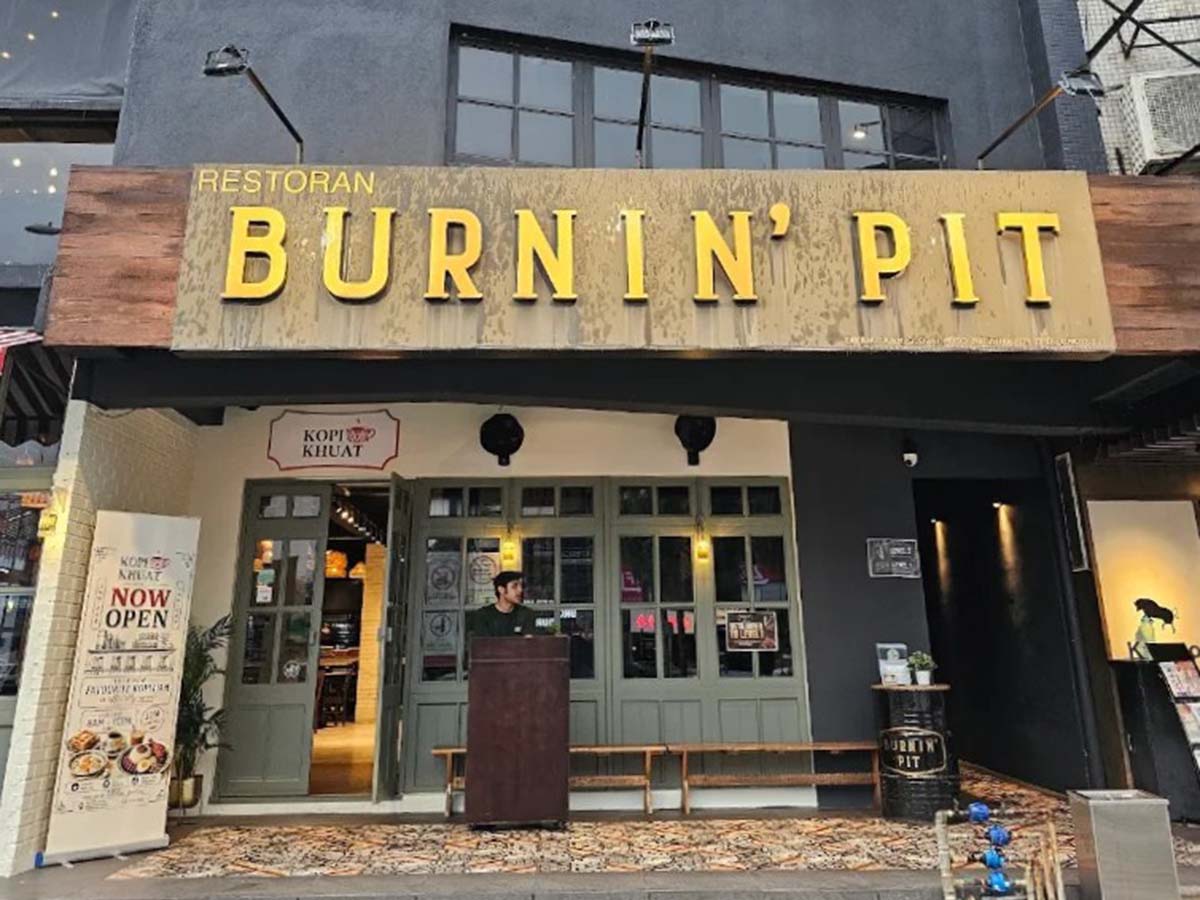
Kopi Khuat is one of the newest kopitiams in town, having opened in Desa Sri Hartamas in June 2026. Naturally, I had to see whether its Hainanese chicken chop could hold its own against a long-established favourite.
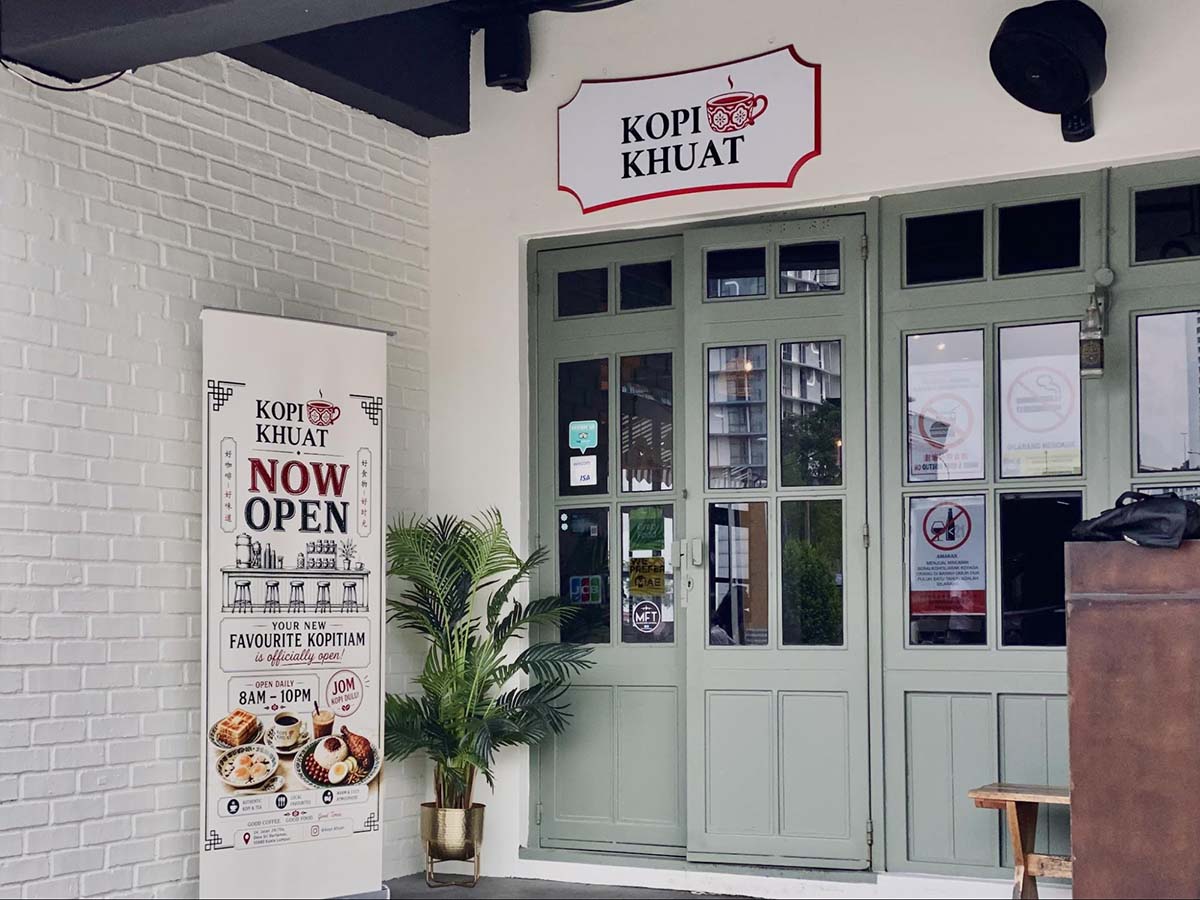
Finding the place took a little patience. At the time of writing, the location wasn’t searchable on Grab, so the easiest way to get there is by searching for Burnin’ Pit instead. Kopi Khuat occupies the ground floor of the barbecue restaurant, with much of the original signage and interiors still intact.
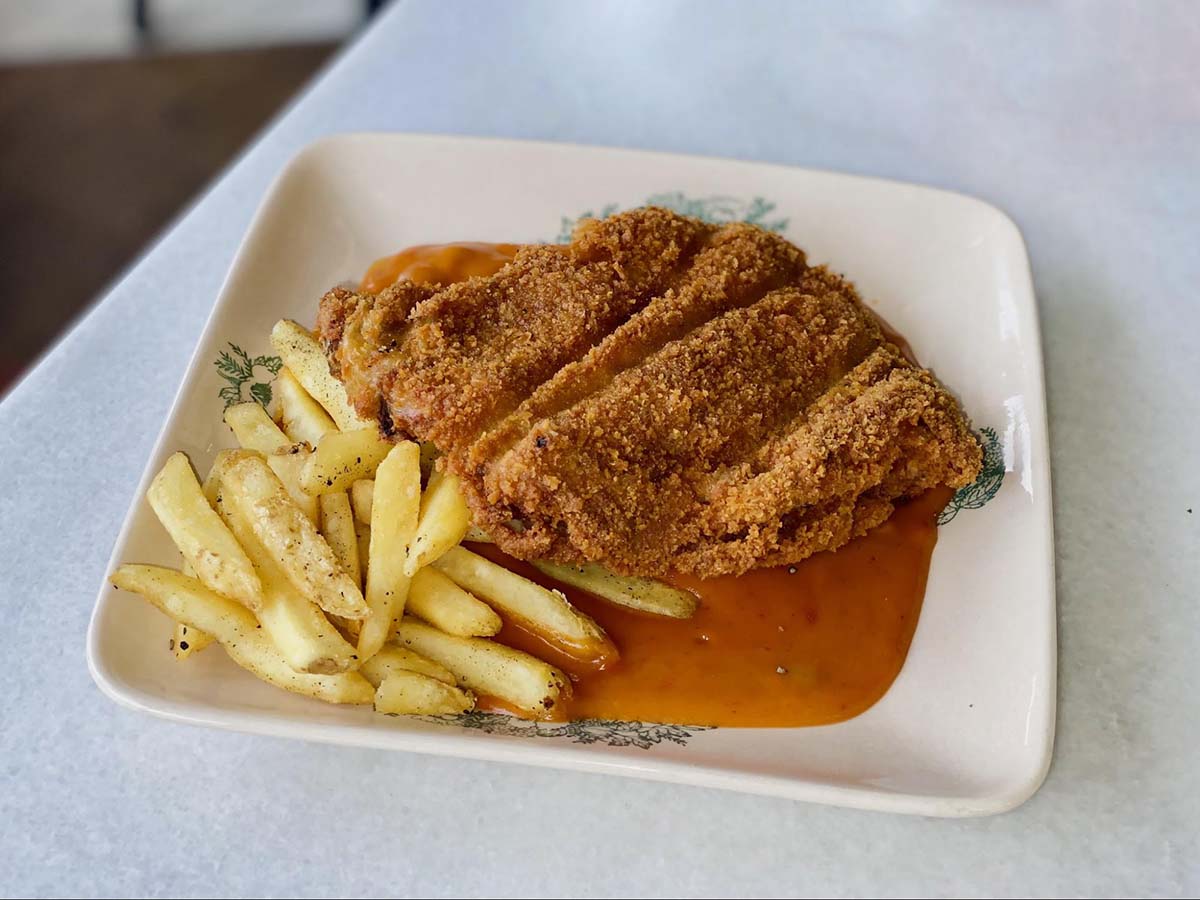
Their Hainanese Chicken Chop (RM26), comes with a choice of tomato or black pepper sauce. Since tomato sauce is the traditional pairing, that was the obvious choice.
The serving was generous, featuring a sizable fried chicken chop, fries and plenty of sauce. The chicken itself was juicy and tender, wrapped in a crispy batter that stayed firmly attached to the meat instead of flaking off.
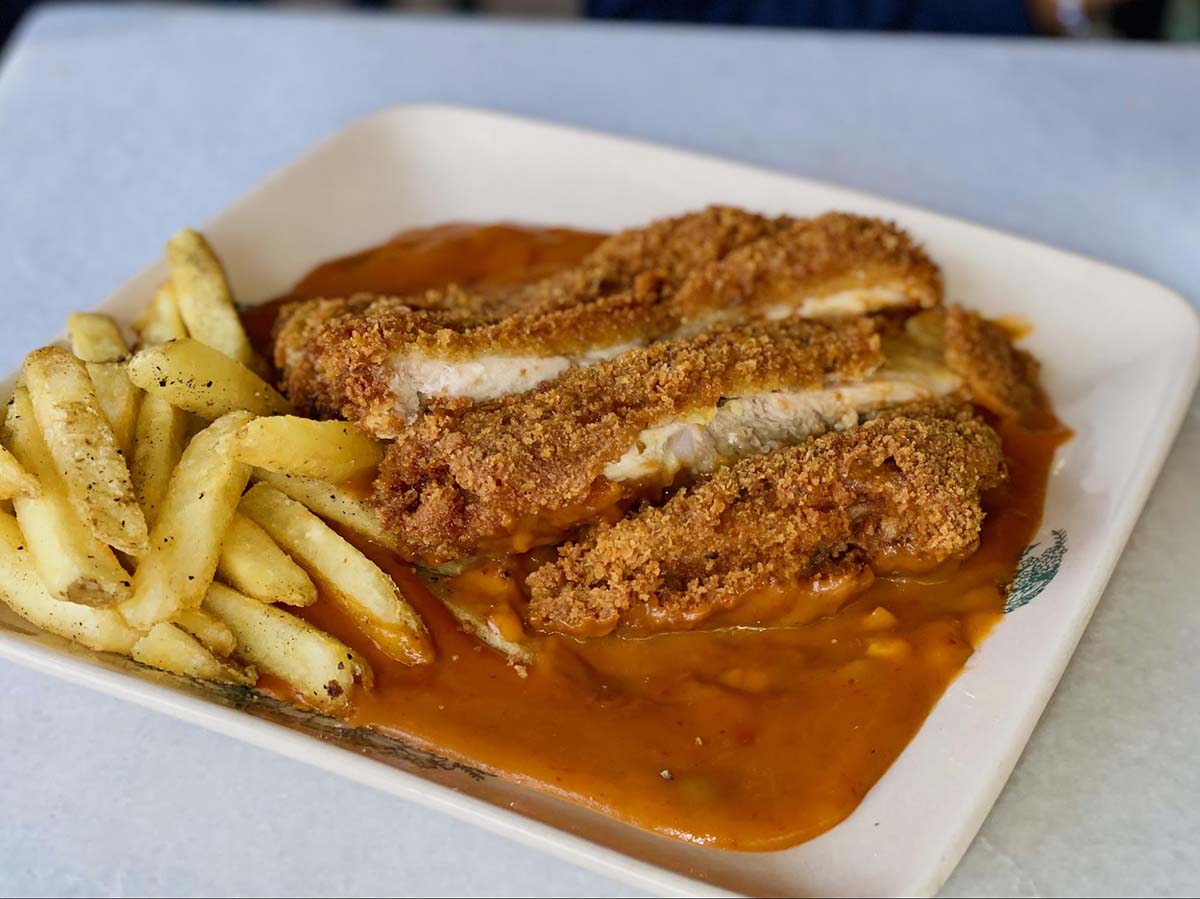
The coating had a nice balance between a classic flour batter and breadcrumb-like crunch, while the marinade leaned simple, relying mostly on savoury seasoning rather than bold spices. It wasn’t overly crunchy either, making it easy to enjoy from the first bite to the last.
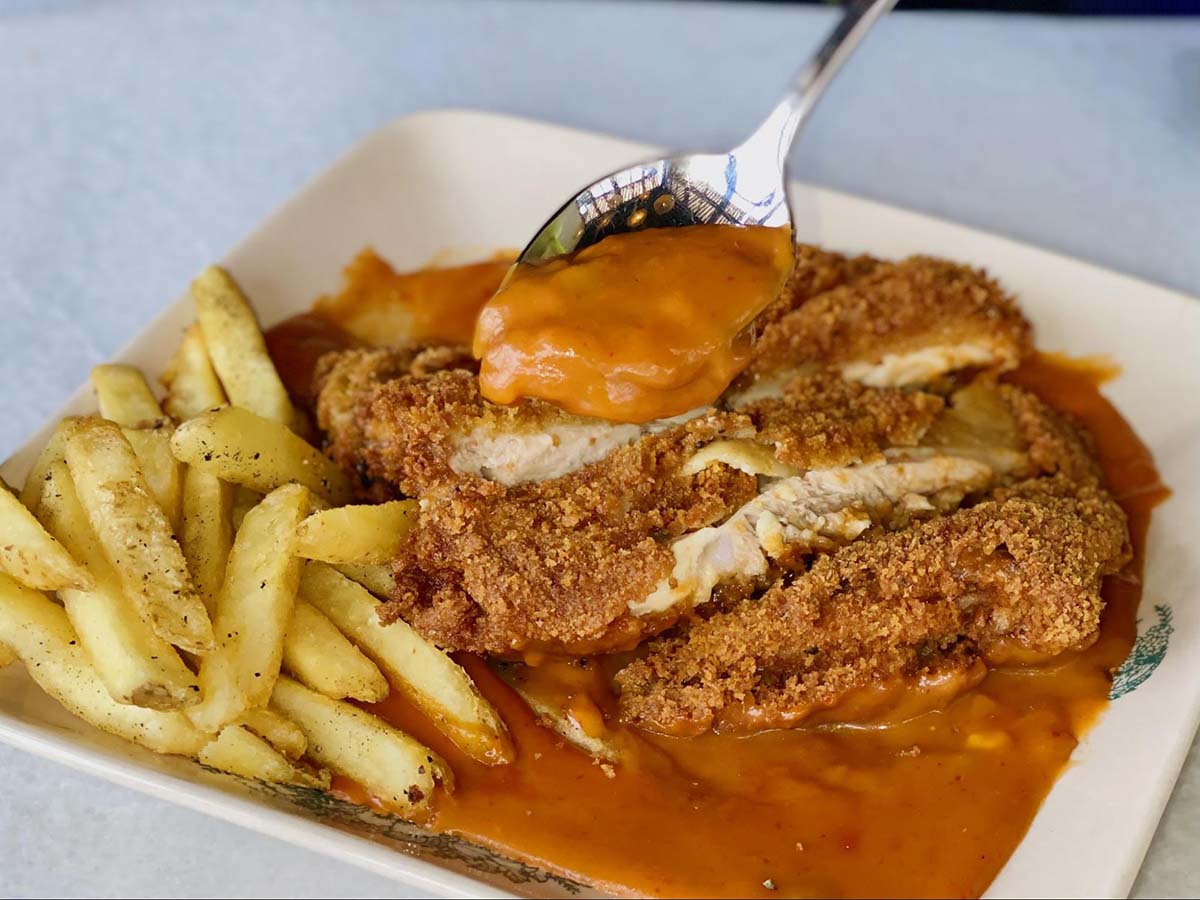
The tomato sauce looked more like a creamy Italian-style tomato sauce than the usual Hainanese version, but the flavour was closer to ketchup, with onions, green peas and sweet corn mixed throughout.
While the chicken was satisfying, the biggest surprise was actually the fries. Crispy on the outside, fluffy on the inside and noticeably better than the average frozen fries, they tasted homemade and ended up being my favourite part of the plate.
Ho Kow Hainan Kopitiam
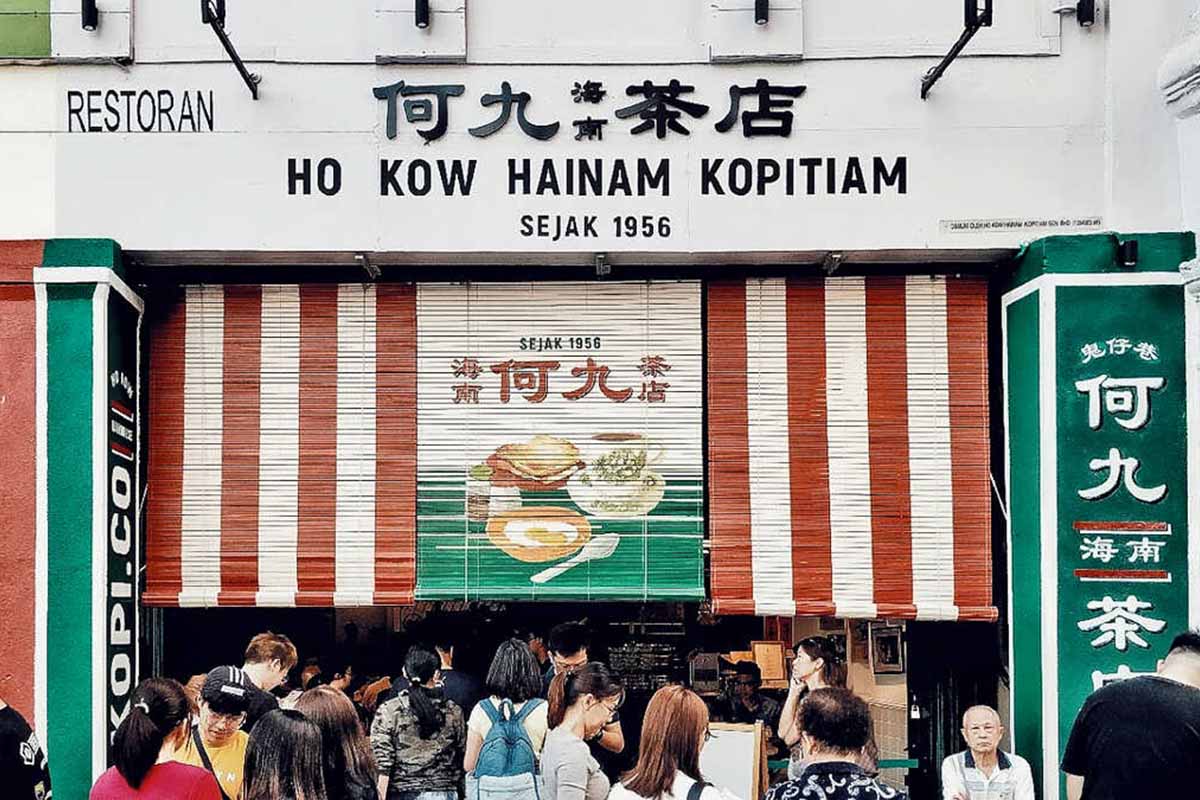
Established in 1956, Ho Kow Hainan Kopitiam has become one of KL’s best-known old-school breakfast spots. Tucked along Jalan Balai Polis near Chinatown, the kopitiam operates only until the early afternoon, yet long queues begin forming not long after its doors open at 7.30am.
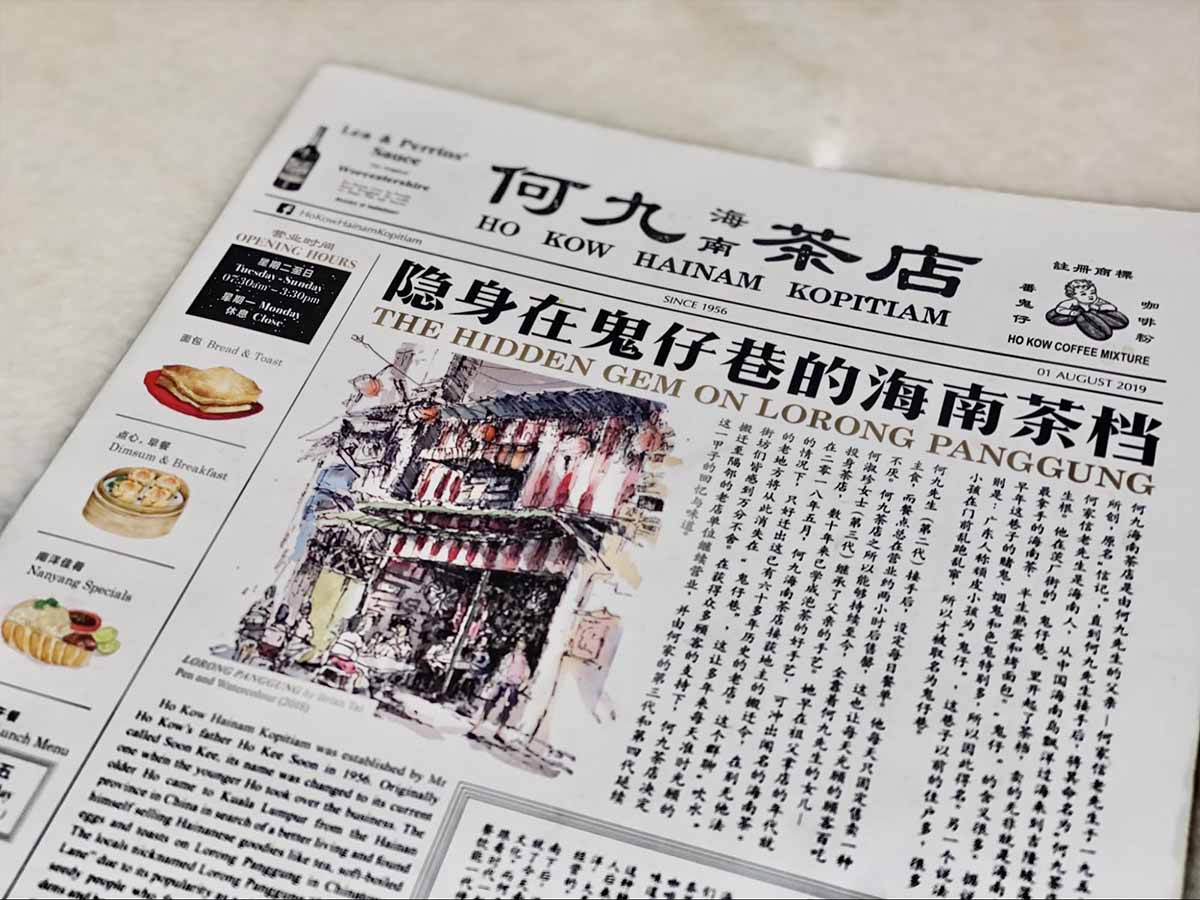
Upon arrival, diners are given a queue number based on their group size before waiting to be seated. After around 20 minutes, I was shown to a table on the second floor, which felt surprisingly cosy despite the building’s stuffy exterior.
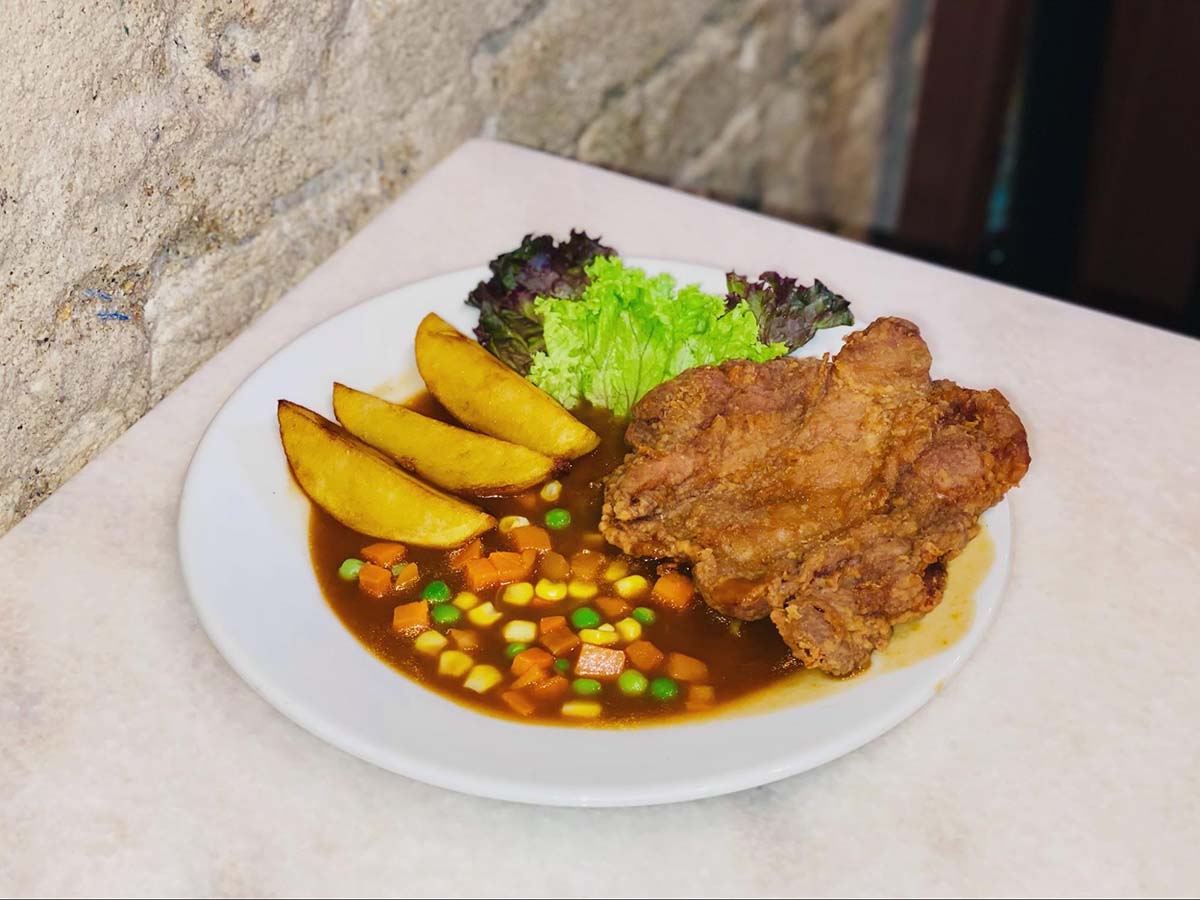
The Signature Hainanese Fried Chicken Chop (RM19.90) is one of the restaurant’s recommended dishes, so expectations were naturally high. It was also noticeably more affordable than Kopi Khuat’s version.
The presentation was refreshingly old-school: a fried chicken chop resting on a pool of sweet and sour sauce, accompanied by potato wedges and a simple lettuce salad.
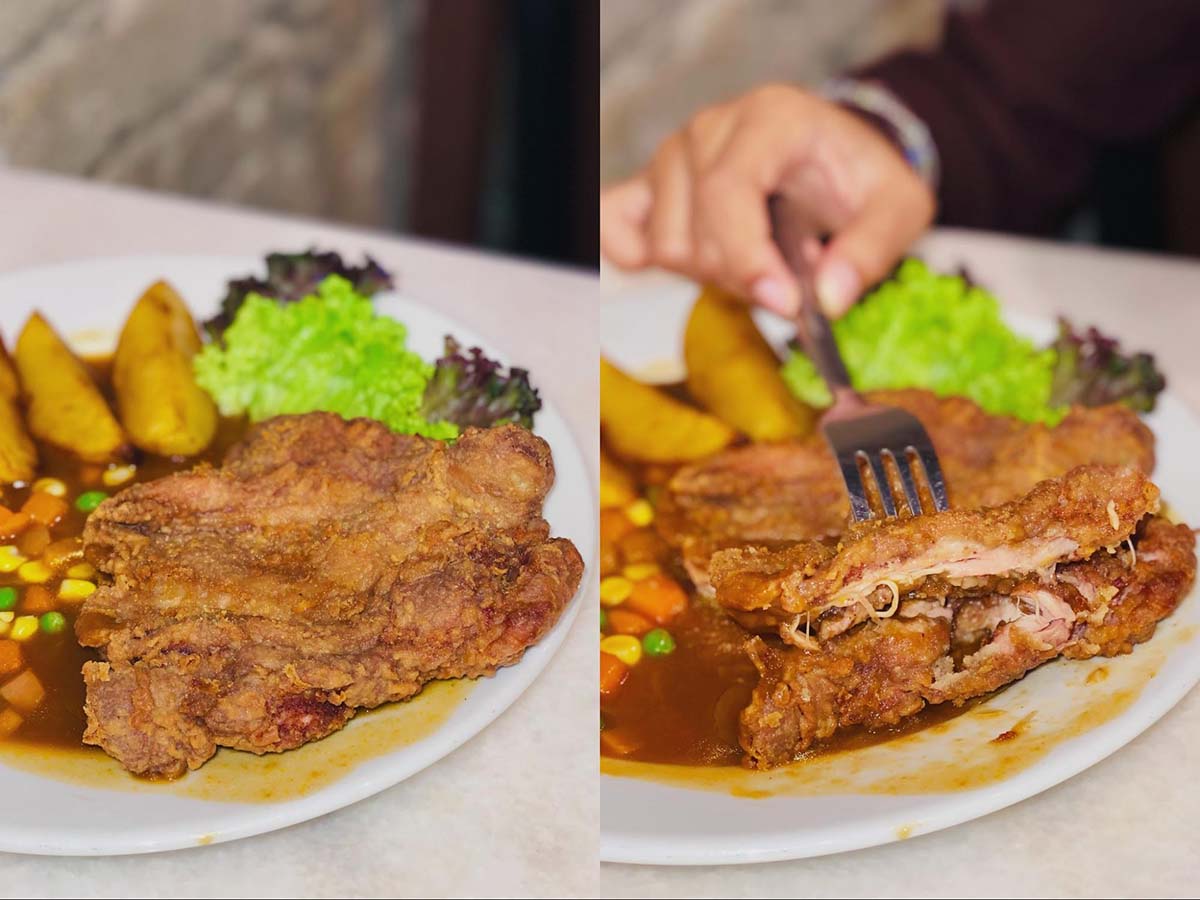
Unlike Kopi Khuat, Ho Kow sticks to the traditional flour batter without any breadcrumb texture. Although the chicken chop was slightly smaller and thinner, I found it more enjoyable overall. The batter was light and crispy, the chicken remained juicy, and the seasoning felt balanced, delivering the familiar flavour I’d expect from a classic Hainanese chicken chop.
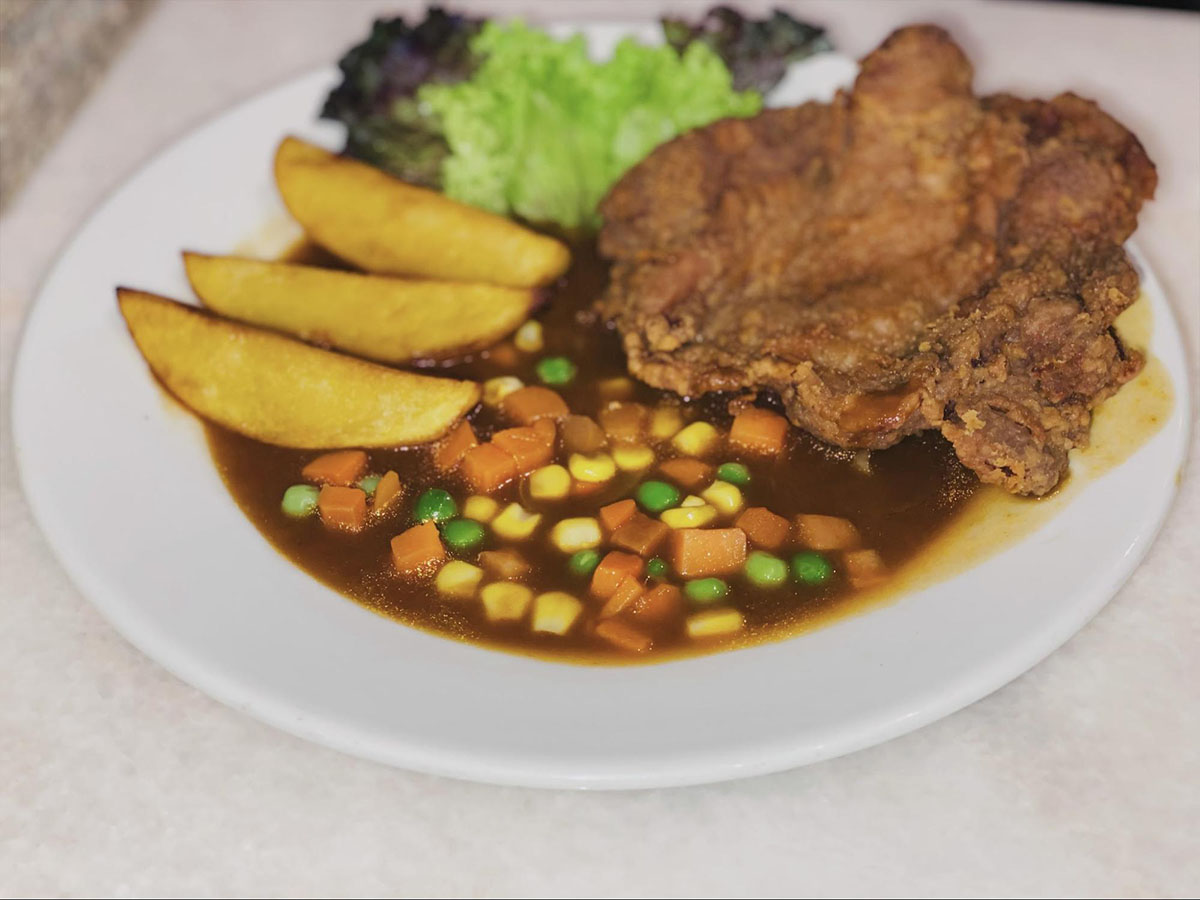
The sweet and sour sauce also leaned closer to the traditional version. It had a thinner consistency, with onions, green peas and sweet corn throughout, while the tomato flavour was subtler than Kopi Khuat’s.
That said, I preferred Kopi Khuat’s fries. Ho Kow served simple potato wedges that were softer and a little oily, lacking the crispy exterior that made Kopi Khuat’s fries so memorable.
Verdict
| Category | Winner | Why |
| Chicken | Ho Kow Hainan Kopitiam | Juicier flavour, crispier classic batter, more nostalgic. |
| Sauce | Ho Kow Hainan Kopitiam | More traditional sweet and sour flavour and consistency. |
| Fries | Kopi Khuat | Crispier, fluffier and tasted fresher. |
| Portion | Kopi Khuat | Larger serving and more filling. |
| Value | Ho Kow Hainan Kopitiam | Cheaper at RM19.90 vs RM26. |
| Overall | 🏆 Ho Kow Hainan Kopitiam | More faithful to the classic Hainanese chicken chop. |
For me, Ho Kow Hainan Kopitiam comes out ahead. Its chicken chop felt closer to the classic Hainanese version, from the lighter flour batter to the sweet and sour sauce, making for a more nostalgic and well-balanced plate.
Of course, taste is subjective. Some may prefer Ho Kow Hainan Kopitiam’s traditional approach, while others might enjoy Kopi Khuat’s slightly more modern interpretation. If you’ve tried both, which one gets your vote?
People also read:
What are the best kopitiams in Klang Valley?
Which modern kopitiam in PJ is worth visiting for their Hainanese food?