 Malaysia
 Singapore
 Thailand

I’m fairly certain I’m not the only one who has noticed the overwhelming number of Chinese-related eateries — both China-based and homegrown — popping up across Singapore over the past few years.
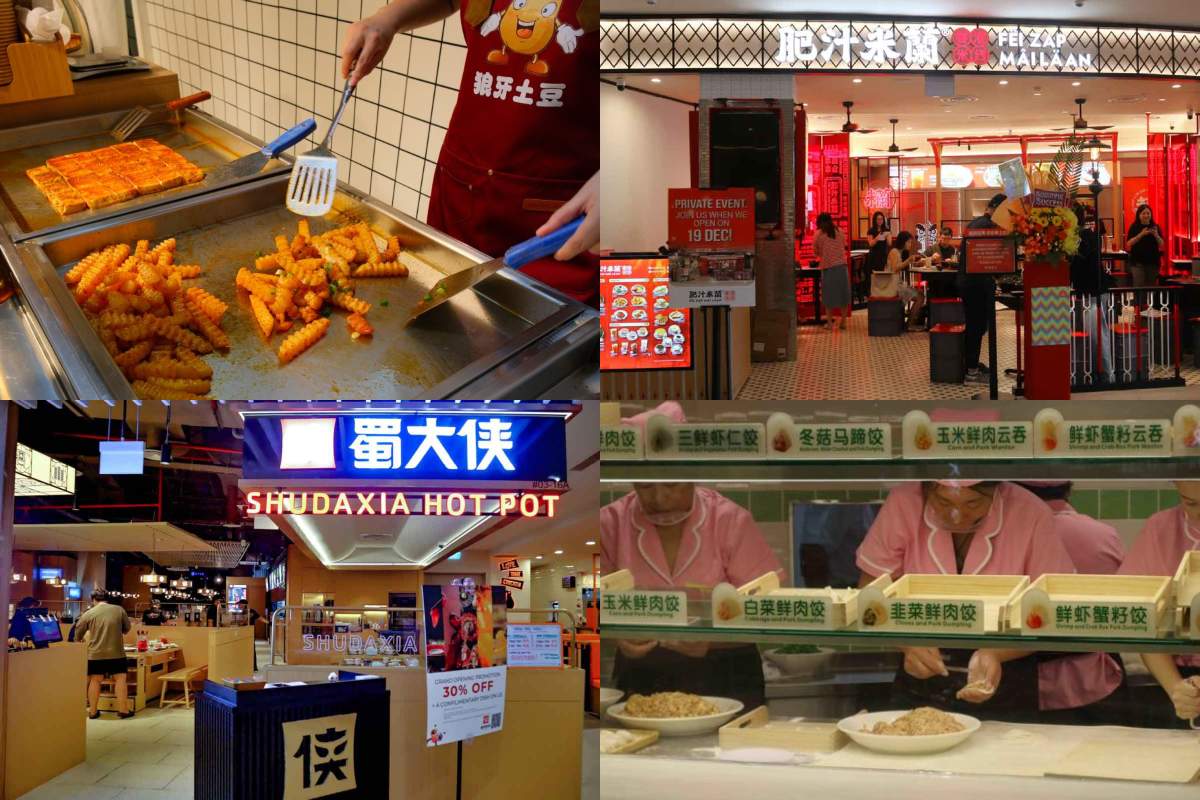
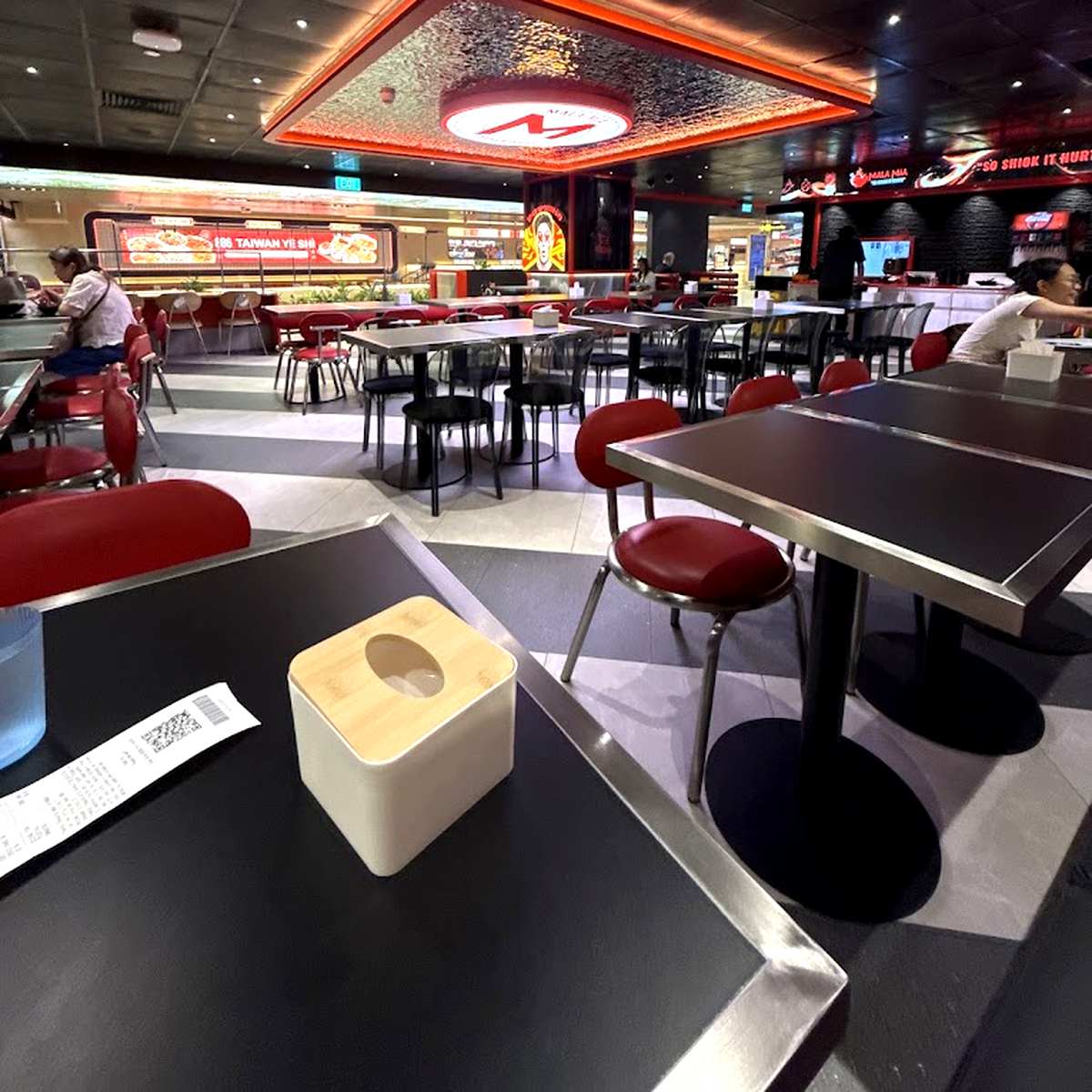
A few years ago, eateries specialising in sauerkraut boiled fish, mala hotpot, chuan chuan (Chinese BBQ skewers), and mixian were largely concentrated in areas like Chinatown and Geylang. However, this is no longer the case, as such eateries can now be found in major shopping centres, heartland malls, and even neighbourhood town centres.
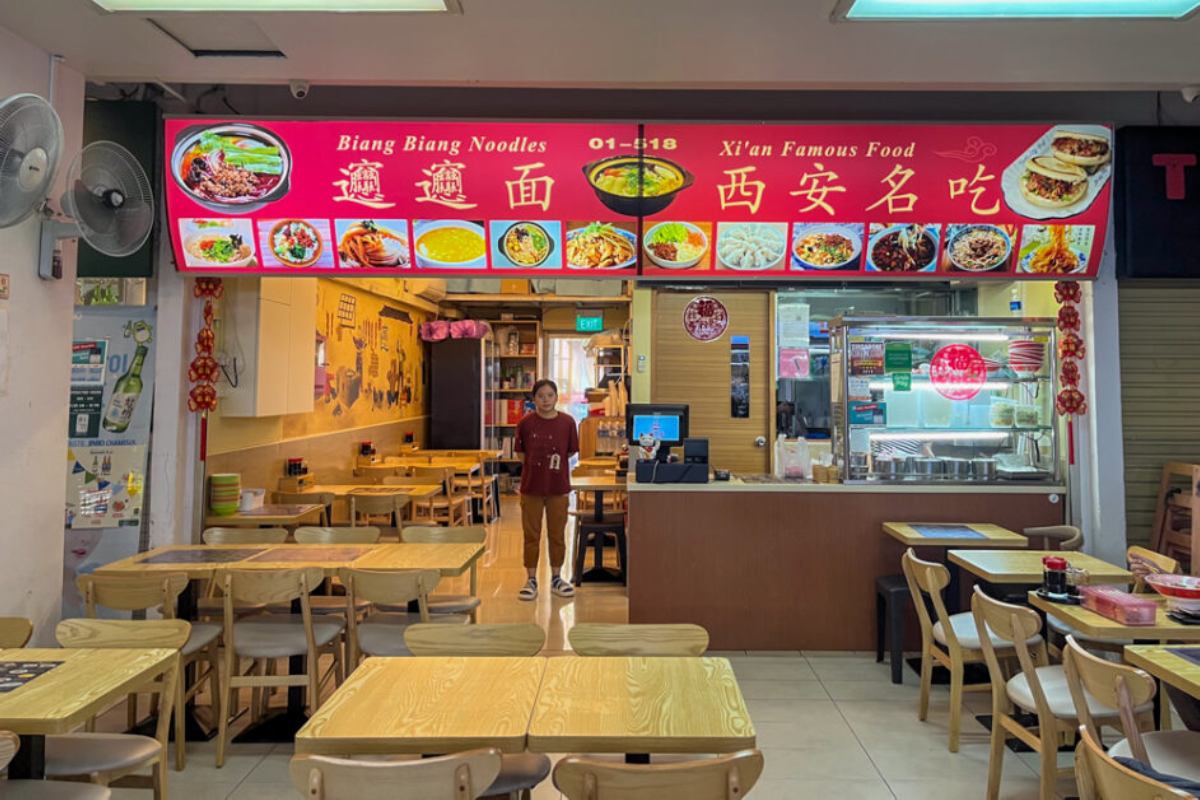
Want a perfect example? Look at Food Alley at 190 Lorong 6 Toa Payoh, opposite HDB Hub. In a single row, there are not 1, not 2, but 5 such establishments: Xi’an Famous Food 西安名吃, Mi Bone Broth Malatang, Hong Fan Tian Mala Hotpot, Xiang Yu Hunan Cuisine (湘遇湖南菜), and Shaxian Snack 沙县小吃. It’s no wonder I overheard a lady exclaiming to her friend, “Is this Singapore or China?”
Then you have businesses like So Do Fun (蜀都丰), a Sichuan restaurant chain, Shu Da Xia, a Chengdu hotpot chain, and Fei Zap Mai Laan, a China-based Hong Kong rice noodle spot, all penetrating Singapore’s F&B scene.
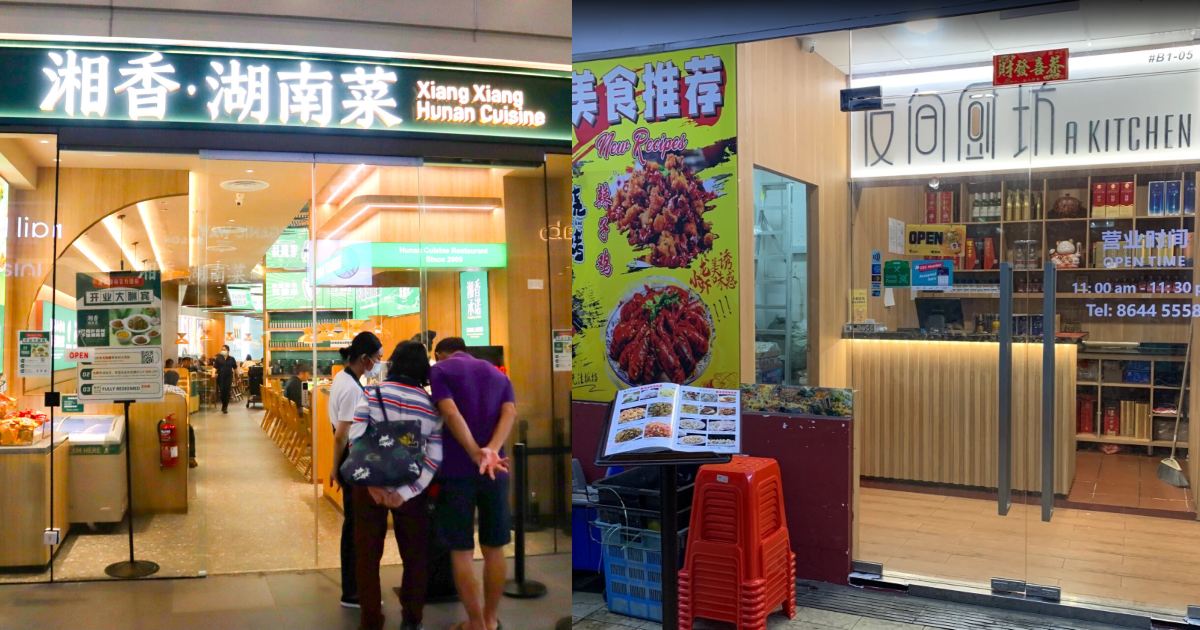
Homegrown brands like A Kitchen 友间厨坊 and Xiang Xiang Hunan Cuisine are also extremely popular, with the latter having grown to over 20 outlets on our shores.
I reached out to a couple of local chefs to get their honest take on how the food scene has shifted.
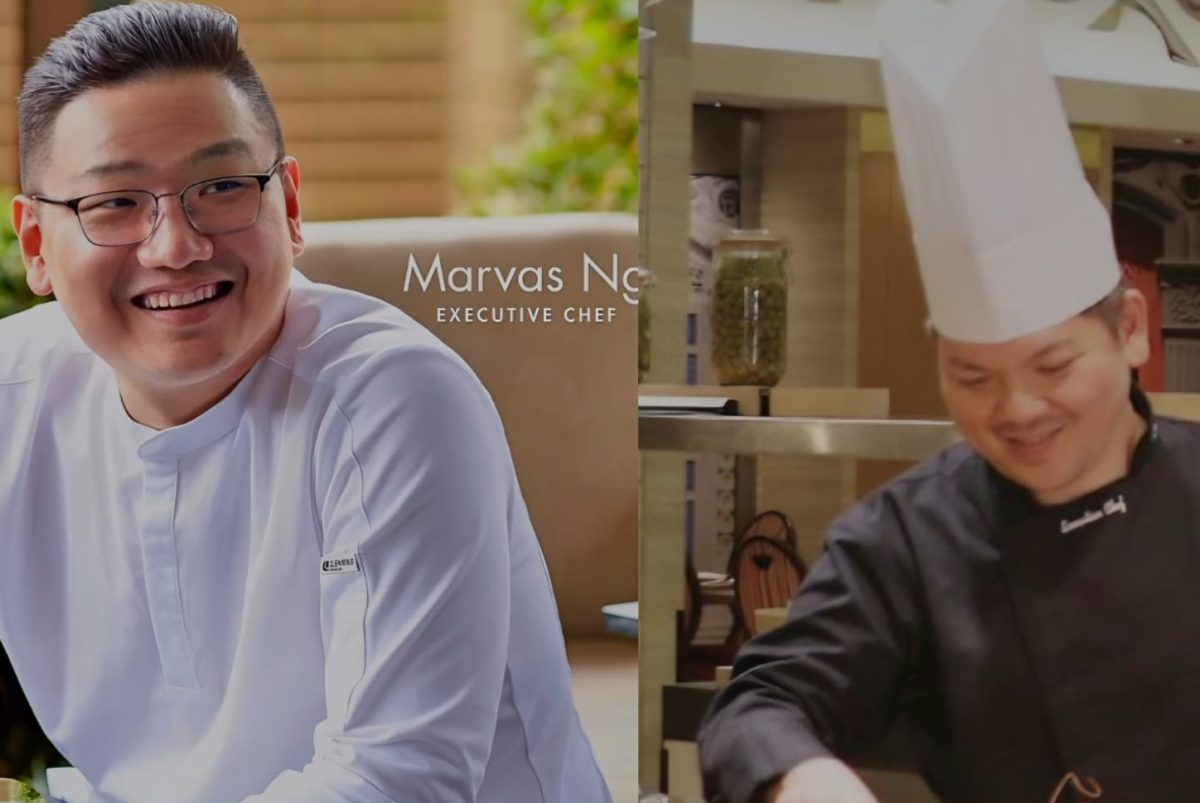
Chef Marvas Ng of Qin Restaurant & Bar over at The Clan Hotel Singapore said, “Its popular with locals not only for its reasonable price point, but also because of its 新鲜感 (novelty) where they want to try new cuisines. He also touched on startup costs, stating that most of the equipment and food products are sourced directly from China. “They handle the imports themselves which helps them save a significant amount of money,” he added.
Executive Chef Darren Ong of Royal Plaza On Scotts gave his two cents. “The main issue here is rental. Investors from China have full capital to setup regardless of the rent.” Like Chef Ng, he also said that they are able to bring in their own ingredients at a cheaper cost, which enables them to offer discounts to the public.
Another reason could be that more malls are being acquired by Chinese companies. Elegant Group, which owns Grantral Mall @ Clementi and Changi City Point, recently bought over The Clementi Mall for S$809 miillion. That might explain why Grantral Mall @ Clementi has several Chinese-centric food spots such as 面面MEET Noodles, Sichuan Tianfu Restaurant, and Zhang Ji Yun Jiao.
My friend from China who works in Singapore shared that Chinese nationals who set up food businesses in Singapore usually have a common goal of obtaining an EntrePass. This enables them to apply for Permanent Residency (PR) in Singapore in the future, though the result is not guaranteed.
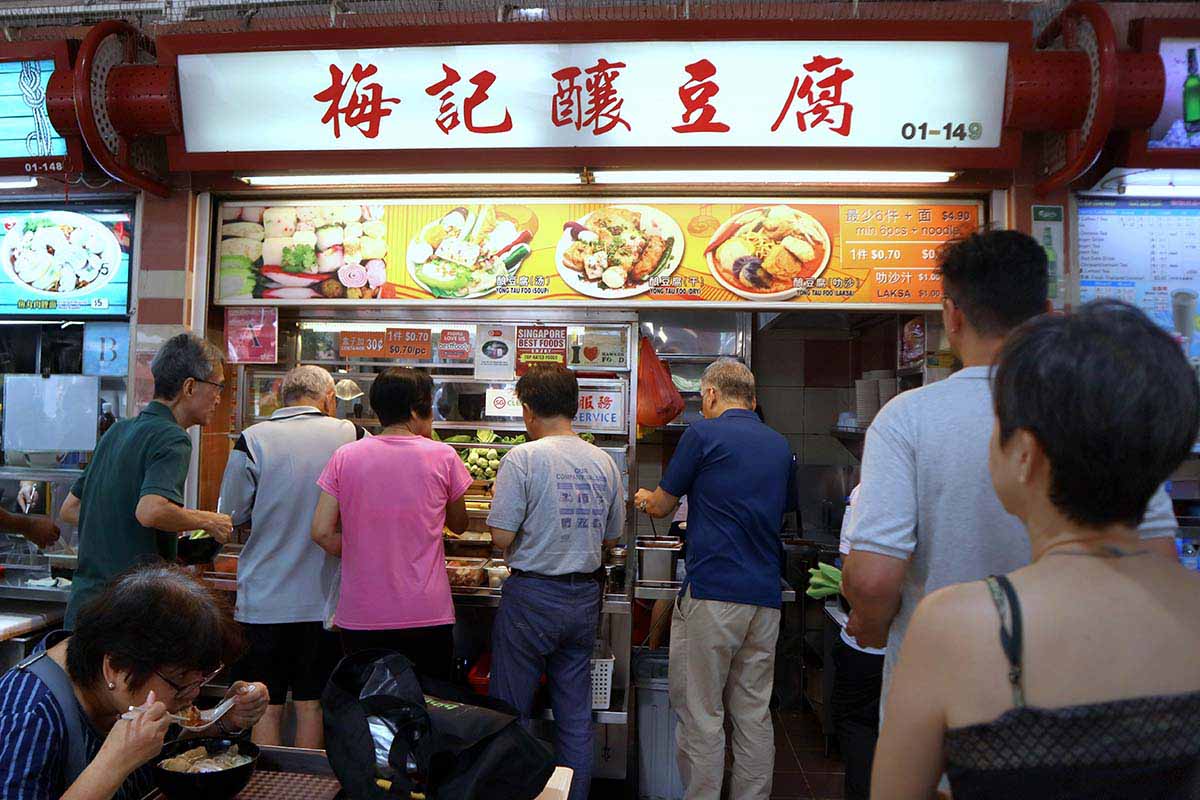
Like it or not, it’s a fact that Singapore’s hawker culture is gradually diminishing as more veteran hawkers are retiring faster than their children/new entrants who are stepping in to take over or start their own businesses.
Do Singaporeans actually favour native Chinese cuisine over our local delicacies like carrot cake and Hokkien mee, among others? Someone told me that it’s a collective effort for Singaporeans to support our local hawker culture.
Yes, many of us say that we value hawker culture, but do we really practice what we preach? In my humble opinion, it’s not that Singaporeans are pushing local food aside — it’s that convenience, novelty, and modern dining formats are quietly reshaping priorities. If hawker culture is to survive meaningfully, it can’t rely on sentiment alone; it needs conscious support, and a new generation willing to carry the ladle forward.
What are your thoughts on this topic? I would like to hear your honest opinions.
15 stalls at Yishun Park Hawker Centre that you will brave the bad & the mad for [Oct 2025 Update]