 Malaysia
 Singapore
 Thailand

On 1 Apr, the Singapore Food Agency announced that it had approved the import of pork blood products into Singapore. All imported products must adhere to safety guidelines, including a health certificate confirming compliance with Singapore’s food standards.
Since its ban in 1999, some of us may have forgotten the taste of dishes with pork blood or might not have tasted it at all. Pork blood is often added to dishes such as soups and stews to thicken the broth for a richer and stronger, and very distinct flavour profile.
It was typically used in some of the local dishes that we all know and love — pig organ soup, congee, and kway chap. Pork blood didn’t just have an impact in Singapore but in the rest of Southeast Asia too.
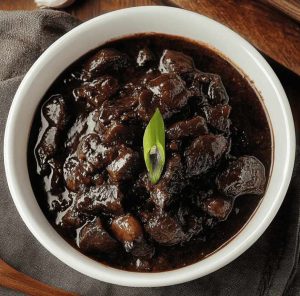
A dish that uses pork blood is Dinuguan. Diniguan is a traditional Filipino stew, that has a savoury and bold, gamey taste. It is typically made by straining pork blood to remove the residue before adding it to pork slices. Water and spices are also added, making the broth more robust.
You may be wondering why pork blood products were banned in the first place. The ban was introduced in 1999, during the spread of the Nipah Virus, a zoonotic virus that could be transmitted by pigs.
When 11 Singaporeans were infected by the virus, the government chose to ban pork blood entirely. 27 years later, the Singapore Food Agency has assessed that the Thailand facilities, from where the pigs’ blood will be sourced, have met food safety standards and requirements, leading to the removal of the ban.
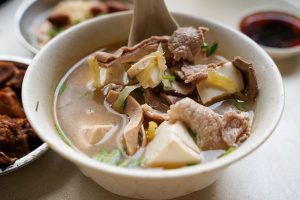
With the return of pork blood, dishes which use the product will again have that authentic flavour we have been missing. Diners can go back to re-living their childhood favourites, instead of simply reminiscing about them, and a new generation of Singaporeans can discover what they have been missing.
Thai Seng Fish Soup: 1-hour long lunchtime queue for this beloved fish soup