 Malaysia
 Singapore
 Thailand

Having grown up surrounded by Japanese culture, I sometimes feel a bit disconnected from my Chinese roots. If my ancestors discovered that I knew more Japanese dishes than Chinese, I’d likely be struck by lightning. That’s why the concept behind You Fu Ban Mian Ramen in Anchorvale Village Hawker Centre intrigued me.
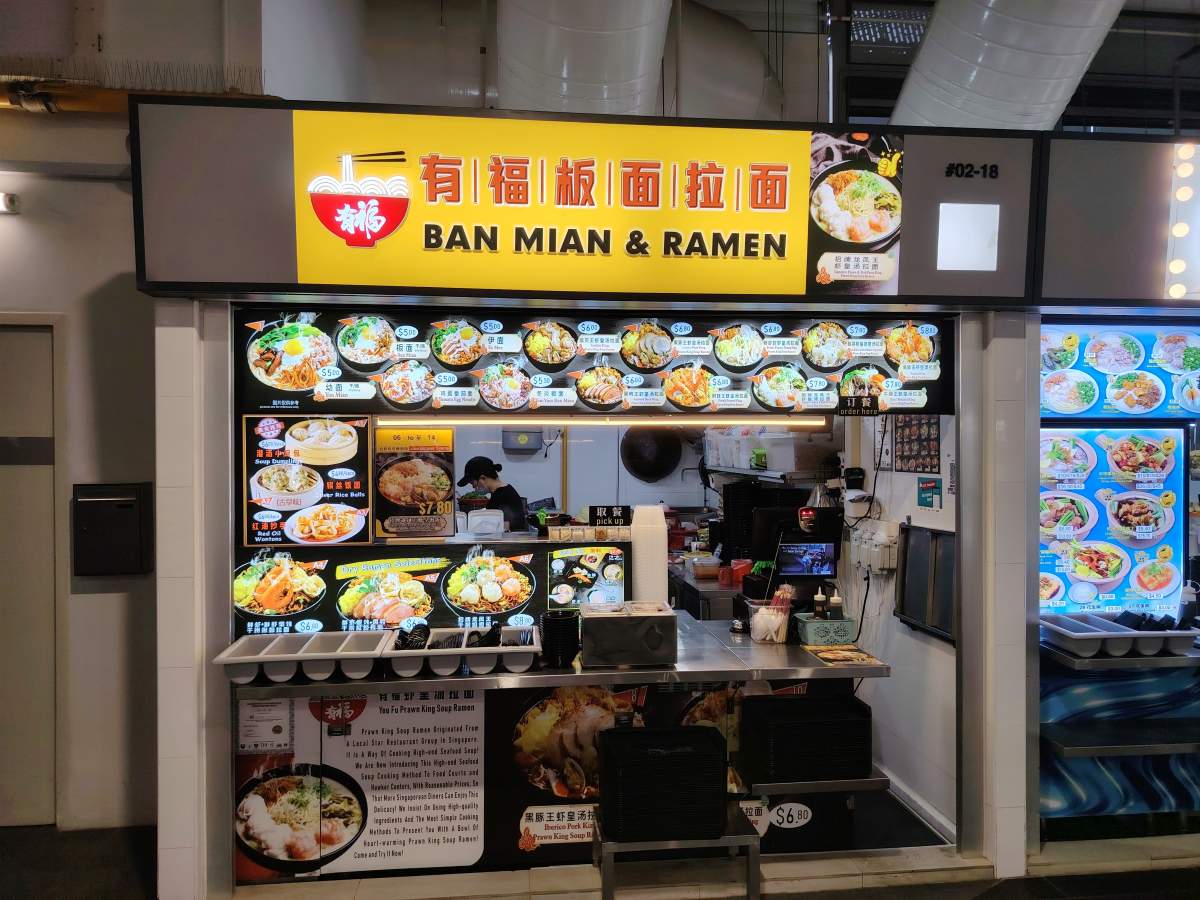
It’s essentially in the name. You Fu Ban Mian Ramen merges Chinese ban mian and Japanese ramen, fusing two dishes that are similar yet distinct into a unique brand of cuisine.
According to a poster at the front of the stall, they aim to bring high-quality prawn king soup to a hawker setting, using only the best ingredients and simple cooking methods. Well, I’ll be the judge of that. Having tried so many hawkers and restaurants for work, I was not so easily swayed by the flowery language.
In the end, the best way to decide is through the crucible of my belly.
What I tried at You Fu Ban Mian Ramen
The online reviews of You Fu Ban Mian Ramen didn’t paint a pretty picture. Apparently, there’s a huge quality gap between the chefs who front the stall, with the female chef being significantly better. I can’t really confirm these claims, but they did sit at the back of my mind as I tried the food.
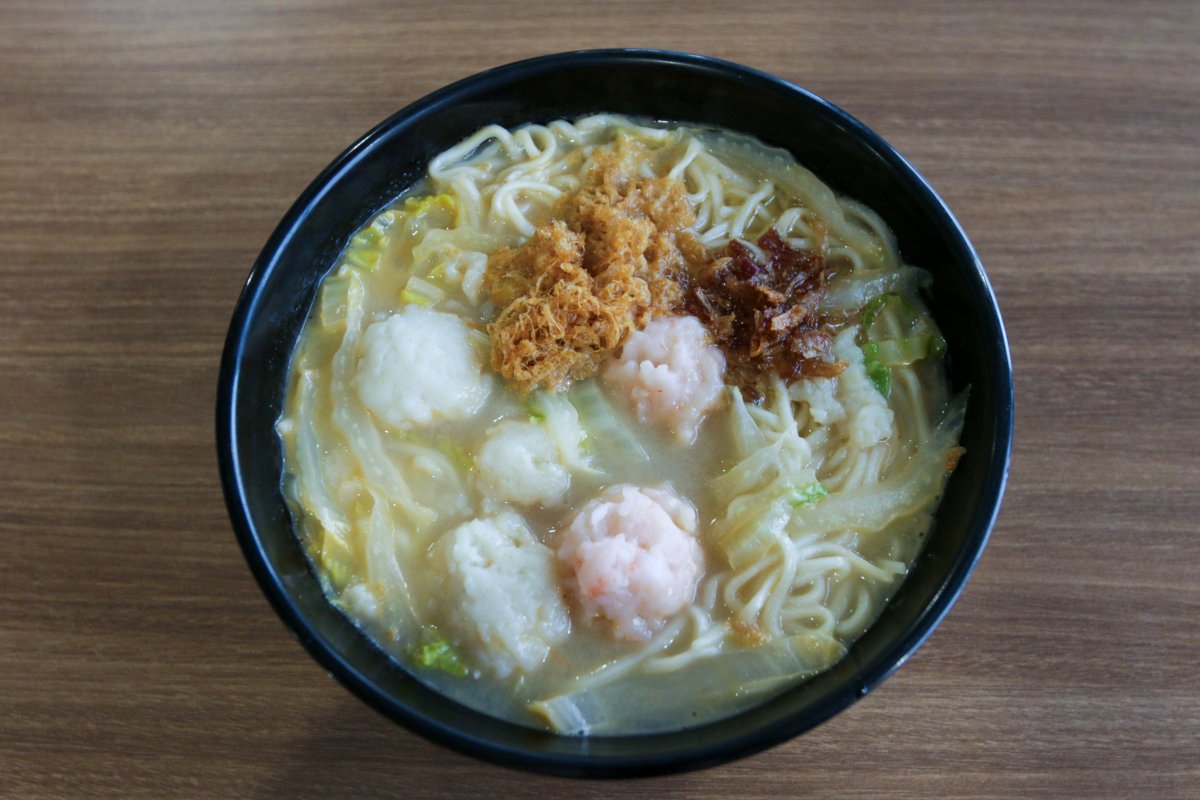
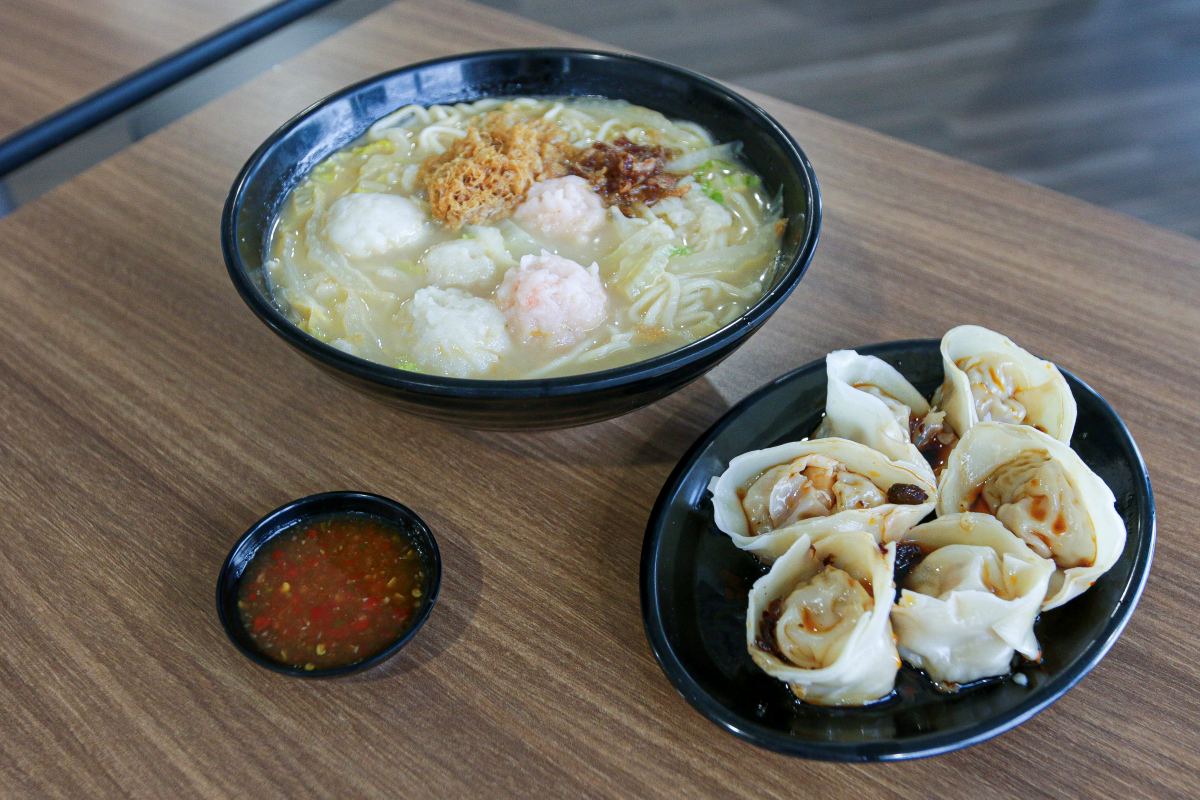
First up, their Signature Prawn & Fish Paste Prawn King Soup Ramen (S$7.80), which is certainly a mouthful. I actually struggled to read the dish’s name in Mandarin; how embarrassing.
The first thing that caught my eye was the egg floss. I’ve seen some sprinkled onto dry ramen before, but I never thought I’d find it in soup ramen.
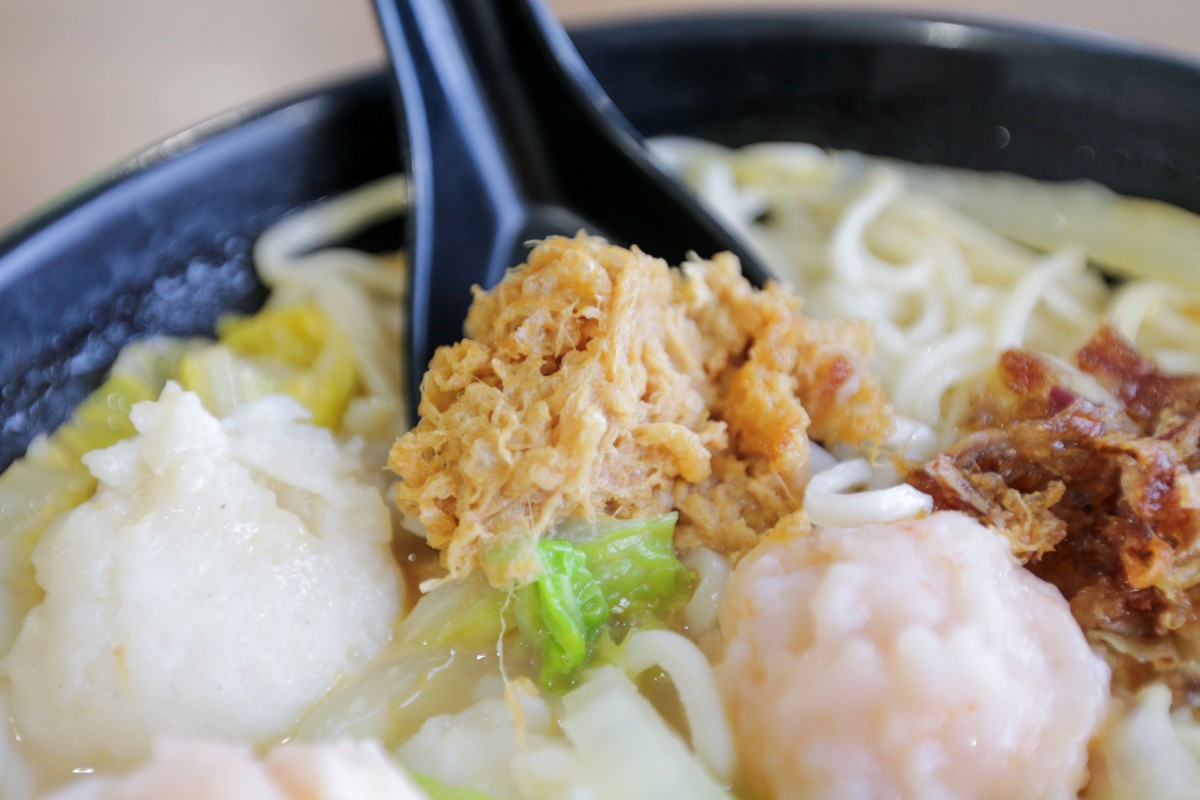
You see, egg floss generally doesn’t go well with soups, as it causes the floss to clump together. Sadly, that was exactly what happened in the ramen. I had trouble pulling the clumps apart when I tossed the ramen, and it really added nothing to the overall dish.
I still think egg floss in soup ramen is an adventurous concept worth trying, but more care needs to be put into sprinkling the floss to ensure it doesn’t stick together.
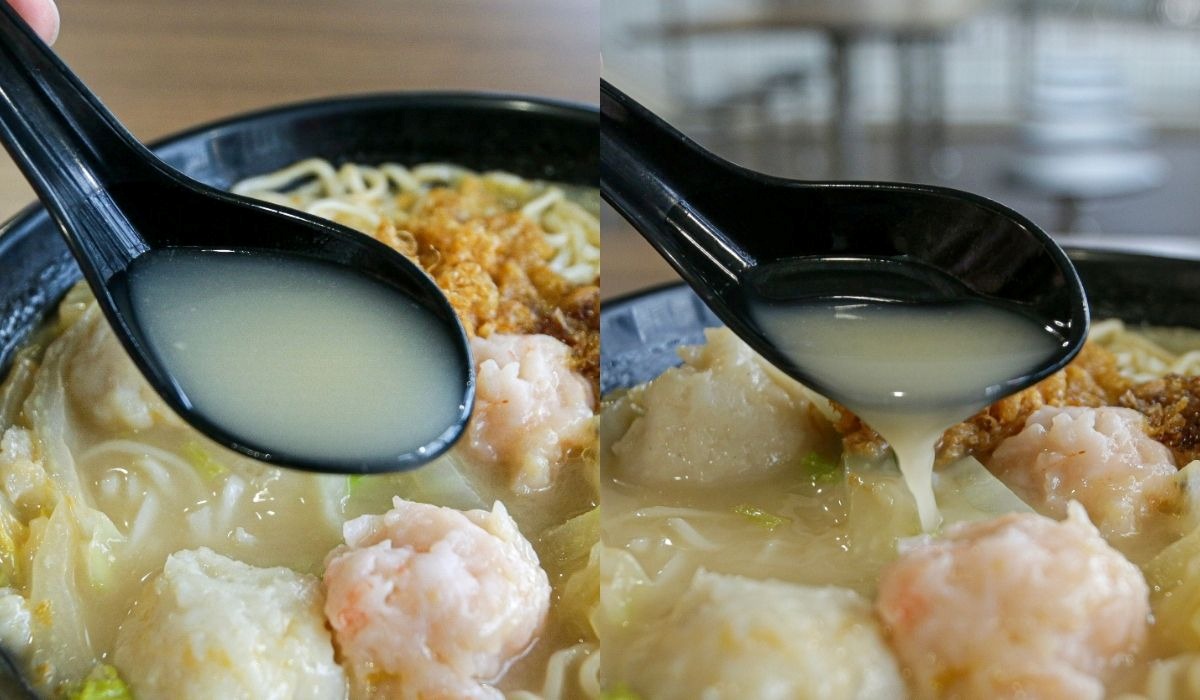
Half of a ramen is its broth, so I viewed the Signature Prawn & Fish Paste Prawn King Soup Ramen‘s broth with a keen eye. You can immediately tell that it isn’t your traditional ramen broth, as it’s thin and translucent, unlike anything I’d seen before.
I was overwhelmed by the MSG, which accompanied the soup’s mild prawn and radish-like flavour. Honestly, it was a bit much, even for someone with a strong tolerance for MSG like me. Overall, the broth gave a strong showing when first sipped but lacked depth.
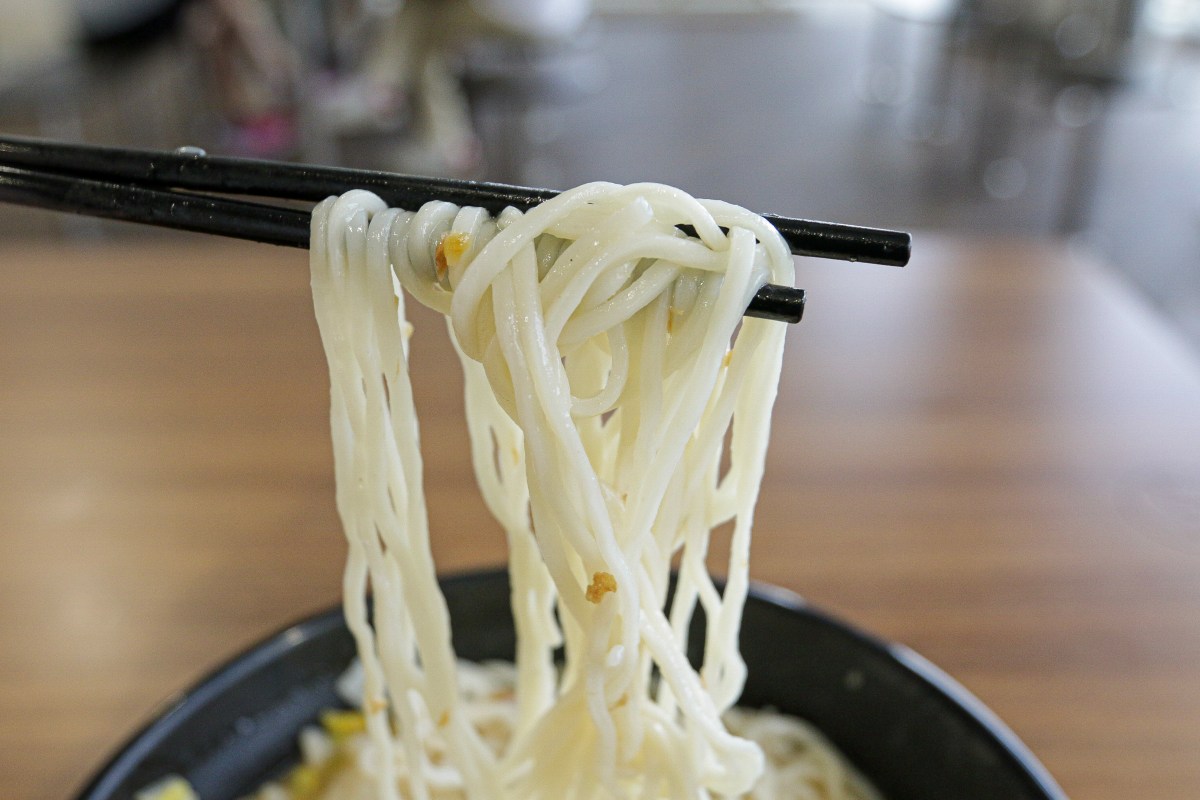
The noodles weren’t terrible, but I could tell from the quality that they were store-bought and not handmade. While I’m not a purist who only likes it handmade, there’s a ceiling when it comes to store-bought variants. Each strand had a decent firmness and springy texture, but nothing remarkable or special.
There was a slight blandness to it, which did well to counter the sheer power of the MSG.
Mugiwara Tonkotsu Ramen: Hawker stall serving $6.50 bowls of tonkotsu ramen
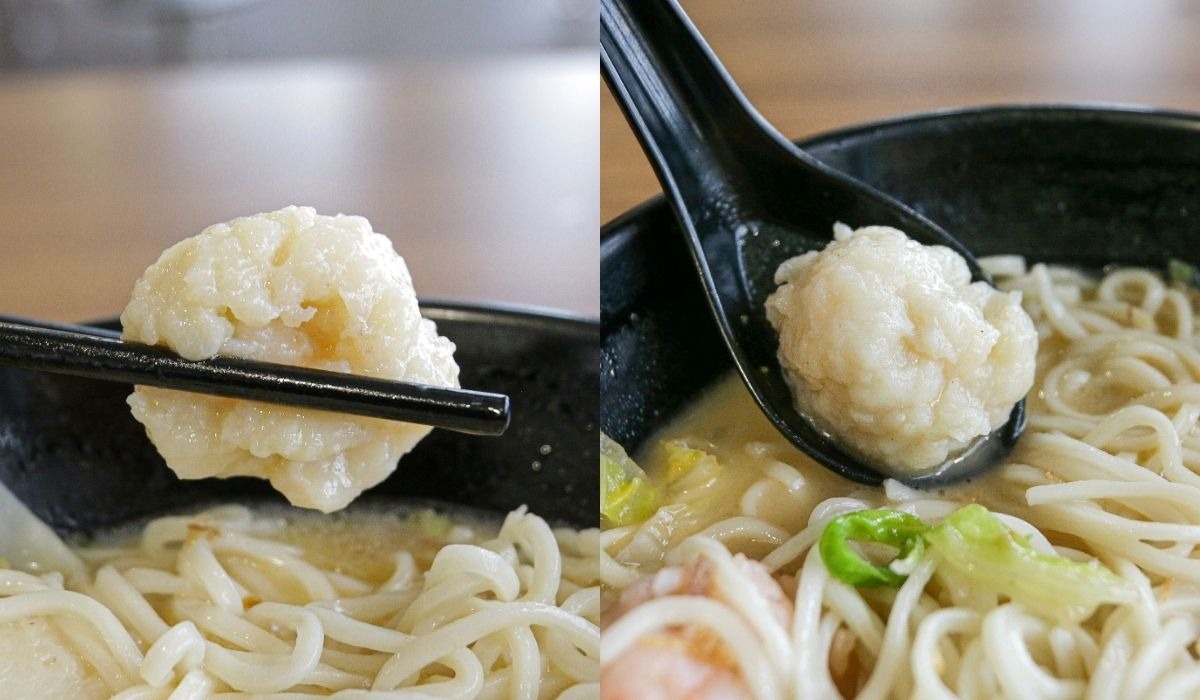
There were 3 fish paste balls in my bowl. Given that these usually come in hotpots, it was quite a treat to have them here. Granted, it was in the dish’s name, so not much of a surprise. The balls were the right level of chewy and left peppery notes.
My only issue is the inconsistent shape. As you can see, one ball looked as if it had a chunk bitten out.
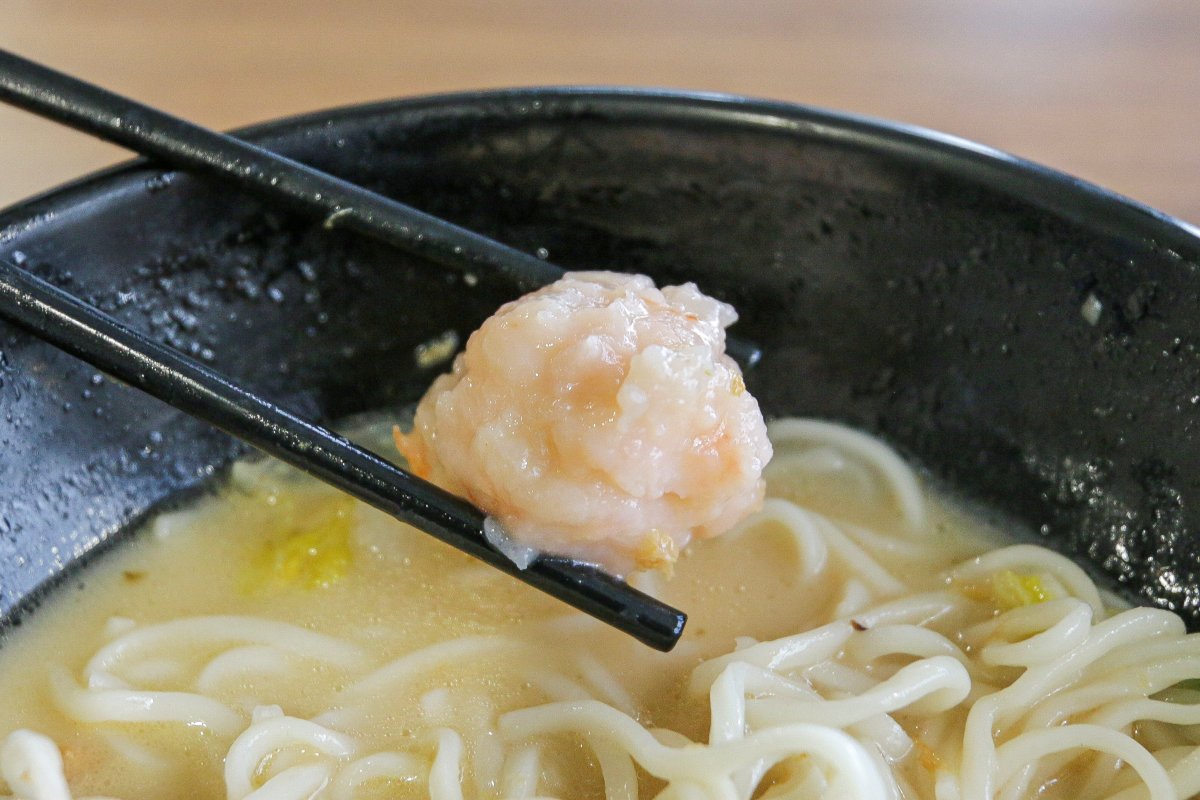
While the fish paste balls’ taste was reminiscent of their hotpot variant, the prawn paste ball was almost 1-for-1. Not like that’s a bad thing, but I certainly expected a bit more from a hawker that prides itself on selling prawn king soup.
I’m not asking for giant prawns that take up half the bowl, but substituting the real thing with paste balls doesn’t leave the best impression.
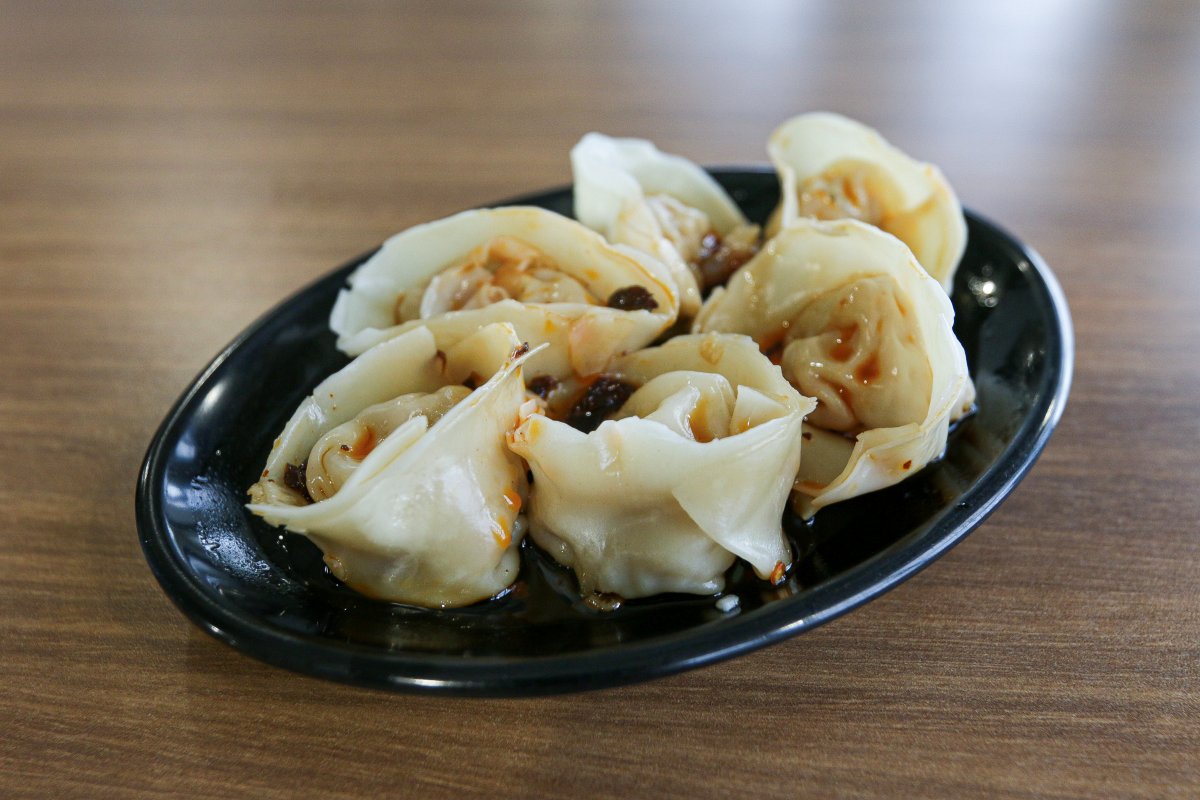
I also wanted to try You Fu Ban Mian Ramen’s curiously named Silver Rice Balls (S$4.80 for 4pcs), but they weren’t available even though I arrived early. Perhaps they take a long time to prepare? Anyhow, I opted for their Red Oil Wantons (S$6 for 6pcs) instead.
When I received the plate, I first thought, “Wait, where’s the chilli oil?” Turns out, it was all at the bottom of the plate. Maybe a black plate isn’t the best for chilli oil wantons aesthetically.
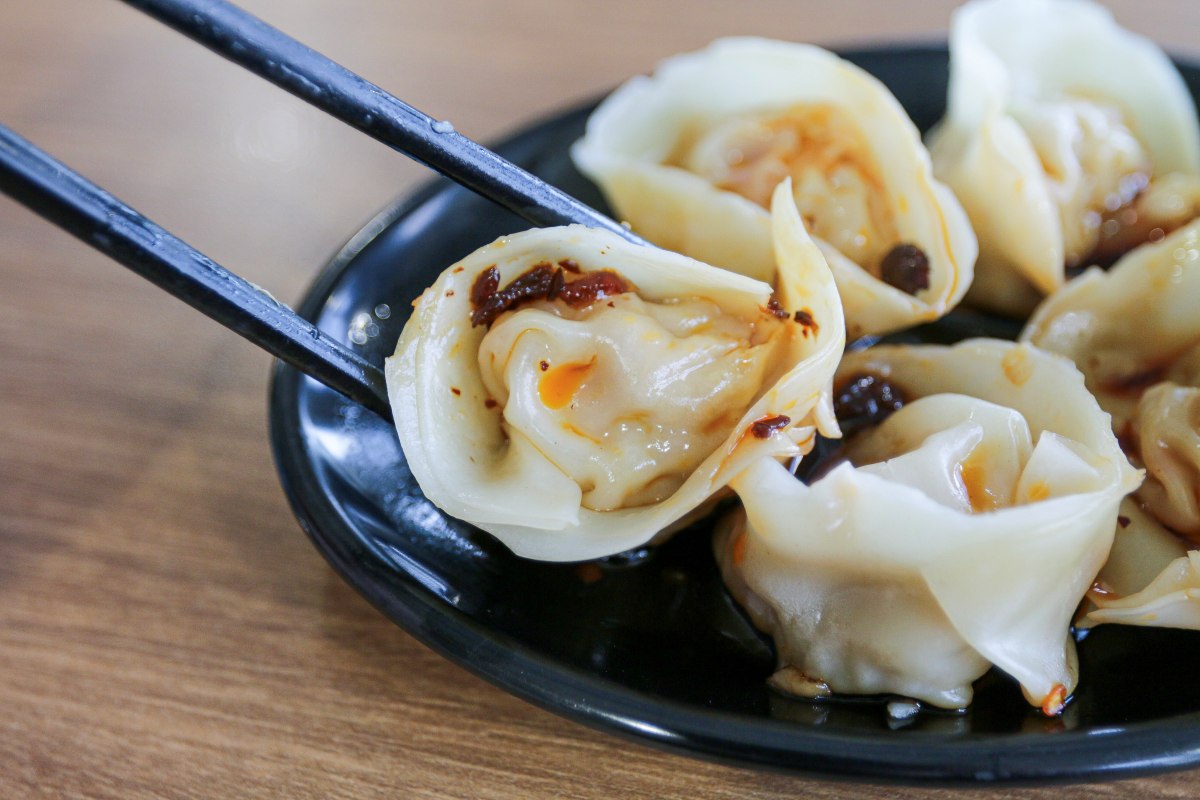
Speaking of aesthetics, I loved the rose-like shape of the wantons. It’s a welcome departure from the regular designs of wantons. However, that’s as much praise as it’s going to get. The prawn filling within the wantons was average, and I felt zero spiciness from the chilli oil.
Now, nothing on the menu said that it was chilli oil. However, when you go to a Chinese hawker or eatery and see a plate of dumplings coated in red oil, you expect it to be chilli oil. It was honestly a bit disappointing.
Final thoughts
I used to treasure every ramen stall in hawker centres because they were so rare. Nowadays, they seem to be on the rise. I don’t think You Fu Ban Mian Ramen squares up to the ramen greats of Singapore, but it’s not terrible. If I were stuck in Anchorvale on a rainy day, I might just pop by for another go.
People also read:
Which is Singapore’s best-rated ramen spot?
Which stalls at Anchorvale Village Hawker Centre are highly recommended?