 Malaysia
 Singapore
 Thailand

Since I was at Chinatown and craving for something spicy, I headed to The Asian Makanstall at Chinatown Complex. Run by couple Bobby and Wendy, its signature Katong Laksa costs $4.50.
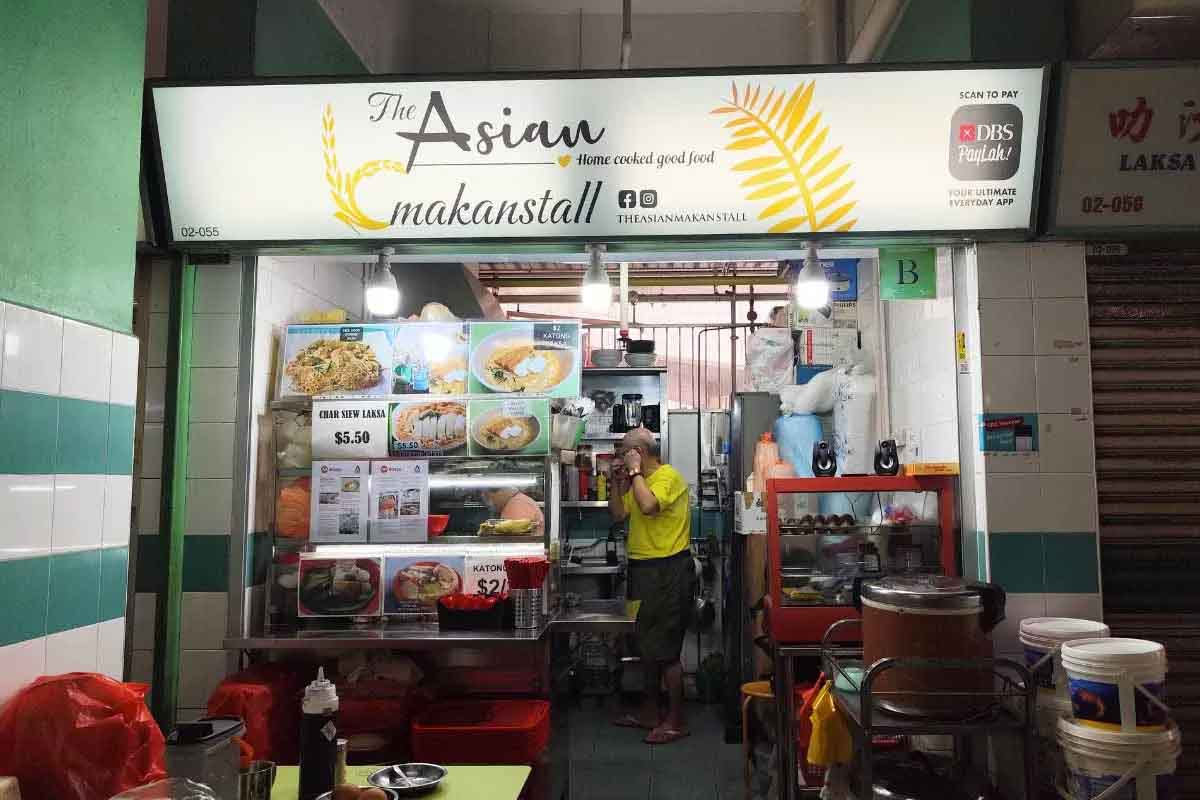
Previously, due to donations, the couple were able to sell the laksa for just S$2.50 as a pay-it-forward initiative. Unfortunately, the funding has run out and they have reverted the price to S$4.50. It’s a challenge to keep prices affordable these days given the rising costs of ingredients and rent. The stall even shifted locations within Chinatown Complex Food Centre 4 times in the last 9 years to save on rental.
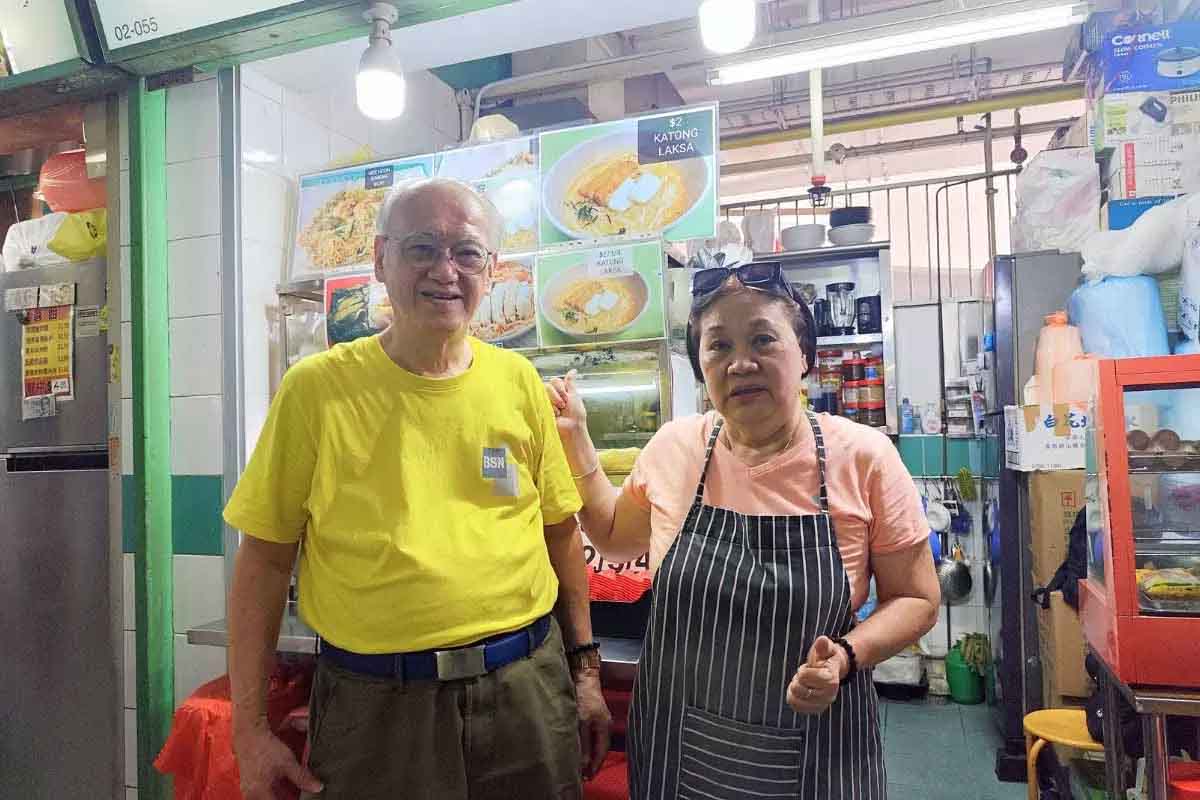
Running a hawker stall isn’t Bobby’s only source of income, as he usually works as an insurance advisor. However, this means that off days are unpredictable since he has to set aside stall duties to fulfil other responsibilities.
What I tried at The Asian Makanstall
The Asian Makanstall’s laksa is their bestseller. While Bobby has previously offered dishes like Fuzhou oyster cake, biryani and even CNY cookies, he still finds laksa to be his bestseller.
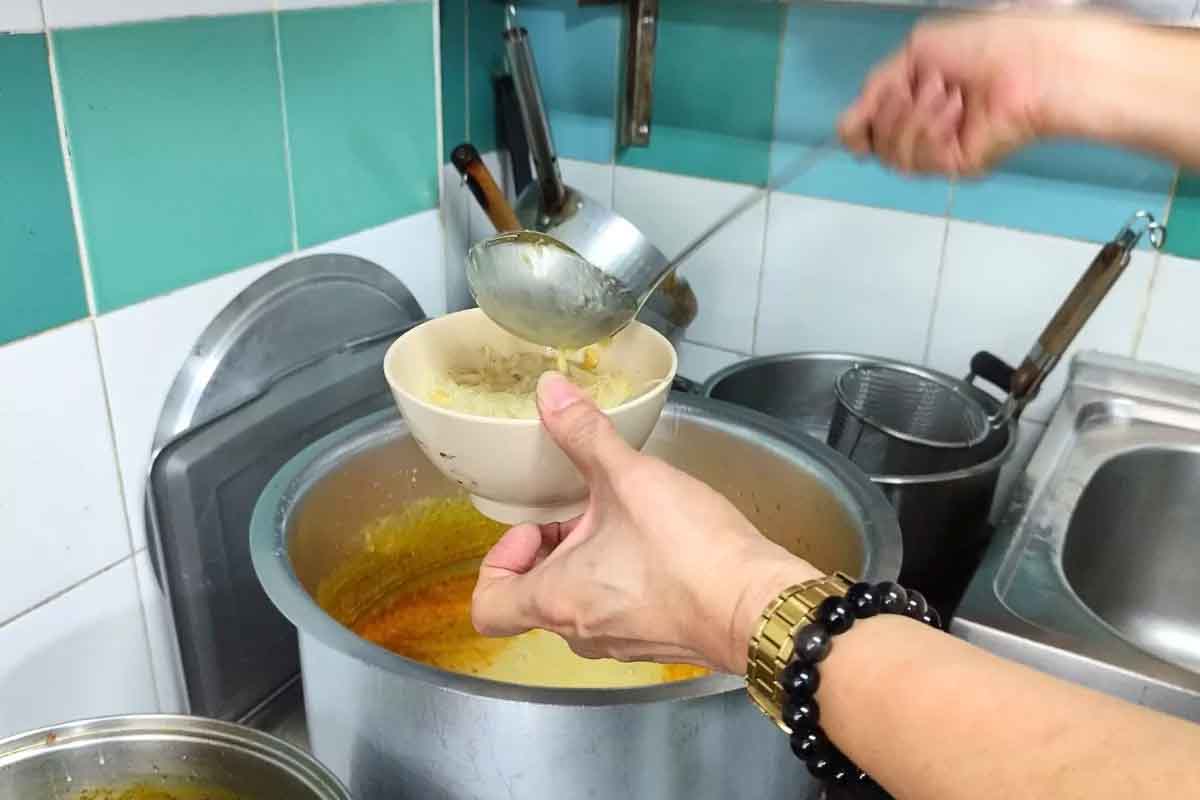
First, thick bee hoon and bean sprouts are blanched for around 30 seconds (for the smallest serving). Bobby uses a timer for this as he’s particular about providing the best quality possible. “If you agak agak, it might not cook properly.” Next, they go into a bowl and fragrant laksa broth is ladled over them.
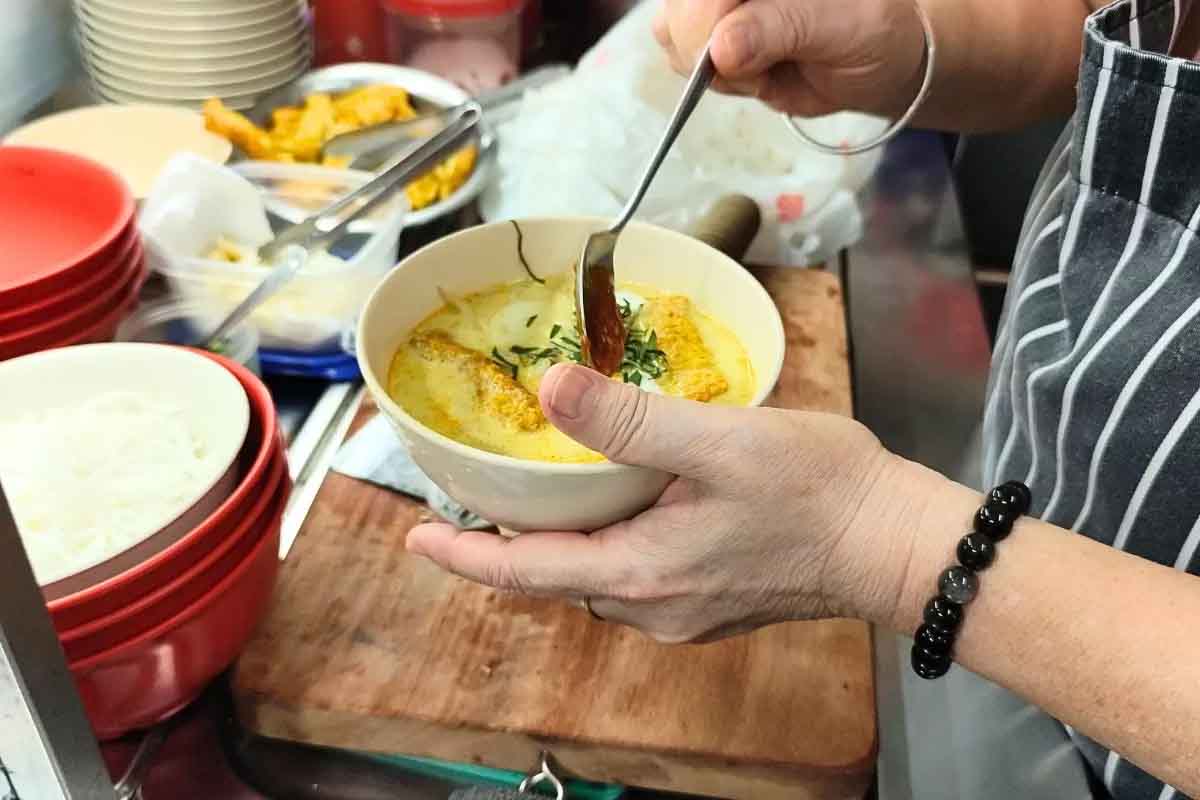
The bowl is then handed over to Wendy, who adds the tau pok, fishcake, laksa leaves and sambal to complete the dish. When asked why they didn’t serve blood cockles, Bobby explained that they used to but stopped due to fluctuating demand. “One small can of hum costs almost S$6 these days, and they go bad easily. It’s not worth it if not everyone wants it in their laksa.”
Chinatown claypot rice showdown: Guan Heng Claypot Chicken Rice vs Lian He Ben Ji Claypot
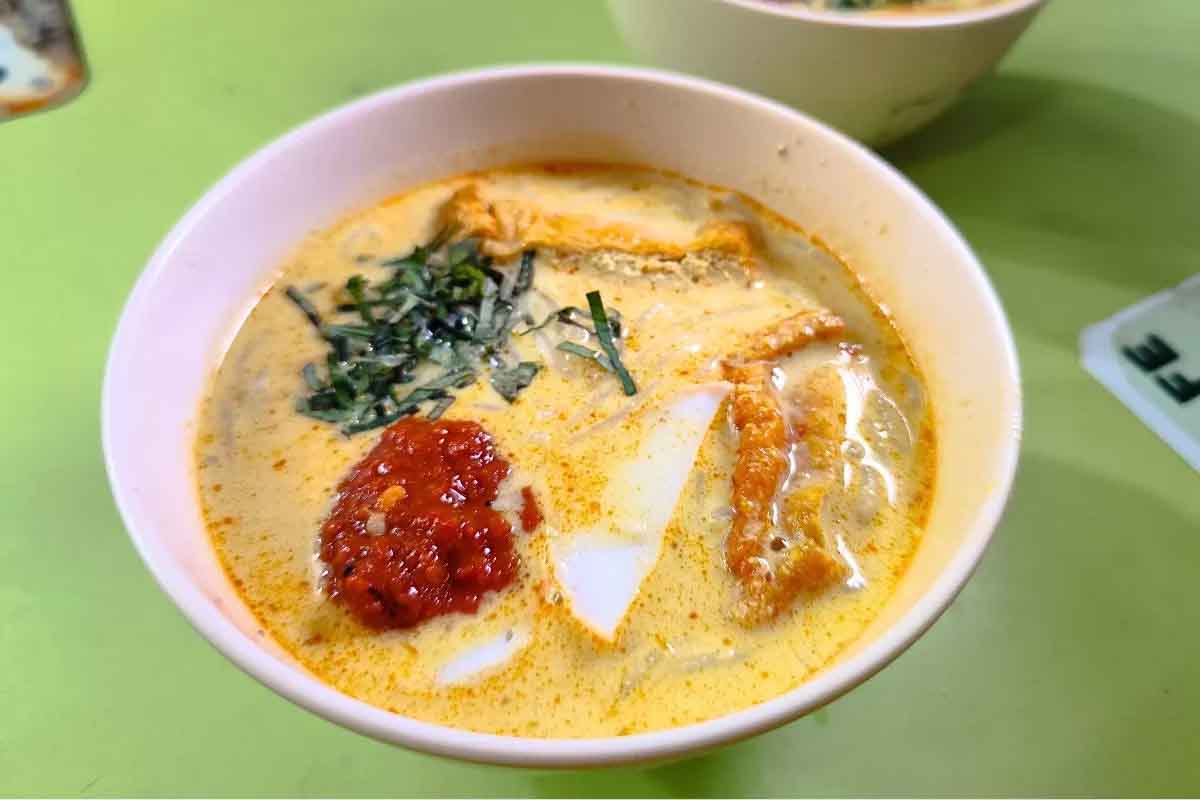
While simple, the sight of the Katong Laksa and the enticing smell that wafted from it made my mouth water. As soon as my camera had eaten its fill, I dived for the bowl.
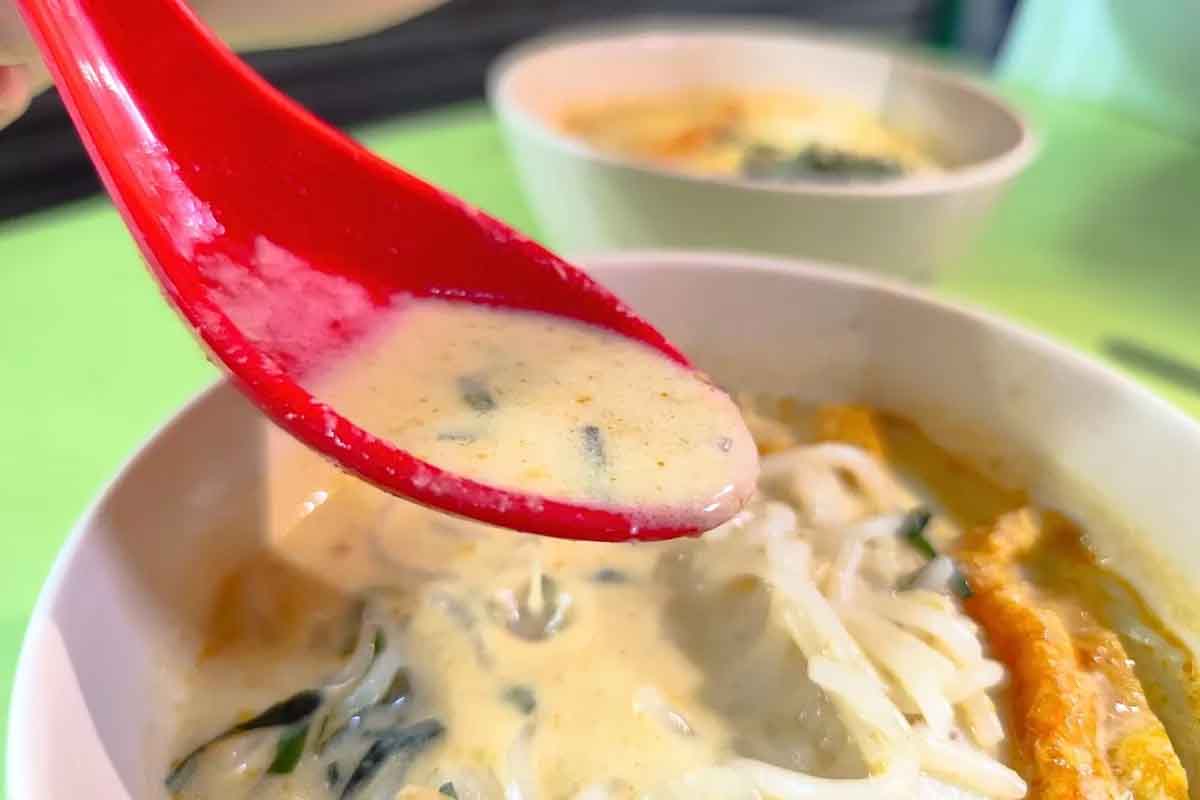
Creamy coconut milk provided the main flavour base for the broth. Thick and aromatic, it was mostly smooth except for the laksa leaf bits which provided a chew to each mouthful. It was mildly sweet from the cream and citrusy and herbal from the leaves – what’s not to love?
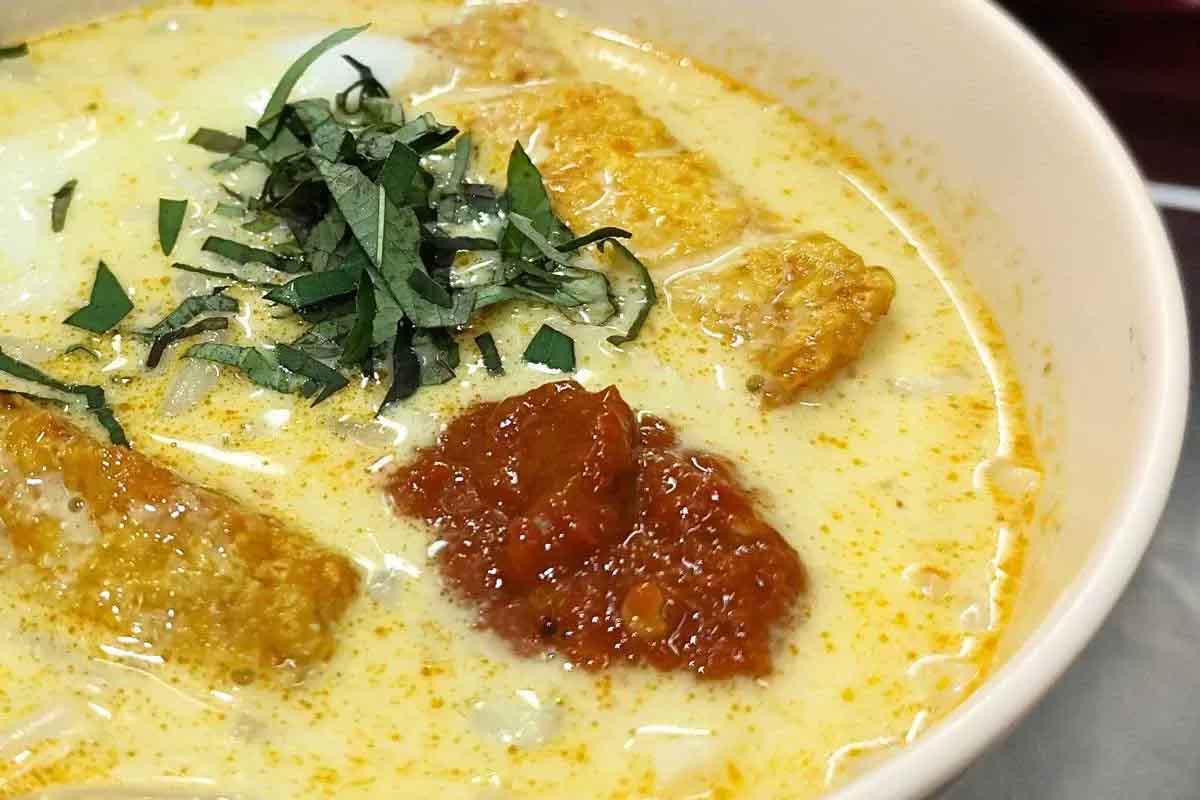
What I liked about The Asian Makanstall’s broth was that even with the sambal, it didn’t feel too spicy. I enjoy some heat but prefer not to torture my tastebuds, thank you very much. (Looking at you, extreme mala lovers. Masochistic lot you are.)
It seemed to make sense given that the broth wasn’t as vibrantly orange-coloured as some others I’d seen. There wasn’t a full-on spiciness, rather a pleasantly warm aftertaste remained in my throat. It’s no wonder that it tastes good because the sambal is homemade! Bobby fries up and blends chillies and shrimp paste to create a batch of this special topping weekly.
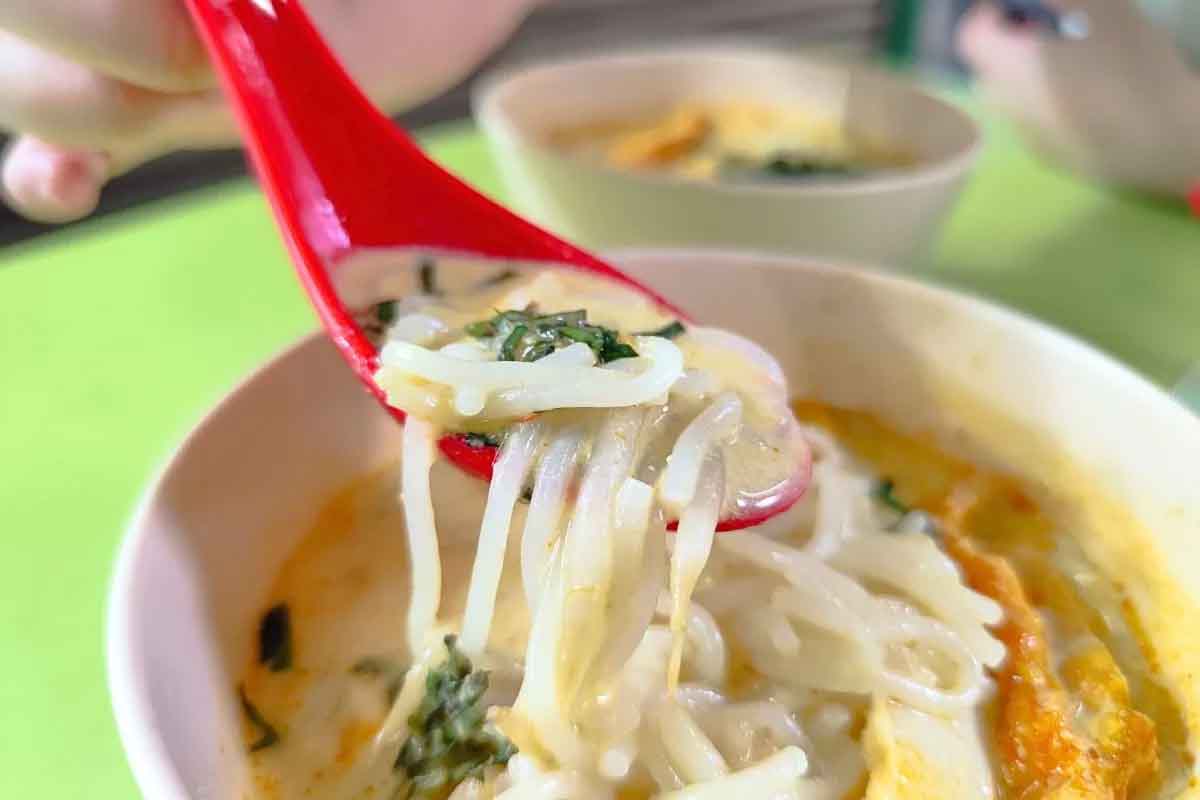
Typical Katong-style laksa can be eaten with just a spoon, as the noodles are cut into smaller pieces for convenient scooping. I eagerly spooned up the thick bee hoon pieces, which were slippery and soft with the rich broth. Some people prefer other kinds of noodles like hor fun with their laksa, but bee hoon is still the best choice for me.
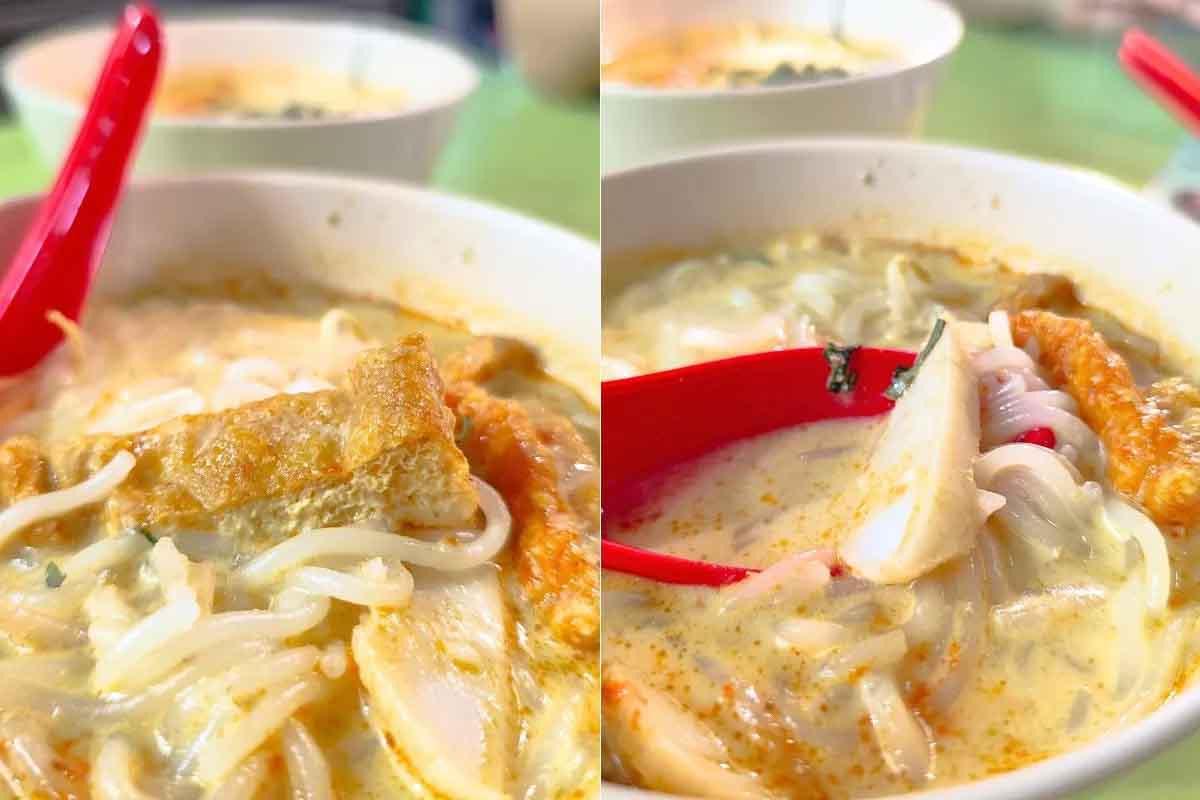
Like a sponge, the tao pok soaked up the luxurious gravy and released it as I chewed. Delicate and light, it served as protein alongside the small but dense fishcake slices. The latter provided a fishy sweetness, but it was hard to detect when coated with the flavourful soup.
Other variations of the laksa are also available, such as Prawn Laksa (S$5.50) and Chicken Laksa (S$5.50).
Final thoughts
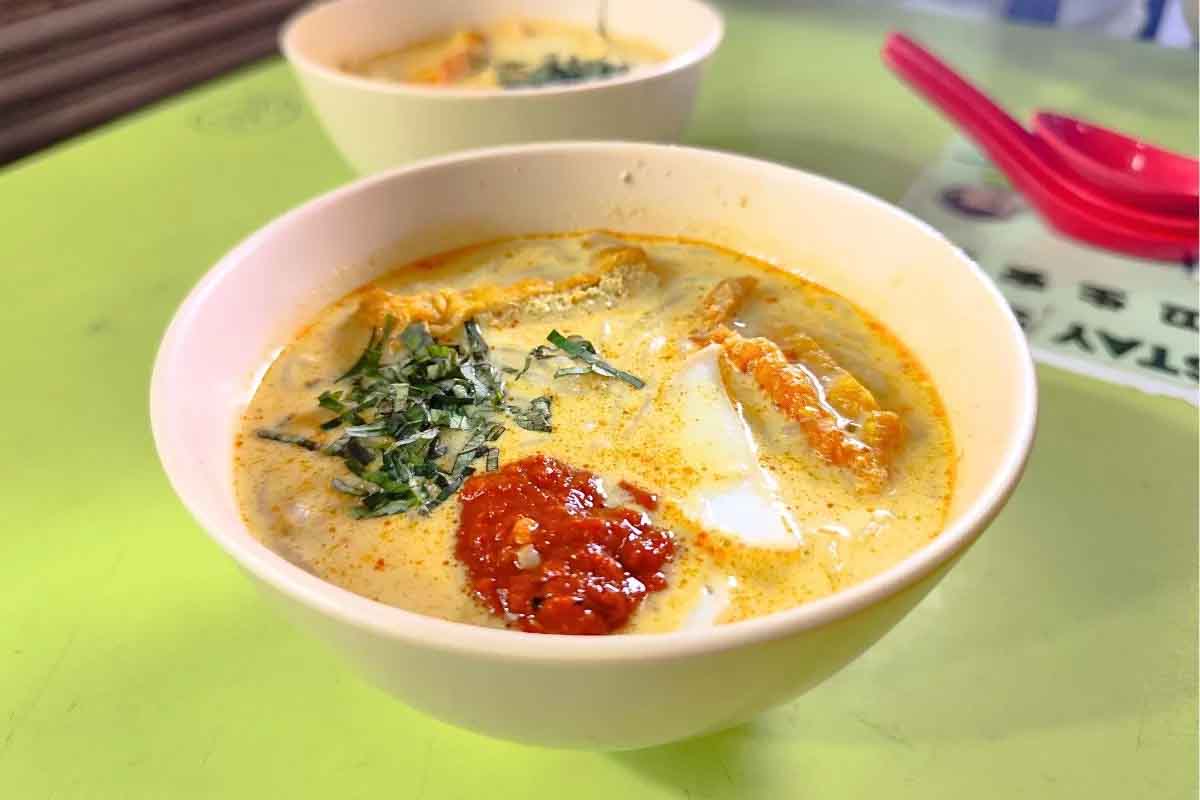
For S$4.50, the laksa portion was just right – it’s perfect for when you’re craving the dish but don’t feel like eating too much. I also learned from my chat with Bobby about how much work goes into one bowl, and it was truly eye-opening from a non-hawker point of view. The effort was reflected in the dish, filled with simple yet nostalgic flavour.
It is Bobby and Wendy’s wish for more people to know of their stall as it is surprisingly, still relatively unknown. While they have a loyal following with people travelling across the country for a taste, they don’t usually receive many customers.
My experience with The Asian Makanstall was a positive one, and there’s no doubt that I will be recommending this stall to my close ones.
People also read:
Is there another food stall at Chinatown Complex that we enjoy?