 Malaysia
 Singapore
 Thailand

Toa Payoh Lorong 8 Market & Hawker Centre is practically our second home — just a stone’s throw from the Sethlui.com office and a place the entire team knows like the back of our hands. So when a member of the renowned Hokkien Mee Hunting group had shared about HERNG 好吃 (translates to ‘very delicious’ in Mandarin), a newly-opened stall there, I knew I had to drag my colleague Dean to go check it out with me.
We both have similar tastes when it comes to Hokkien mee, gravitating towards those with a strong wok hei. Fun fact: Ah Jie Hokkien Mee remains one of our all-time favourites in Singapore (sorry, if you think otherwise).
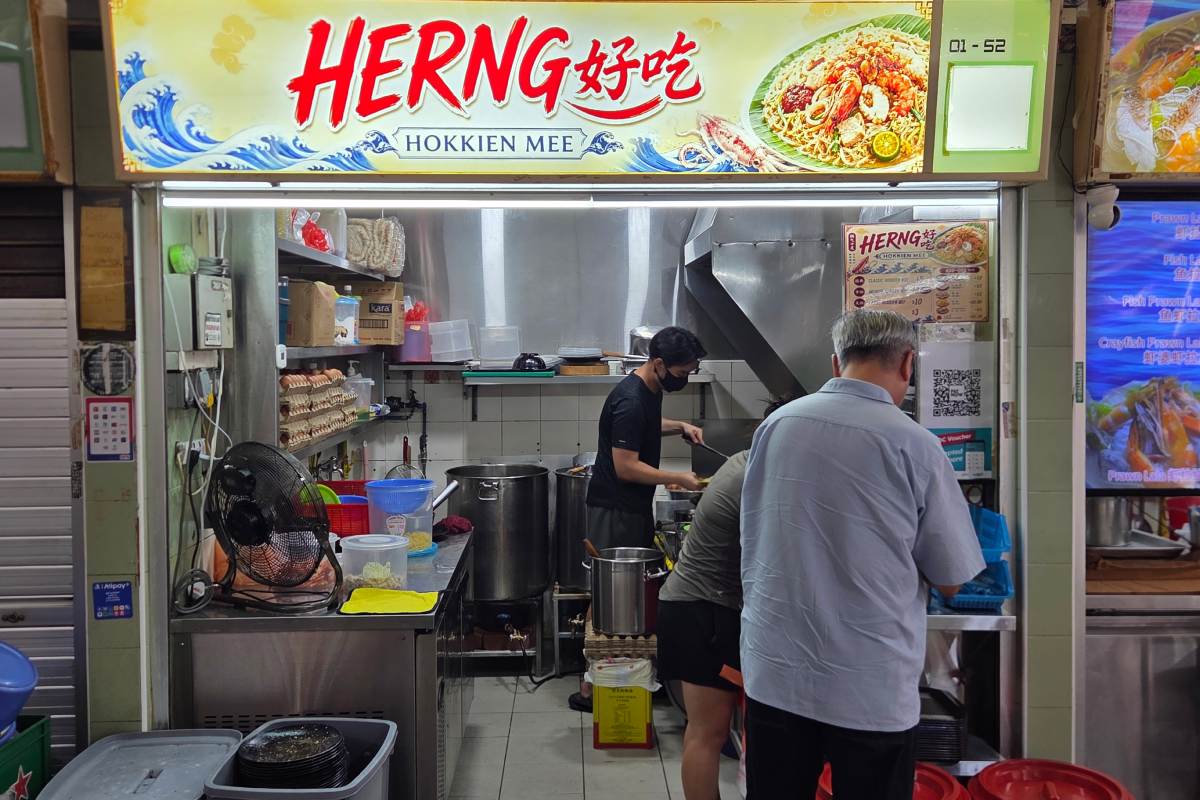
With no expectations, we headed down to see if the new kid on the block could hold its own. An interesting insight — Toa Payoh Lorong 8 Hawker Centre already has a few other Hokkien mee stalls, one of which happens to be frequented by our boss man. 28-year-old owner, Jing Herng, shared with us that they had taken over what used to be Serangoon Garden Fried Prawn Noodle— the elderly uncle has retired.
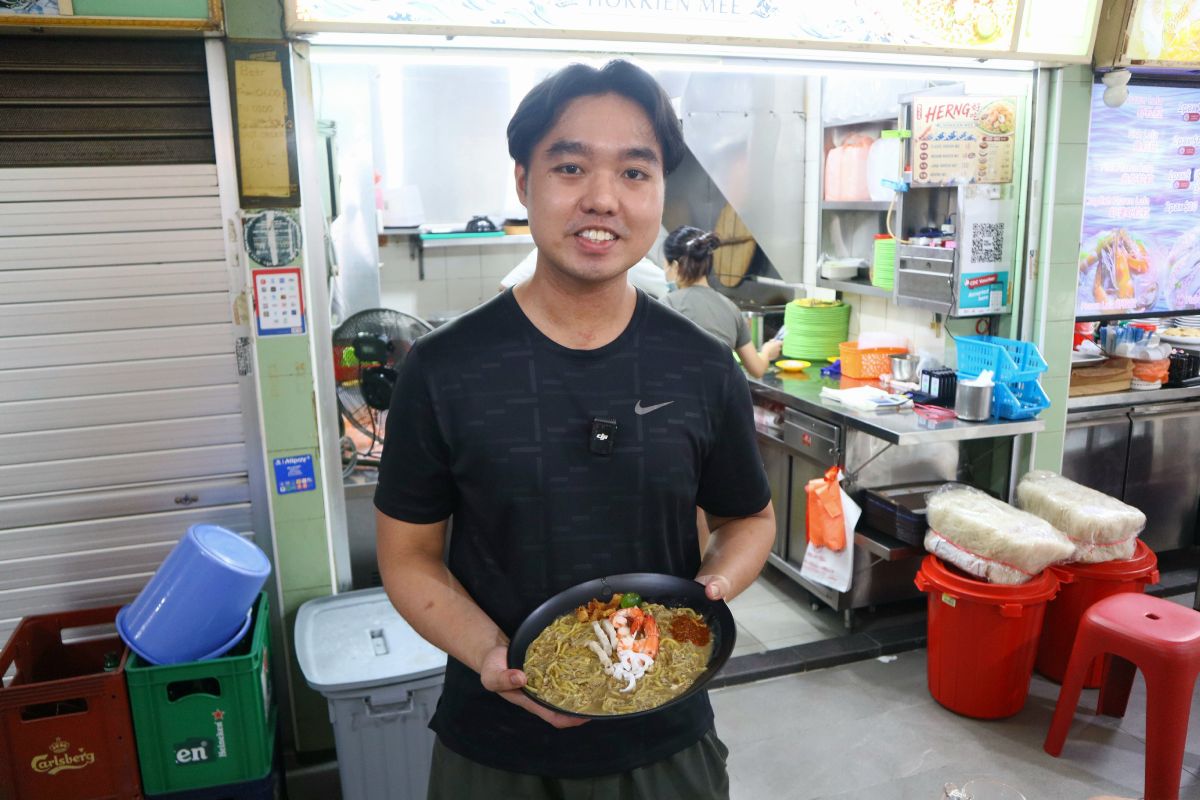
When asked why did he decide to open there, he replied, “I spent most of my childhood at this spot, and my mum and uncle also run 2 separate hawker stalls here.”
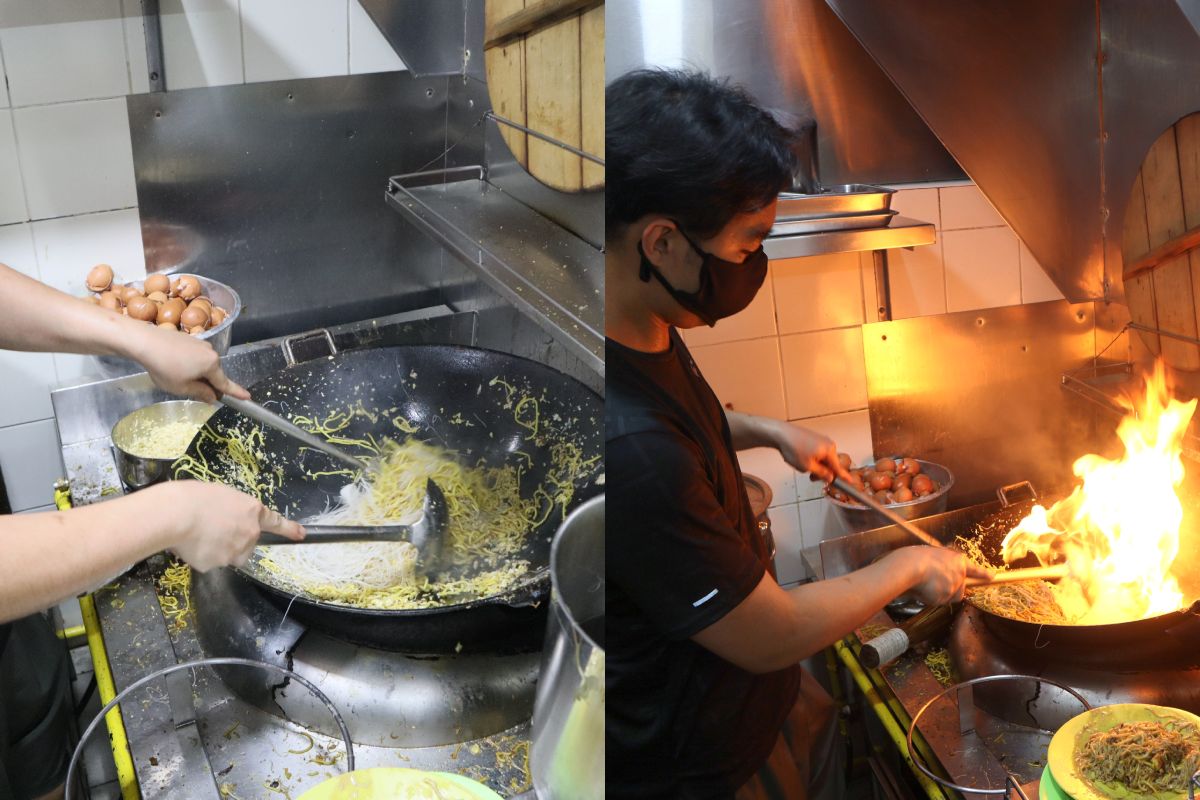
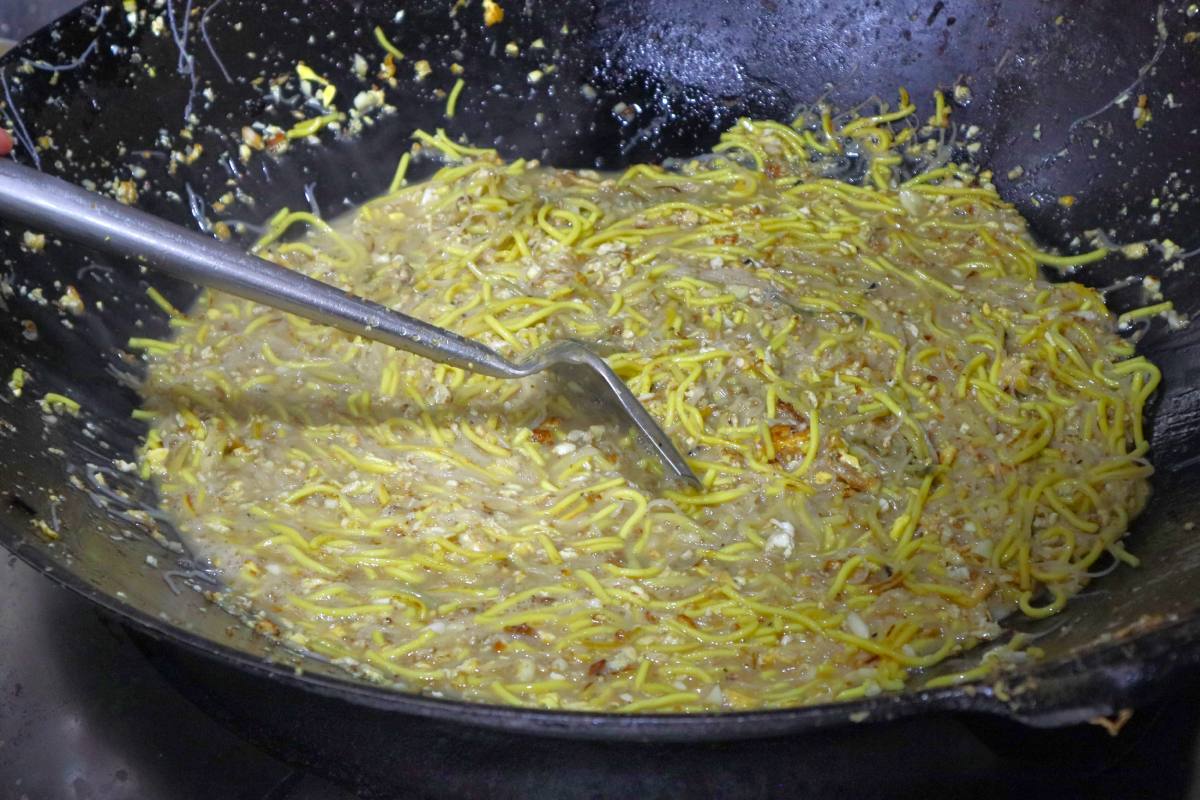
The menu here features 3 sizes — Classic (S$5), Medium (S$8), and Large (S$10). To cater to the elderly around the neighbourhood, Jing Herng has also added a wallet-friendly Kosong Mee (S$3) option.
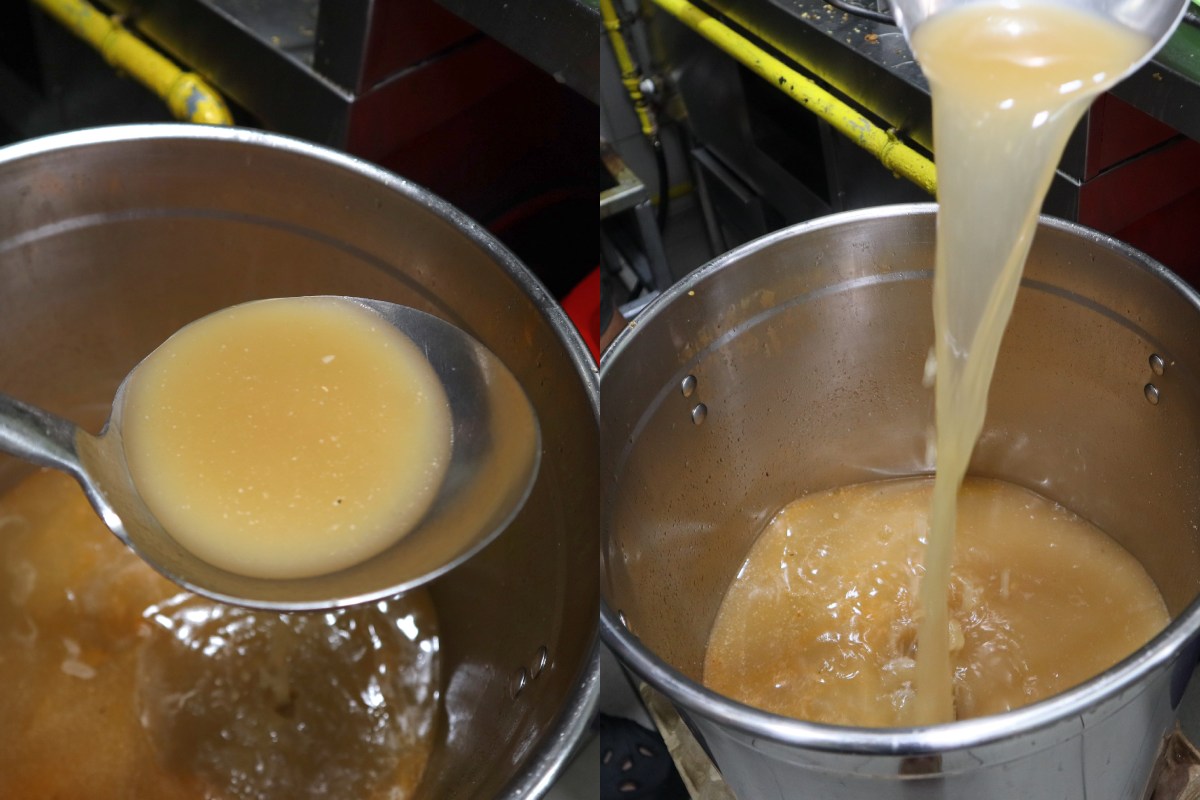
The prawn stock here is cooked for at least 6 hours. He had previously gained experience cooking this dish for about a year at another establishment.
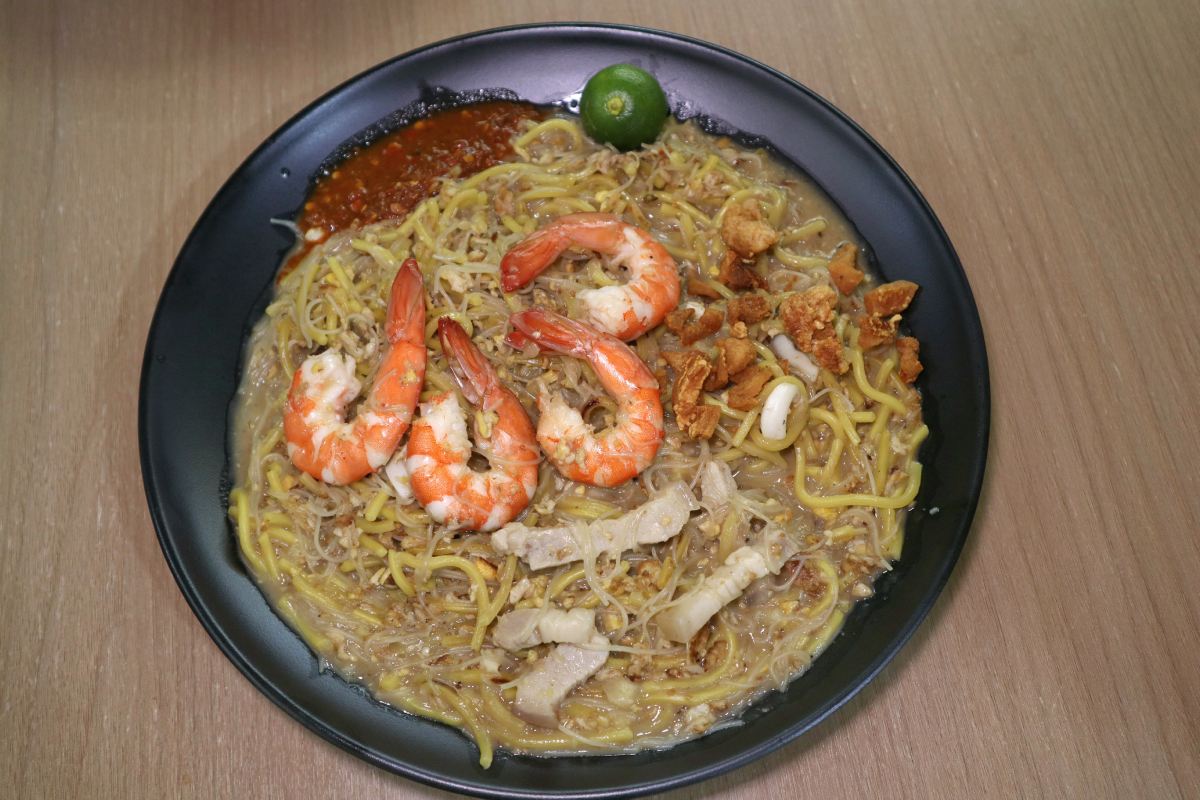
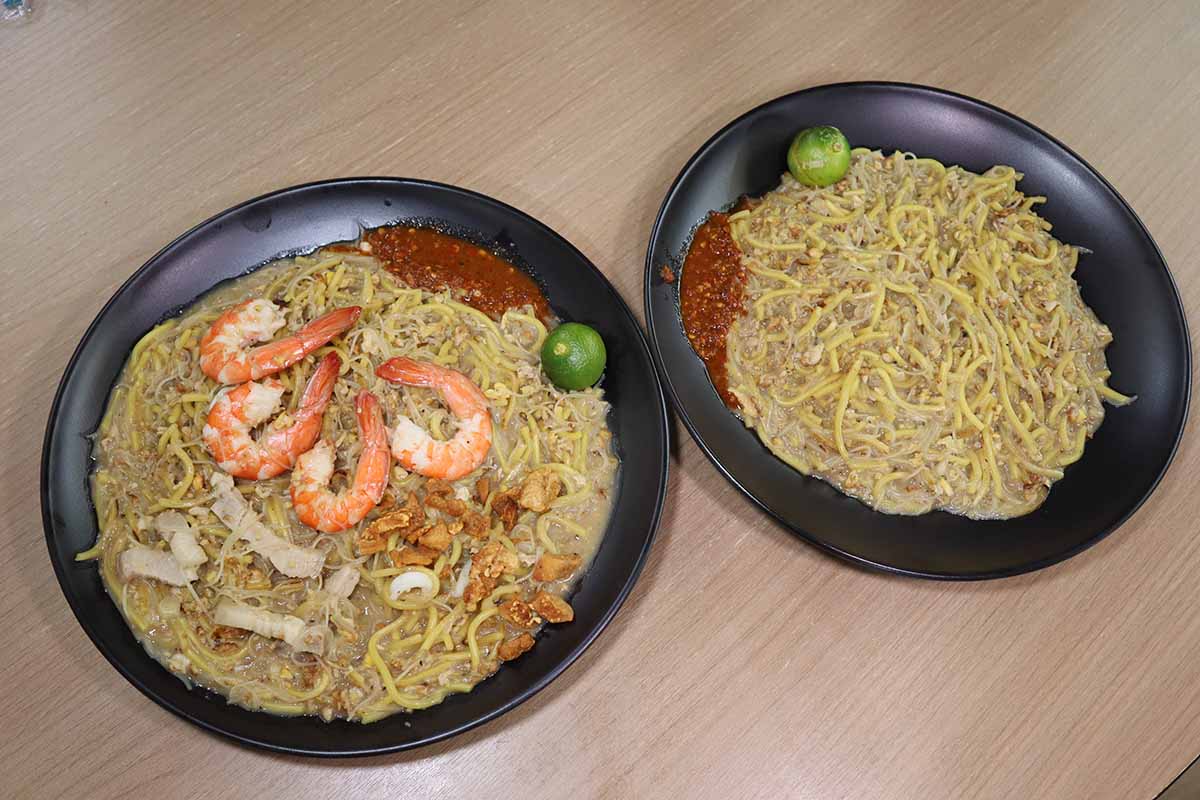
We began with the Medium that had the usual suspects — 4 decent-sized prawns, pork belly pieces, sotong, pork lard, sambal, and the ever-trusty calamansi.
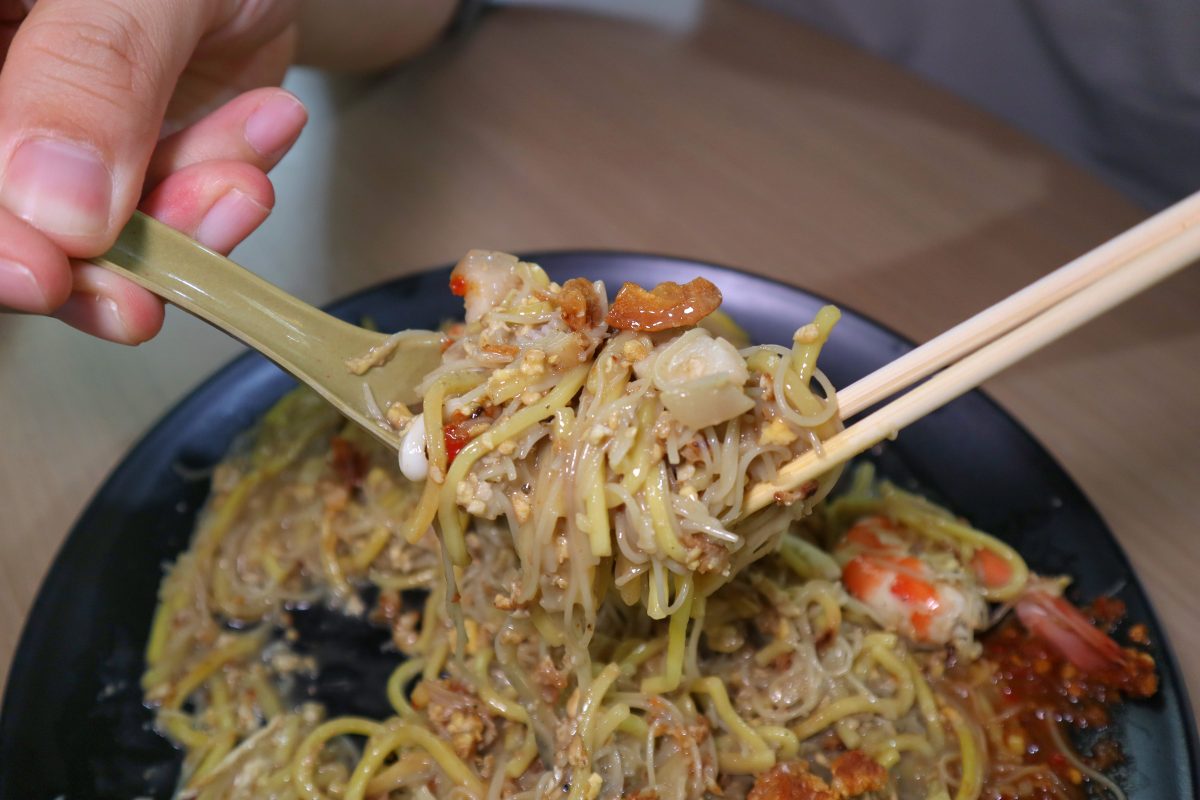
The consistency of the noodles at HERNG 好吃 sat comfortably in the middle — not too dry, yet not overly wet either. The wok hei was evident, but thankfully not so overpowering that it felt like taking a boxing glove to the face. The softness of the noodles was just right, but we felt that the gravy could do with a little more oomph and savouriness.
According to Jing Herng, he’s still fine-tuning the stock. Several elderly customers had commented that the Hokkien mee was a little too salty, prompting him to make adjustments to the recipe. Well, to each his own.
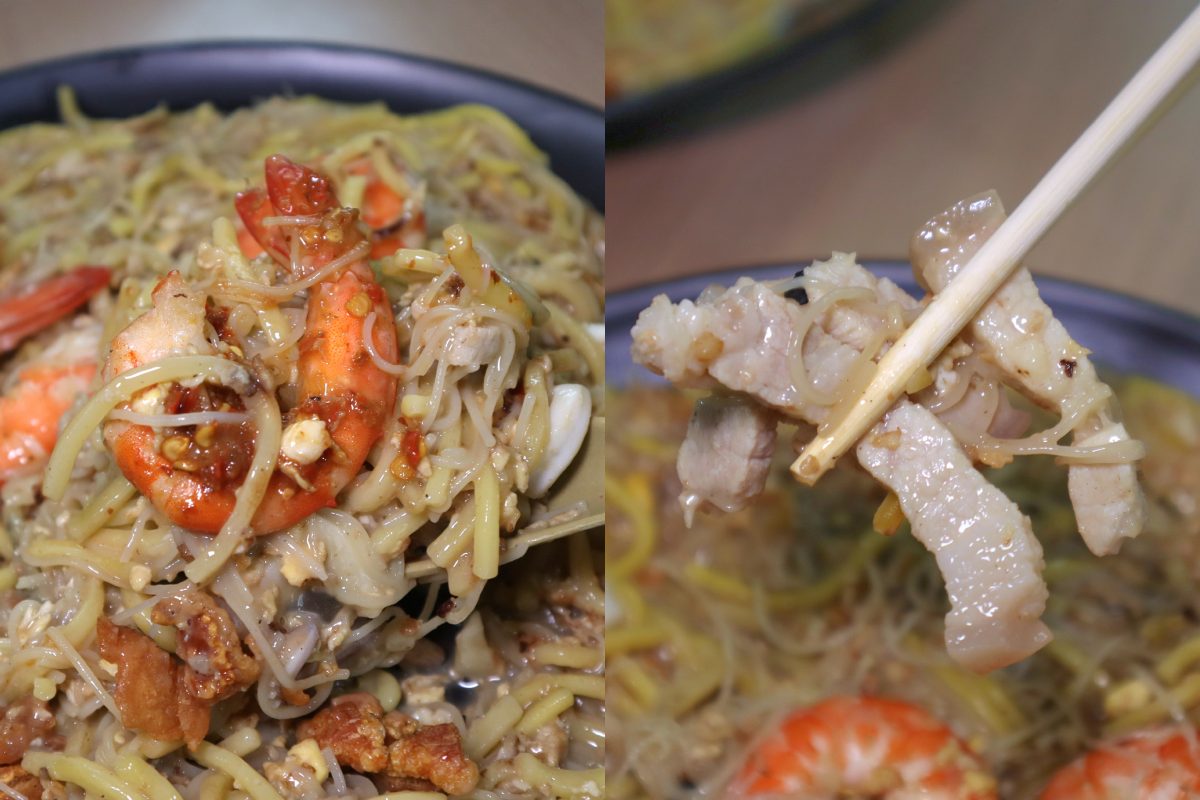
The prawns were fresh and plump while the sotong was cooked just right. Another thing that stood out was the pork belly, cut thicker and chunkier than what you’d typically find elsewhere — exactly the way it should be.
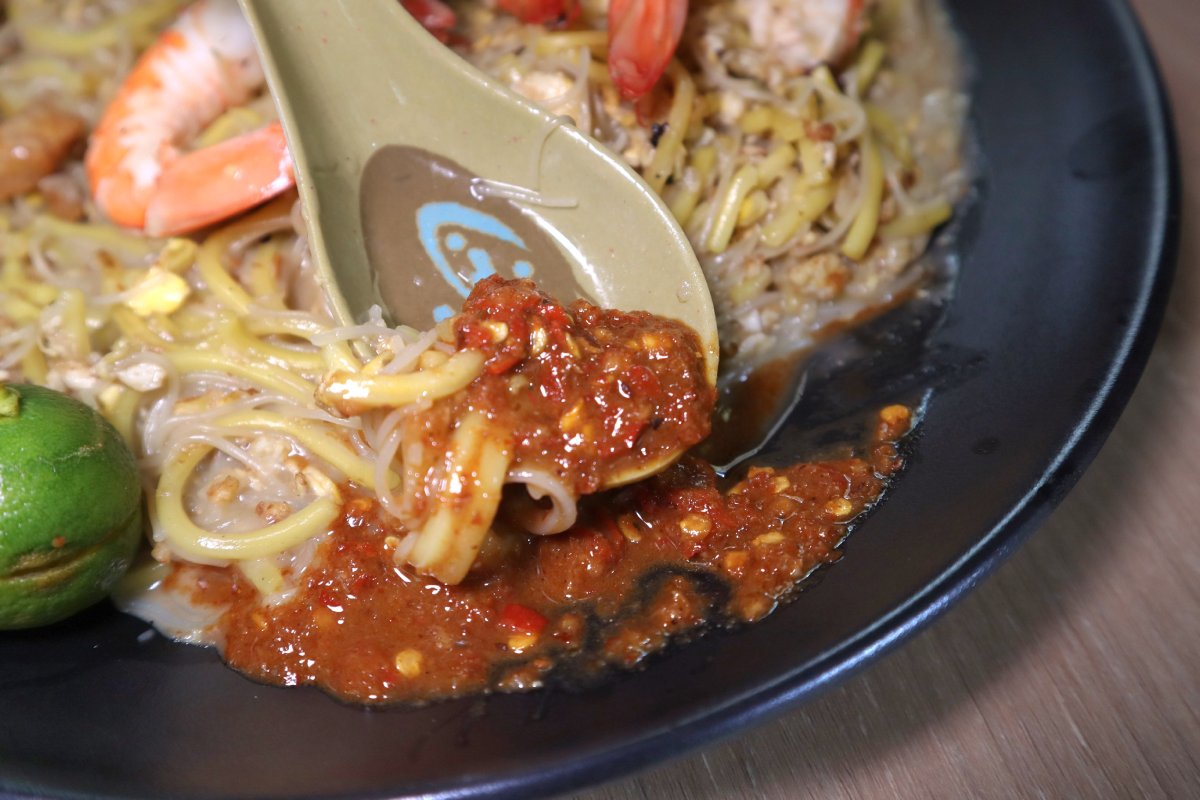
For those who can’t really take spice, handle the sambal with care. It packs a robust belachan flavour and turns up the heat without hesitation — I enjoyed ‘suffering’ from the burn, though.
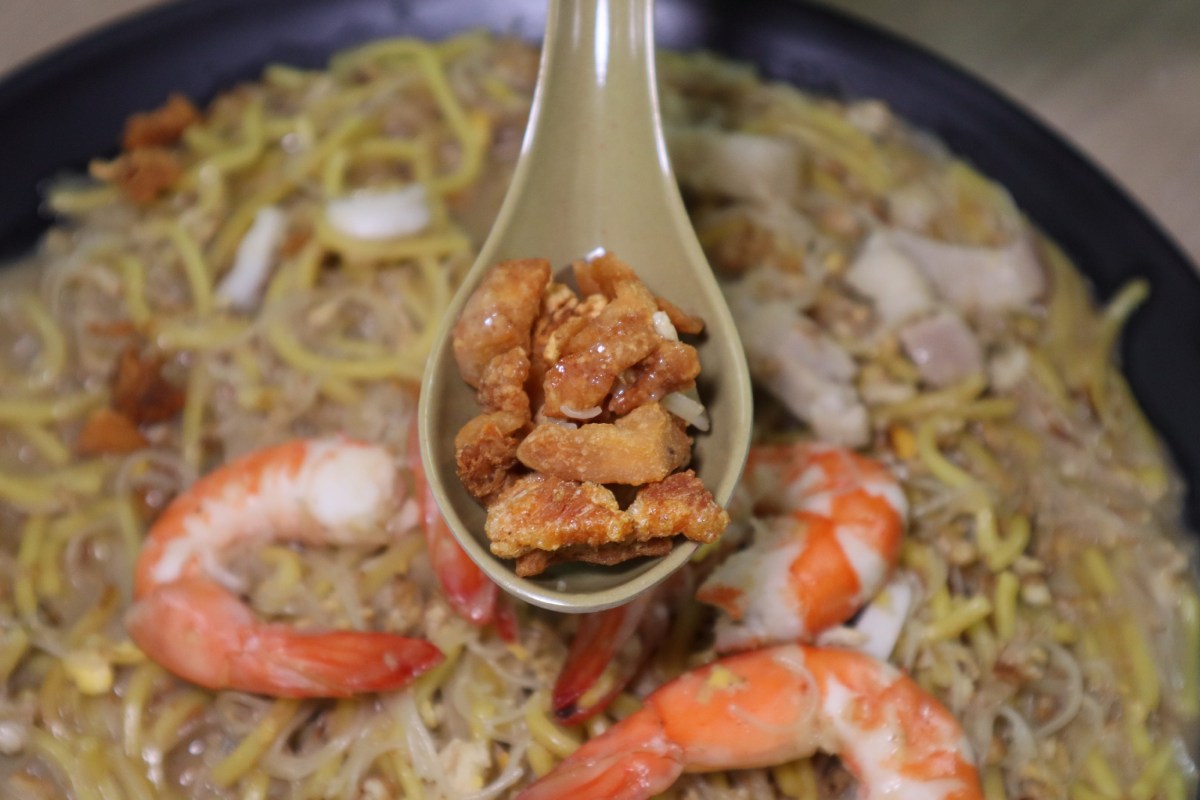
If I were to pinpoint one more area for improvement, it would be the slightly over-fried pork lard; which caused the otherwise sinful, unctuous morsels to lose a little of its charm. Fortunately, Jing Herng was aware that they had overdone them a little, so hopefully your experience will be much better.
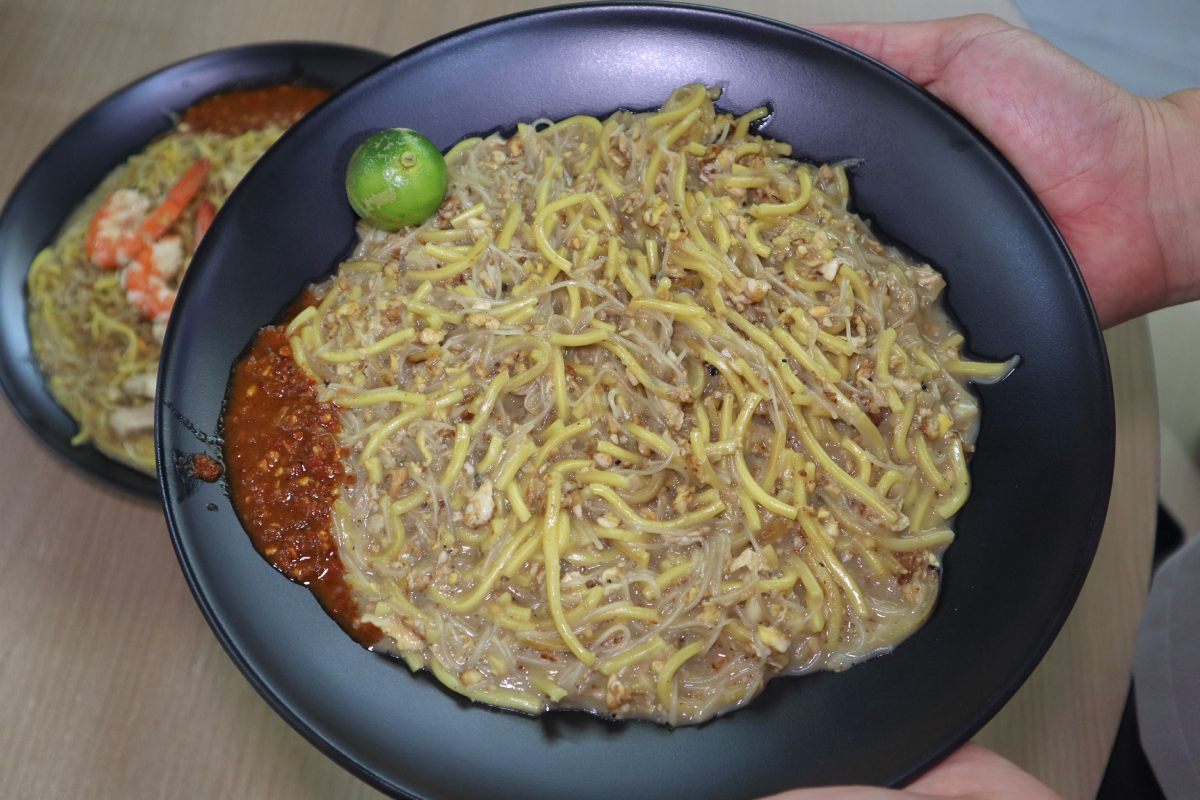
For S$3, I was slightly taken aback that the portion of the Kosong Mee was quite substantial — to be honest, I was expecting just half of its portion.
Do note that it just consists of the yellow mee-thin bee hoon combo together with garlic, egg, pork lard (upon request only), and broth.
After trying HERNG 好吃, it’s safe to say that I’ll be frequenting them in the near future. Who knows — this could very well end up being Seth’s new favourite Hokkien mee stall. We’ll see. Go give them a try if you’re around the area!
Netizens’ choice Hokkien mee showdown: Fung Yi Delights vs Chuan Fried Hokkien Prawn Mee